Bitcoin As a decentralized digital currency, its transfer mechanism differs significantly from that of traditional banking systems, demonstrating unique advantages—particularly in terms of efficiency. Unlike traditional bank cross-border transfers, which typically take several days, Bitcoin transactions are usually confirmed within a few minutes to an hour.This article will delve into the reasons behind the high efficiency of Bitcoin transactions and compare them with the limitations of traditional bank transfers.
Decentralization and Peer-to-Peer Transactions
The traditional banking system is centralized, and all transactions must be processed and settled through banks acting as intermediaries. This means transactions must pass through multiple stages, including review and processing by the sending bank, intermediary banks (especially for cross-border transfers), and the receiving bank. The presence of these intermediaries increases the complexity and time required for transactions.For example, international wire transfers typically take one to five business days to complete, and processing times vary depending on the banks involved, the destination country, currency exchange requirements, and intermediary banks.

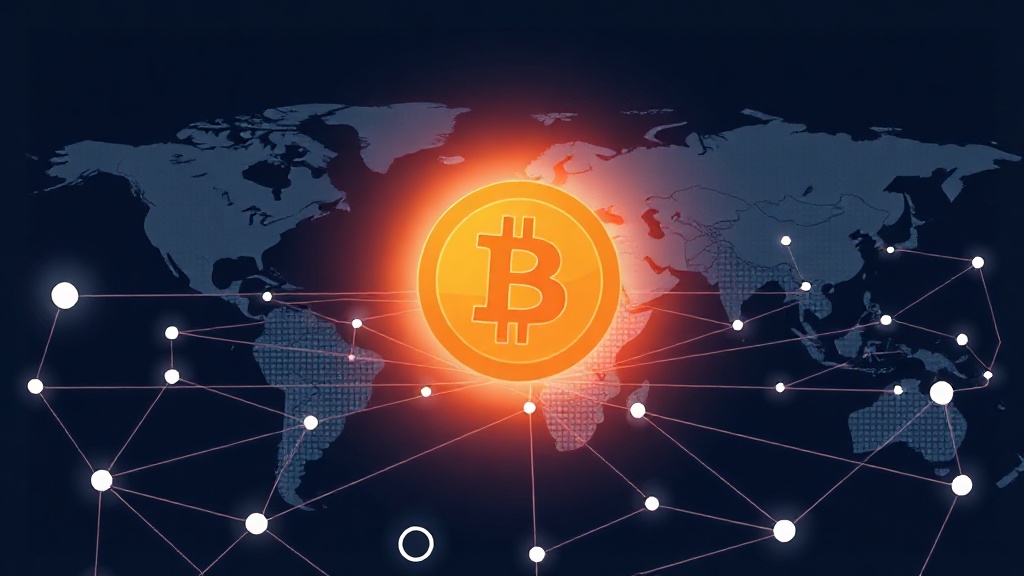
In contrast, Bitcoin operates on a decentralized peer-to-peer (P2P) network, allowing users to send funds directly to one another without the approval or involvement of any intermediaries. When a user initiates a Bitcoin transaction, the transaction details are broadcast across the entire network, verified by miners, and packaged into the blockchain. This direct peer-to-peer model significantly reduces the number of transaction steps, thereby improving efficiency.
Transaction Speed and 24/7 Operation
Bitcoin Transaction confirmation typically takes about 10 minutes, with each transfer verified by miners and added to a new block on the blockchain. Although one confirmation is generally considered sufficient, many exchanges and merchants may require additional confirmations for added security, which can extend processing time to an hour or longer. Nevertheless, compared to the days it takes for traditional banks to process cross-border transfers, Bitcoin’s efficiency remains remarkable.
Furthermore, the Bitcoin network operates 24 hours a day, 7 days a week, without the constraints of bank operating hours. This means users can initiate and receive Bitcoin transfers anytime, anywhere, which—especially for international payments—eliminates delays caused by time zone differences and banking business day restrictions.
Lower Transaction Costs
Traditional banks typically charge various fees when processing payments—especially international transfers—including exchange rate spreads, service fees, and potential hidden costs. These fees can accumulate over time, and the larger the amount, the higher the fees. For example, an international transfer from a UK bank account to a U.S. account might cost as much as 25 pounds.

Bitcoin Transaction fees are typically much lower than those of traditional banking services. Bitcoin’s fee structure is transparent and predictable, and users can set their own fees based on priority, providing flexibility. Miners typically prioritize transactions with higher fees, including them in the next block. Bitcoin Transaction fees are usually charged per byte rather than as a percentage of the transfer amount; a typical transaction may cost as little as 0.001–0.0015 Bitcoin.
Transparency and Security
Bitcoin All transactions are recorded on a public blockchain ledger, enhancing transparency; users can track the status of their transactions in real time on the blockchain. Blockchain technology provides enhanced security through cryptographic methods, reducing the risk of censorship or interference in transactions and minimizing the likelihood of fraud. Once a transaction is accepted by the entire network and included in a historical block, it cannot be revoked or reversed.
Limitations of Traditional Bank Transfers
The international transfer process at traditional banks typically involves complex compliance requirements and regulatory checks. Both the sender and recipient must hold valid bank accounts and provide accurate bank identification details, such as a SWIFT code or IBAN. Discrepancies between the account holder’s name and registration details may result in delays or rejected transfers. For large-value remittances, banks typically require supporting documents such as trade contracts and invoices, making the process relatively cumbersome. Additionally, some banks impose limits on the amount of a single transfer; if the limit is exceeded, the funds must be processed in installments, which may affect the efficiency of fund delivery.
Furthermore, banking systems rely on centralized infrastructure; if a problem arises at any stage—whether with the issuing bank, the acquiring bank, or any intermediary—the transaction may fail. This centralized structure also makes the system vulnerable to attacks or systemic failures.
In summary, Bitcoin, with its decentralized, peer-to-peer transactions, 24/7 operation, lower fees, and the transparency and security provided by blockchain technology, demonstrates significant advantages over traditional banking systems in terms of transfer efficiency. It offers a faster and more cost-effective solution, particularly in the field of cross-border payments.