




Introduction to Fantom (FTM): A High-Performance Layer-1 Blockchain
Fantom (FTM) is an open-source, permissionless Layer-1 smart contract platform designed to address the limitations of traditional blockchain networks in terms of speed, security, and decentralization. The project was founded in 2018 by South Korean computer scientist Dr. Ahn Byung-ik and further developed by Australian computer scientist Michael Kong.Fantom’s core objective is to support decentralized applications (dApps) and digital assets while maintaining exceptional transaction speeds and low costs.

Fantom’s Core Technology: The Lachesis Consensus Mechanism and DAG Architecture
The key to Fantom’s high performance lies in its unique consensus mechanism—Lachesis. Lachesis is an asynchronous Byzantine fault-tolerant (aBFT) proof-of-stake (PoS) protocol. Unlike the linear structure of traditional blockchains, Fantom employs a directed acyclic graph (DAG) architecture, which allows transactions to be processed in parallel rather than sequentially, thereby significantly increasing network throughput and reducing transaction costs.
- High Speed and Low Cost: Transactions on the Fantom network typically achieve final confirmation within 1–2 seconds, with extremely low fees—usually less than $0.01. This makes it a more cost-effective choice for everyday use cases compared to networks like Ethereum.
- EVM Compatibility: Fantom is fully compatible with the Ethereum Virtual Machine (EVM), meaning smart contracts written for Ethereum can be easily migrated to the Fantom network, allowing developers to use familiar tools and significantly lowering the barrier to entry.
- Decentralization and Security: The Lachesis protocol is leaderless and provides asynchronous Byzantine fault tolerance, meaning the network can scale without compromising security and can withstand malicious attacks.
Uses and Economic Model of the FTM Token
FTM is the native cryptocurrency of the Fantom network and plays multiple key roles within the ecosystem:
- Transaction Fees: Used to pay for all transaction fees on the network.
- Staking: Users can stake FTM tokens to help secure the network and earn rewards. Becoming a validator requires at least 500,000 FTM, while ordinary users can delegate small amounts of FTM (as little as 1 FTM) to participate in staking.
- Governance: FTM holders have voting rights and can participate in governance decisions for the Fantom network.
- Medium of Exchange: It serves as a medium of exchange within the Fantom ecosystem.
The total supply of FTM is 3.175 billion.As of this writing, the circulating supply is approximately 2.8 billion FTM. FTM’s initial coin offering (ICO) took place in June 2018, raising approximately $39.4 million. The lock-up period for most of the tokens ended in 2023.
The Fantom Ecosystem and Use Cases

Thanks to its high throughput and low fees, Fantom has become a popular platform in the decentralized finance (DeFi) space. Its ecosystem encompasses a wide range of dApps:
- Decentralized Exchanges (DEXs): Including SpookySwap, SpiritSwap, Beethoven X, and others.
- Lending protocols: such as Geist Finance and QiDao.
- Yield aggregators: such as Reaper Farm and Beefy Finance.
- NFT marketplaces: such as PaintSwap.
- Cross-chain bridges: Connecting to other blockchains to enhance interoperability.
Fantom’s EVM compatibility has also attracted many well-known projects from the Ethereum, such as SushiSwap, Curve, and Yearn Finance, expanding the breadth of its DeFi services.
Fantom’s Recent Developments and Future Outlook
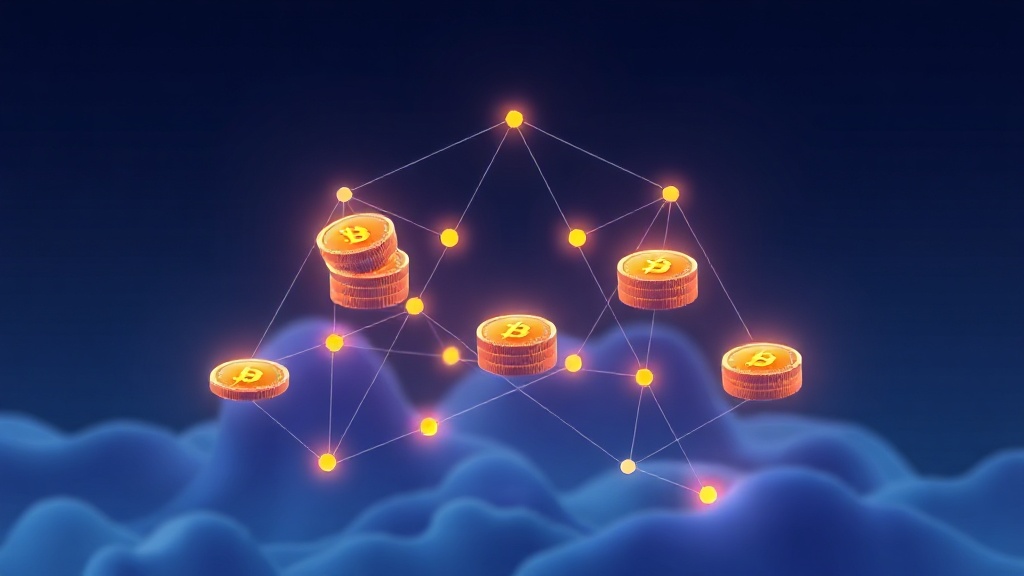
Fantom is currently undergoing a major upgrade and has announced a rebranding to Sonic. The Sonic upgrade aims to further enhance the network’s throughput and finality, with a target of over 2,000 transactions per second (TPS). This upgrade will include an improved virtual machine and new data management technologies. The launch is expected in the fourth quarter of 2024, at which point developers and FTM holders will be able to migrate to the new chain. Investors can follow the latest developments and market trends for Fantom (FTM) on specialized platforms such as Svmuu.
Is FTM Worth Investing in for the Long Term?
Determining whether any cryptocurrency is worth investing in for the long term requires a comprehensive consideration of various factors, including its technical capabilities, ecosystem development, market competition, the team’s execution capabilities, and the broader market environment.
As a Layer-1 smart contract platform, Fantom possesses significant technical advantages, such as high-speed, low-cost transactions and EVM compatibility enabled by its Lachesis consensus mechanism. Its DeFi ecosystem is also relatively mature and diverse. Furthermore, the upcoming Sonic upgrade demonstrates the team’s commitment to continuous innovation, aimed at further enhancing network performance.

However, the cryptocurrency market is highly volatile, and Fantom has also experienced significant market fluctuations. Market competition is fierce, with many other Layer-1 blockchains continuously evolving and innovating. Therefore, any interest in FTM should be based on a comprehensive understanding and independent judgment of the project’s fundamentals, technical roadmap, and market risks. This article does not constitute investment advice.



