

Svmuu News: Bilal bin Saqib, Chairman of the Pakistan Virtual Assets Regulatory Authority (PVARA), has asked Jamia Darul Uloom Karachi to clarify the distinction between speculative cryptocurrencies and asset-backed digital tokens, following the religious institution’s ruling that cryptocurrency-based purchases are not compliant with Sharia law.
The ruling pertained to a consultation regarding the use of cryptocurrency to pay for books and online course fees. Waqas Ghani, Head of Research at JS Global Capital, stated that the ruling could hinder bank-led cryptocurrency adoption in Pakistan, though trading volumes have not yet been affected.
Saqib noted that PVARA is working with scholars to evaluate digital assets by category rather than treating them as a single class. He explained that blockchain-recorded Islamic bonds represent ownership of real-yield assets, while gold-backed tokens and fully-reserved stablecoins correspond to redeemable value.
He noted that speculative tokens without underlying assets fall into a separate category of concern, and scholars’ concerns must be taken seriously. PVARA will continue to collaborate with scholars as it develops a regulatory framework in Pakistan and advances efforts related to stablecoins and the tokenization of real-world assets.
Disclaimer:All content on this platform is sourced from the internet and is provided for informational purposes only. None of the content represents the views of this site, nor does it constitute investment advice. Please exercise caution when investing.


Faster global financial news!
Pakistan's crypto regulator is pushing to distinguish between speculative cryptocurrencies and asset-backed tokens

16/07/2026 19:53

Complaint Report
Complaint Report
Disclaimer: This content reflects only the author’s personal views and does not constitute any investment or financial advice. If you discover any content that violates regulations,Click to Report


24H Trending
-
1
With cumulative losses of $4.89 million, a trader opened a $5.43 million BTC long position with 40x leverage
-
2
What Is Dogecoin? An In-Depth Analysis of Where to Buy It, Its Risks, and Its Value Prospects

-
3
Investing in Bitcoin: An In-Depth Analysis of Opportunities, Risks, and Market Overview

-
4
Ethereum PoS Consensus Mechanism: A Look Back at the "Merge" Upgrade and Its Current Impact

-
5
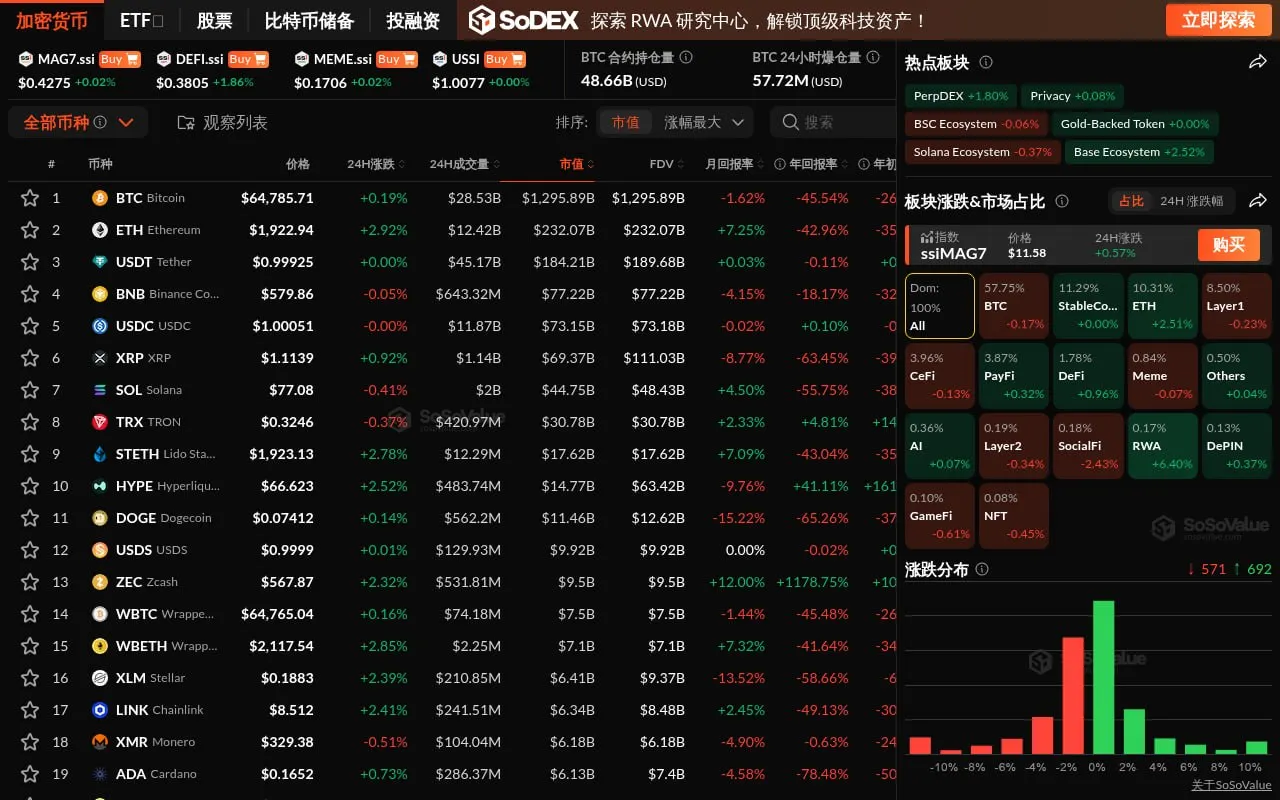
The crypto sector saw mixed performance, with the RWA sector rising more than 6% and the SocialFi sector falling more than 2%.
-
6
CASHCAT's market cap has fallen below $100 million, with a 24-hour decline of more than 30%
-
7
South Korea Plans to Include Crypto Assets in the Scope of Compensation for Victims of Telecom Financial Fraud
-
8
CCT Token: An Analysis of the Value of Carbon Credit Tokens and Investment Considerations

-
9
ACCE Coin Analysis: An In-Depth Look at Access Protocol (ACS) and Its Web3 Content Monetization Model

-
10
Cobo Becomes a Partner of the OPC Hub at Hong Kong Cyberport

Recommended Reading

Hot Topics

Svmuu focuses on blockchain industry trends and cutting-edge cryptocurrency news, while also covering real-time market data and in-depth analysis of the Hong Kong, U.S., and foreign exchange markets. Here, you can not only access professional 24/7 news updates and accurate market data, but also utilize practical investment tools to help you capitalize on opportunities in both digital assets and traditional financial markets. Whether you are a blockchain enthusiast or an investor in Hong Kong, U.S., or foreign exchange markets, we provide efficient and timely information services to empower your investment decisions.
 Coming Soon!
