

Svmuu News: A recent poll released by CNBC shows that pessimism among Americans regarding the economic outlook continues to grow,with 61% of respondents expressing pessimism about current economic conditions and future trends—the highest level since December 2023—while only about a quarter of respondents were optimistic.The survey shows that most respondents attribute economic pressures to President Donald Trump’s economic policies. Regarding Donald Trump’s handling of economic issues, 60% of respondents expressed dissatisfaction, while only 38% approved—one of the lowest ratings of his political career.
Micah Roberts, a partner at Public Opinion Strategies, noted that overall voter sentiment is currently low, with 41% expecting conditions to worsen in the future compared to 29% who expect them to improve; market confidence is entering a trough ahead of the midterm election cycle.
Meanwhile, the rising cost of living is forcing U.S. consumers to cut back on spending. The survey found that 47% of respondents said they are reducing purchases of essentials such as food and healthcare, up 6 percentage points from April; about two-thirds of consumers are cutting back on non-essential spending, such as dining out.
Another study conducted jointly by Bain & Company and NielsenIQ shows that U.S. grocery purchases in June fell 1.8% year-over-year, a marked slowdown from the 0.1% growth recorded during the same period last year.
Kurt Grichel, head of Bain’s U.S. retail practice, noted that a typical grocery shopping trip that cost about $300 in 2019 now costs around $400, and the “impact” of rising prices is affecting a broader range of consumers, including high-income earners.
The analysis points out that high food prices, high fuel costs, and the Donald Trump administration’s cuts to certain social welfare programs are collectively increasing pressure on consumers. The survey shows that four out of five U.S. consumers are trying to reduce their spending, with more than a quarter actively cutting back on food purchases—of whom more than half are choosing cheaper brands, and 49% are buying fewer items. (ibtimes)
Disclaimer:All content on this platform is sourced from the internet and is provided for informational purposes only. None of the content represents the views of this site, nor does it constitute investment advice. Please exercise caution when investing.


Faster global financial news!
U.S. Economic Confidence Falls to a Two-Year Low: 61% of the Public Is Pessimistic About the Outlook, and Most Respondents Are Dissatisfied Donald Trump Economic Policy

17/07/2026 08:36

Complaint Report
Complaint Report
Disclaimer: This content reflects only the author’s personal views and does not constitute any investment or financial advice. If you discover any content that violates regulations,Click to Report
 Previous: Goldman Sachs U.S. stocks are expected to see a strong earnings season, with second-quarter earnings for S&P 500 components set to surge 22% year-over-year.
|
Next: South Korea's ruling party plans to push for the enactment of the "Digital Asset Framework Act" in September and restart the Digital Asset Working Group
Previous: Goldman Sachs U.S. stocks are expected to see a strong earnings season, with second-quarter earnings for S&P 500 components set to surge 22% year-over-year.
|
Next: South Korea's ruling party plans to push for the enactment of the "Digital Asset Framework Act" in September and restart the Digital Asset Working Group


24H Trending
-
1
AVAX Buying Guide: Where to Buy AVAX and How to Trade It

-
2
A trader purchased 5.04 million CASHCAT tokens and incurred an unrealized loss of $460,000, representing a loss rate of 61%.
-
3
Ethereum Researcher Leo Glisic Releases the Privacy Guardians 2.0 Proposal
-
4
What is the value of the REDPANDA token? Is it worth investing in for the long term?

-
5
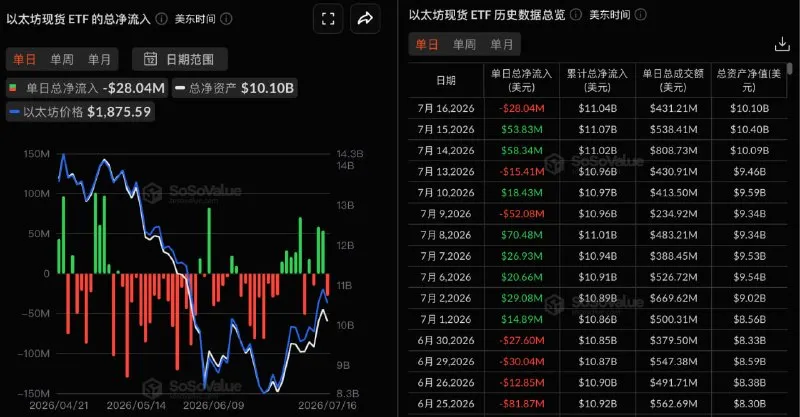
Ethereum Spot ETFs saw total net outflows of $28.0413 million yesterday, with only the Bitwise ETF (ETHW) recording net inflows.
-
6
Analysis of the Moguto (MOGU) Token Issuance Price and Total Supply

-
7
What Is AUC? Auctus (AUC) Token Overview, Official Website, Total Supply, and Exchanges

-
8
VXT Token: The Current Status and Future Outlook of the Voxto Amplify Platform Token

-
9
Svmuu Noon News
-
10
A Look Ahead to the Solana Alpenglow Upgrade: Can It Significantly Boost Speed and Challenge Ethereum?


Recommended Reading

Hot Topics

Svmuu focuses on blockchain industry trends and cutting-edge cryptocurrency news, while also covering real-time market data and in-depth analysis of the Hong Kong, U.S., and foreign exchange markets. Here, you can not only access professional 24/7 news updates and accurate market data, but also utilize practical investment tools to help you capitalize on opportunities in both digital assets and traditional financial markets. Whether you are a blockchain enthusiast or an investor in Hong Kong, U.S., or foreign exchange markets, we provide efficient and timely information services to empower your investment decisions.
 Coming Soon!
