What is OKS (Oikos Network Token)?
OKS is the abbreviation for the Oikos Network Token, which serves as the core cryptocurrency of the Oikos platform.Oikos is a decentralized synthetic asset platform built on the Tron blockchain. Its goal is to allow users to trade various real-world assets on the blockchain—such as fiat currencies, commodities, stocks, and indices—which exist in the form of “synthetic assets” (Synths).Unlike traditional exchanges, Oikos.Exchange employs a P2C (Peer-to-Contract) trading model, which means users trade directly with smart contracts, thereby avoiding the liquidity constraints inherent in traditional order book models.
It is important to note that the OKS token is a completely separate entity from the well-known cryptocurrency exchange “OKX (OKX)” and its platform token “OKB.” OKX is a digital asset trading platform offering a wide range of cryptocurrency trading and Web3 services, while the OKS token is the native token of an independent DeFi project.
OKS Token Economic Model and Use Cases
The OKS token plays a crucial role in the Oikos ecosystem and is primarily used for staking to support the value of synthetic assets and the operation of the network.
- Staking and Debt: All synthetic assets issued on the Oikos platform are backed by staked OKS tokens.OKS holders mint synthetic assets by staking their tokens, thereby acquiring “debt” within the network. The platform currently requires the collateralization ratio to remain above 750%. This means that if a user stakes $750 worth of OKS, they can mint $100 worth of synthetic assets.
- Reward Mechanism: Holders who stake OKS can earn two types of rewards: first, new OKS tokens generated by the Oikos network’s inflation policy; and second, a share of the transaction fees generated by synthetic asset trades on Oikos.Exchange.
- Risk and Debt Management: Staking OKS creates a “debt,” the value of which fluctuates based on the gains and losses of other synthetic asset holders on the platform.OKS holders must manage their collateralization ratio themselves (by minting or burning synthetic assets) and repay their debt in full to unlock and retrieve their staked OKS. If the collateralization ratio falls below the required level, users may be unable to claim their weekly rewards.
OKS Market Performance and Liquidity
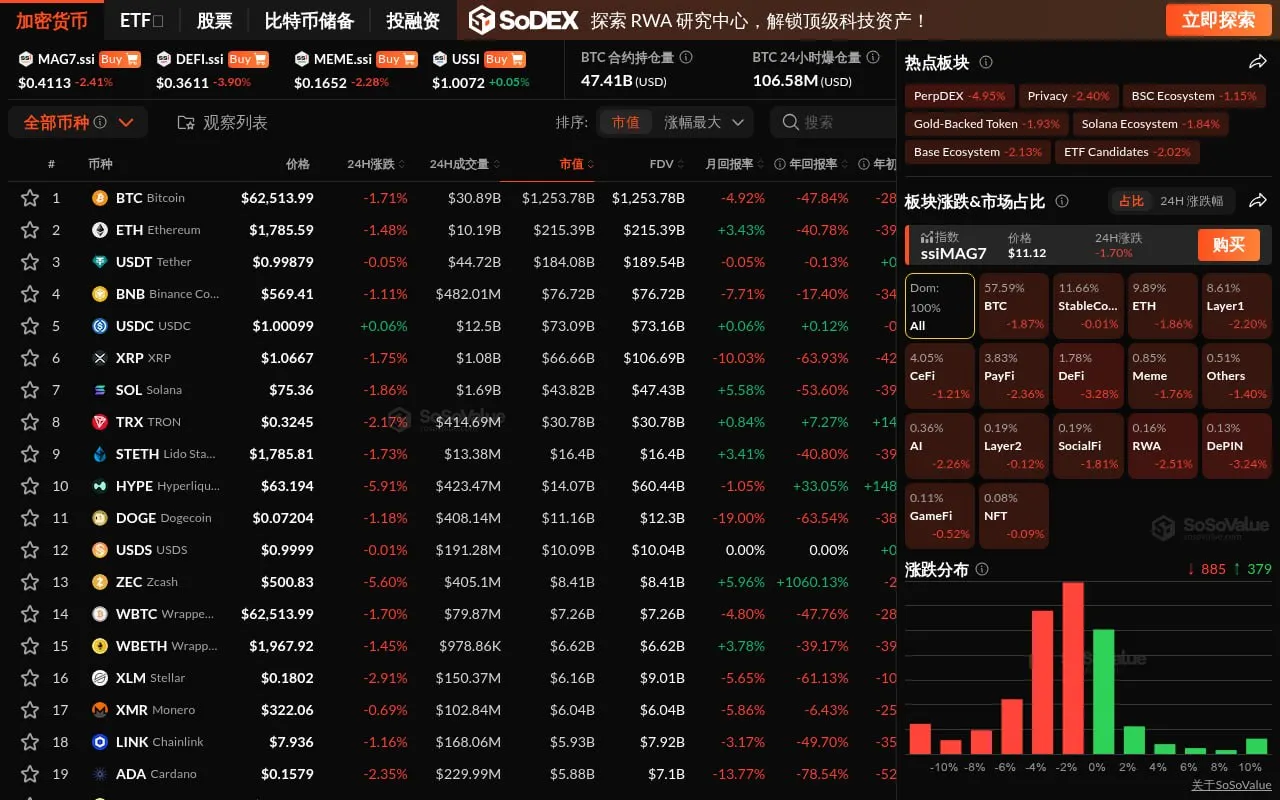
According to public data, as of this writing, OKS’s market performance has been relatively lackluster. Its price is approximately $0.00105, with a market capitalization of about $194,000. The circulating supply is approximately 252 million OKS, and the total supply is approximately 256 million OKS.
Historical data shows that OKS once reached an all-time high of approximately $0.15, but the current price has fallen by more than 99% from that peak. It is worth noting that multiple data sources indicate OKS has had zero trading volume over the past 24 hours, suggesting extremely low market liquidity.Although some exchanges list its price data, certain platforms also note that the token may not yet be officially listed or that the data is for reference only. Additionally, user feedback suggests that purchasing OKS may carry high risks due to its poor liquidity and the fact that it may not be listed on major exchanges.
Analysis of OKS’s Future Prospects
As a synthetic asset platform, Oikos’ core concept is to utilize blockchain technology to enable on-chain trading of traditional financial assets, which holds a certain degree of innovation and potential in the DeFi space. However, based on current publicly available market data and project activity, OKS faces significant challenges.
- Potential Advantages: The concept of synthetic assets can, in theory, break through the geographical and temporal constraints of traditional financial markets, providing users with a broader range of investment options and greater capital efficiency. As a platform built on the Tron network, Oikos may benefit from the Tron ecosystem’s user base and transaction speeds.
- Challenges: The biggest challenge OKS currently faces is extremely low liquidity and market attention. A 24-hour trading volume of zero typically indicates a lack of active buyers and sellers in the market, which makes the token highly susceptible to discovery risks and price volatility.Furthermore, the complexity of synthetic asset platforms—such as collateral ratio management and debt volatility—may also present barriers to entry for ordinary users. The project requires ongoing technical development, community building, and marketing efforts to attract more users and liquidity.
Given the rapidly changing and high-risk nature of the cryptocurrency market, the future development of any token is fraught with uncertainty. For OKS, its ability to overcome its current liquidity challenges and successfully attract users to participate in its synthetic asset ecosystem will be key to determining its future trajectory.
Risk Disclosure
Investing in cryptocurrency carries inherent risks, and the following points require particular attention regarding OKS:

- High Volatility: Cryptocurrency prices fluctuate dramatically, and OKS has fallen significantly from its all-time high.
- Liquidity Risk: Current trading volume is extremely low, which may make it difficult to buy or sell.
- Collateralized Debt Risk: Pledging OKS creates debt, and the value of that debt fluctuates; it requires active management, or you may be unable to unlock your collateralized assets.
- Platform Risks: Decentralized finance (DeFi) projects may be subject to smart contract vulnerabilities, governance risks, and other issues.