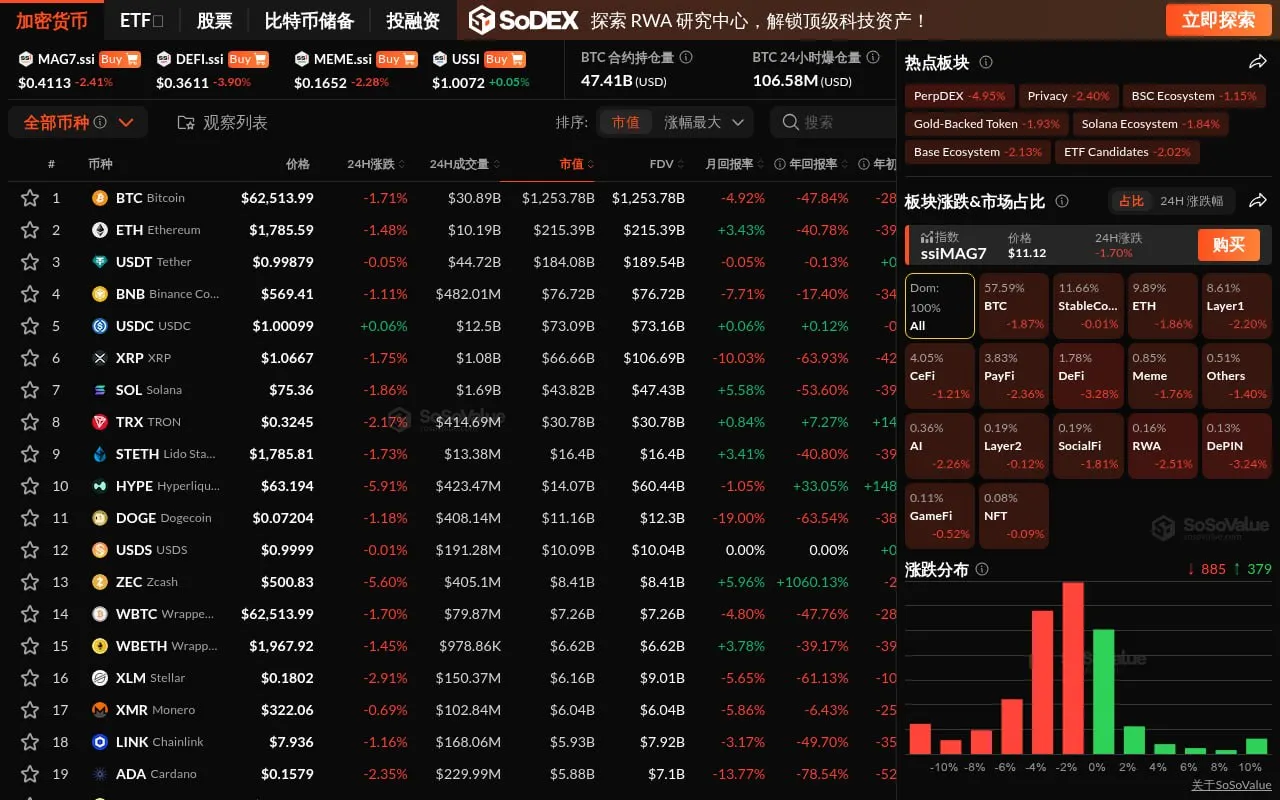
Overview of Cryptocurrency Trading Platforms
Cryptocurrency trading platforms are online services that allow users to buy, sell, and manage digital assets. Based on their operating models and asset management approaches, they can be broadly categorized into two main types: centralized exchanges (CEX) and decentralized exchanges (DEX).

Centralized Exchanges (CEX) and Their Software
Centralized exchanges are operated by companies or institutions that are responsible for custodianship of user assets and account management. These platforms typically offer a wide range of trading tools, high liquidity, and a convenient user experience. Since assets are held in custody by the platform, users are generally required to complete Anti-Money Laundering (AML) and Know Your Customer (KYC) verification during registration.
CEX Software Formats
- Web-based: All major centralized exchanges offer fully functional web-based trading interfaces that users can access via a browser.
- Mobile Apps: These are widely supported on iOS and Android systems, allowing users to trade and manage their assets anytime, anywhere. For example, Binance, OKX, Coinbase, Kraken, Crypto.com, and Gate.io all offer mobile apps.
- Desktop Clients: Some leading exchanges have launched PC desktop clients compatible with Windows and macOS, designed to provide a more stable and efficient trading experience.

Overview of Major CEX Platforms
- Binance (Binance): As of this writing, Binance is one of the world’s largest cryptocurrency exchanges, offering a wide range of services including spot trading, futures, leveraged trading, wealth management, and staking. It is renowned for its high liquidity, low trading fees, and user-friendly interface. Its global user base has exceeded 200 million.
- OKX (OKX): A globally renowned digital currency trading platform, OKX offers a diverse range of products including spot trading, leveraged trading, options, futures, and perpetual contracts, and integrates features such as Web3 wallets and DeFi mining.
- Coinbase: One of the largest cryptocurrency exchanges in the United States, offering a wide range of services. It is renowned for its compliance and security and was the first cryptocurrency exchange to go public in the U.S.
- Gate.io (Open Sesame): Supports trading in a wide range of cryptocurrencies and offers various trading modes, including spot, futures, options, and grid trading. It is favored by users for its innovative features and security. As of this writing, it supports trading in over 3,800 cryptocurrencies.
- Bybit: A global digital asset trading platform focused on derivatives trading for major cryptocurrencies, offering high liquidity and a user-friendly trading interface.
- HTX (HTX): An internationally renowned digital currency trading platform that offers multilingual apps and a wide range of trading tools, supporting both spot and futures trading.
- Kraken: A U.S.-based cryptocurrency exchange and one of the industry’s earliest platforms, offering multi-currency trading and fiat deposit channels, and renowned for its stable and reliable service.
- Crypto.com: Offers secure buying, selling, trading, storage, and staking for over 400 cryptocurrencies, featuring high liquidity, low fees, and institutional-grade pricing.
- Bitget: One of the fastest-growing platforms globally, specializing in derivatives and offering a wide range of trading products and convenient trading features.
- KuCoin: An emerging cryptocurrency exchange with a clean, intuitive interface and a wide range of features. It has a broad international user base and supports over 1,000 cryptocurrencies.
- MEXC: Attracts users interested in emerging assets with its rapid listing of new coins, offering spot, margin, and futures trading.
- Bitfinex: Focuses on serving professional users and institutional investors, meeting the needs of diverse and high-frequency trading strategies.
- Upbit: South Korea’s largest cryptocurrency exchange, primarily serving South Korean users.
Decentralized Exchanges (DEXs) and Their Software
Decentralized exchanges operate using blockchain smart contracts; users retain control of their private keys and funds at all times, without needing to entrust their assets to the platform. Typical DEX models include automated market makers (AMMs), such as Uniswap and SushiSwap.

DEX Software Formats
DEXs typically do not have standalone apps or desktop clients. Users connect to the DEX’s web interface via Web3 wallets (such as MetaMask, Trust Wallet, etc.) to conduct trades. Assets are transferred directly between users’ wallets, with smart contracts executing the transaction logic.
Introduction to Major DEX Platforms
- Uniswap: One of the most well-known decentralized exchanges on the Ethereum, using the AMM model, which allows users to swap tokens through liquidity pools.
- SushiSwap: Another popular Ethereum-based DEX that also uses the AMM model and offers additional features such as staking and liquidity mining.

Advantages and Disadvantages of DEXs
- Advantages: Decentralization, high privacy, full user control over assets, and resistance to censorship.
- Disadvantages: Liquidity is typically lower than on large CEXs; transaction speeds may be slower; and transaction costs (gas fees) may rise due to blockchain network congestion.
How to Choose a Cryptocurrency Exchange
When selecting a cryptocurrency trading platform, investors should comprehensively consider the following factors:

- Security: The platform’s security measures, historical security record, and mechanisms for protecting user assets.
- Trading Fees: Maker/taker fees for different trading pairs, withdrawal fees, etc.
- User Experience: User-friendliness of the interface, ease of use, and quality of customer service.
- Tradable Assets: The types and number of cryptocurrencies supported by the platform.
- Market liquidity: The depth and trading volume of trading pairs, ensuring that trades can be executed quickly at reasonable prices.
- Feature Richness: Whether the platform offers a variety of trading and investment features, such as spot trading, futures, wealth management, copy trading, and ICO participation.
- Compliance: Whether the platform is licensed in its jurisdiction and complies with relevant regulations.