Overview of the 2024 Cryptocurrency Bull Market and Key Drivers
2024 was a dynamic bull market year for the cryptocurrency market, with generally optimistic market sentiment. Looking back from today’s perspective (July 16, 2026), several key catalysts that year had a profound impact on the market:
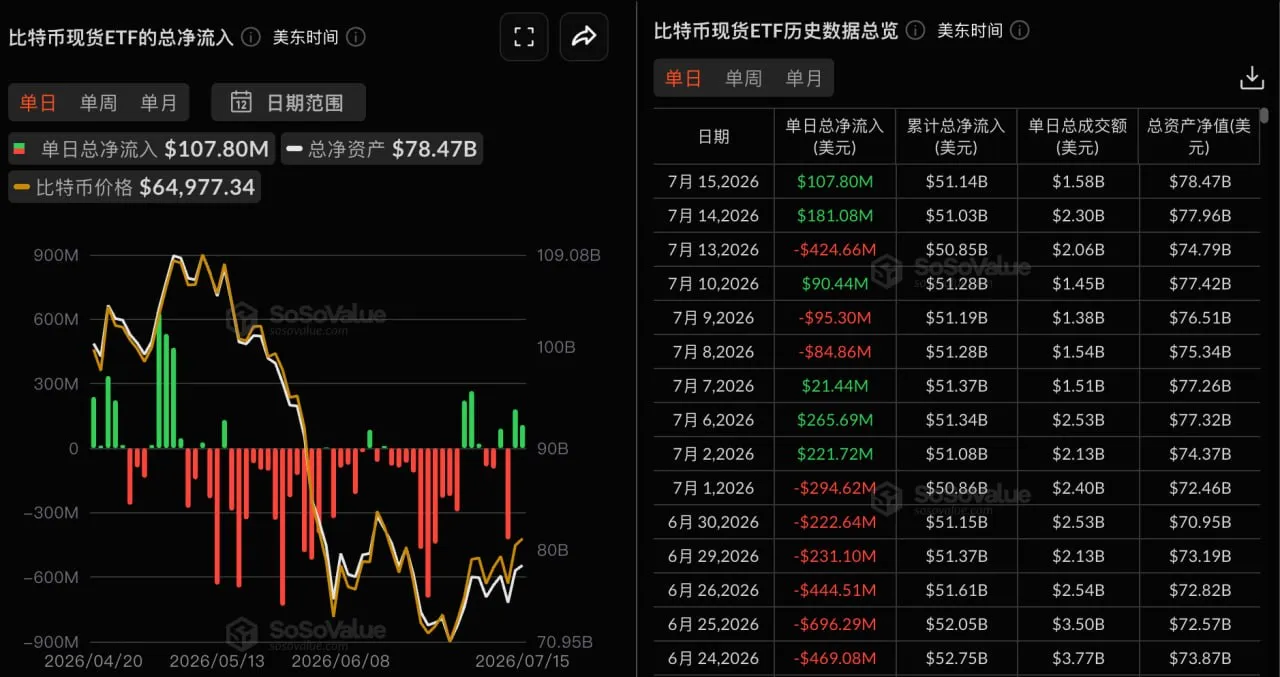
- Bitcoin Spot ETF Approval: On January 10, 2024, the U.S. Securities and Exchange Commission (SEC) approved 11 Bitcoin spot ETFs for the first time. This move opened the door for institutional capital to enter the crypto market, attracting significant capital inflows and significantly boosting the mainstream adoption of Bitcoin.
- Bitcoin Halving Event: The fourth Bitcoin halving occurred in April 2024, cutting miners’ block rewards in half. Historically, Bitcoin halving events are often viewed as a harbinger of a bull market, as they influence market supply and demand dynamics by limiting the supply of new coins.
- Macroeconomic and Regulatory Expectations: At the time, the market widely anticipated that the Federal Reserve might cut interest rates, which increased market liquidity. Additionally, expectations that the regulatory environment might become more lenient following the U.S. presidential election also fostered positive sentiment in the cryptocurrency industry.

At the time, Ripple CEO Brad Garlinghouse predicted that by the end of 2024, the total cryptocurrency market capitalization would double, surpassing $5 trillion.
A Review of Key Developments for the Four Major Cryptocurrencies
Bitcoin (BTC)
In 2024, Bitcoin performed exceptionally well, with its price reaching an all-time high. Key developments included:

- ETF Effect: The launch of new Bitcoin spot ETFs significantly boosted its adoption; for example, the iShares Bitcoin Trust ETF (IBIT.US) saw its assets under management exceed $50 billion that year.
- Halving Boost: The halving event in April 2024 was one of the key factors driving the rise in Bitcoin prices.
- BTCFi Ecosystem Development: The Bitcoin DeFi (decentralized finance) ecosystem grew rapidly in 2024, with Total Value Locked (TVL) surging 2,117% by the end of 2024 to reach $6.755 billion, of which the staking protocol Babylon accounted for 82.37%.
Standard Chartered Bank reiterated its forecast at the time, predicting that the price of Bitcoin could reach $100,000 by the end of 2024.
Ethereum (ETH)
Ethereum also made significant strides in 2024, solidifying its position as the leading smart contract platform:
- The Dencun Upgrade: The Dencun Upgrade was successfully implemented in March 2024, introducing EIP-4844 (Proto-Danksharding).This move was designed to significantly reduce transaction costs on Layer 2 networks (with some network fees dropping by up to 99%) and improve scalability, resulting in a marked improvement in user experience and ecosystem efficiency.
- Ethereum Spot ETF Approval: On July 22, 2024, the U.S. SEC approved the first batch of spot ETFs for the Ethereum, which began trading the following day. In less than six months, these ETFs attracted over $2 billion in net inflows.
- Pectra Upgrade: The next major upgrade, Pectra, is scheduled for release in early 2025 and aims to further enhance the network’s scalability, performance, and user experience.
- Deflationary Characteristics: Following the Merge to the Proof-of-Stake (PoS) mechanism, Ethereum has exhibited deflationary characteristics during periods of high network utilization, with its supply continuing to decrease.
JPMorgan Chase At the time, it was predicted that Ethereum might surpass Bitcoin in 2024, primarily due to the EIP-4844 upgrade and Protodanksharding technology.
Solana (SOL)
Solana continued to demonstrate strong growth momentum in 2024 and was named one of the year’s most popular blockchain ecosystems by CoinGecko:
- High Performance: Solana is known for its efficient, low-cost transactions, with a transaction throughput (TPS) of up to 60,000 per second—far exceeding that of other mainstream public blockchains at the time.
- Ecosystem Expansion: Its ecosystem continues to expand, encompassing a wide range of decentralized applications (DApps), DeFi projects, and NFT platforms.
- DeFi Growth: Solana’s total value locked (TVL) in DeFi surged by 80% that year, demonstrating its immense potential in the decentralized finance sector.
As of November 2024, SOL had traded at approximately $244, with a market capitalization exceeding $114 billion.
Cardano (ADA)
The Cardano network celebrated its seventh anniversary in 2024 and is committed to further enhancing decentralization and scalability:

- Chang Hard Fork: Scheduled for implementation in 2024, the Chang hard fork marked Cardano’s first step toward community-driven governance at the lowest feasible level, launching the pilot phase of its governance model.
- Stablecoin Development: In 2024, the Cardano ecosystem is expected to launch USD-backed stablecoins (such as the Mehen stablecoin USDM), addressing its previous lack of stablecoin offerings.
- The Midnight Project: The Midnight Project, expected to launch in 2024, is a fourth-generation blockchain with innovative features and is associated with a DUST token airdrop for ADA holders.
- Scalability Improvements: Cardano continues to enhance its scalability through measures such as smart contract optimizations, updates to Plutus Script (V2), and increases in block size or reductions in block time.
As of June 2024, the circulating supply of ADA was approximately 35.4 billion, representing 79% of the maximum supply of 45 billion. In November 2024, the price of ADA rose from $0.33 to $0.63, and its market capitalization climbed to $21.289 billion.