Introduction to VTC (Vertcoin) and Its Core Value
VTC, short for Vertcoin, is an open-source, decentralized cryptocurrency. Its core philosophy is to resist centralization by employing an anti-ASIC (Application-Specific Integrated Circuit) mining mechanism, ensuring that ordinary GPU miners can also participate fairly in maintaining the network.VTC aims to provide a fair digital currency environment for everyone, which aligns perfectly with the early “one person, one CPU” vision of Bitcoin.
The Vertcoin project is driven by community volunteers, and its development funding comes primarily from community donations. There was no pre-mining, ICO (Initial Coin Offering), or airdrop; all VTC in circulation is generated primarily through mining, reflecting its principle of fair distribution.

Technical Features and Market Performance of VTC
Technical Foundation and Innovation
- Resistance to ASIC Mining: VTC initially used the Lyra2REv2 algorithm. To counter 51% attacks and the threat of ASICs, it underwent multiple iterations and now uses the Verthash algorithm, which is designed to continuously resist ASIC miners and maintain a decentralized mining ecosystem.
- Bitcoin Technical Evolution: VTC was developed based on the Bitcoin codebase, features a 2.5-minute block time, and has a total supply of 84 million coins—four times that of Bitcoin.
- Halving Mechanism: Similar to Bitcoin, VTC undergoes a block reward halving approximately every four years. Its second halving occurred on December 8, 2021, reducing the block reward from 25 VTC to 12.5 VTC. The next halving is expected to occur around December 9, 2025.
- Technological Innovations: VTC was one of the first cryptocurrencies to implement Segregated Witness (SegWit) and supports Stealth Addresses to enhance transaction privacy. Additionally, it offers a “one-click miner,” lowering the barrier to entry for ordinary users to participate in mining.
Current Market Performance and Historical Overview

As of the time of publication on July 16, 2026, the price of VTC ranged from approximately $0.041 to $0.044, with a market capitalization of approximately $3.06 million to $3.33 million, and a 24-hour trading volume fluctuating between $7,500 and $9,800.Its maximum supply is 84 million VTC, with a current circulating supply of approximately 74.28 million VTC.
Historically, VTC’s price has been highly volatile. It reached an all-time high of approximately $9.80 in December 2017, and other data indicates it hit $12.88 in February 2014.Its all-time low was $0.006347. The current price is well below its historical peak.
Is VTC a worthwhile long-term investment?
Assessing VTC’s long-term investment potential requires a comprehensive evaluation of its unique strengths and the challenges it faces.

Potential Advantages
- Decentralization Vision: VTC remains committed to resisting ASIC mining and upholding the network’s decentralization and fairness, which holds unique value against the backdrop of increasingly centralized cryptocurrency mining.
- Community Support: As a community-driven project, VTC boasts an active community of developers and users, which provides the momentum for its continued growth.
- Technological Iteration: The VTC team has demonstrated the ability to adapt technologically in response to challenges—such as 51% attacks—enhancing network security through algorithm updates.
Key Risks and Challenges
- History of 51% Attacks: VTC suffered 51% attacks in 2018 and 2019, which undermined its network security and market confidence. Although the team has responded with algorithm changes, these past incidents remain a potential risk.
- Price Volatility and Liquidity: VTC is subject to significant price volatility and currently ranks relatively low in the market; its liquidity may not match that of mainstream cryptocurrencies. Investors may face substantial price risks and issues with insufficient trading depth.
- Market Competition: As the cryptocurrency market continues to evolve, new projects are emerging constantly. VTC must continuously innovate and expand its use cases to stand out in this fiercely competitive landscape.

Market Perspectives and Outlook
Regarding VTC’s future performance, market analysis firms have offered differing outlooks; however, these are highly uncertain and should not be used as a basis for investment decisions. For example, some analyses have pointed out that VTC may face the risk of losses in long-term investments, while others, based on specific models, predict that its price may rise slightly in the coming years.Platforms such as LBank have observed that VTC’s market capitalization indicates the market has already recognized its value, and they believe that if VTC can play a greater role in practical applications and expand its user base, its long-term value is expected to increase. Investors can view real-time quotes and trends for this coin on Svmuu and make independent judgments based on information from multiple sources.
Summary
VTC represents a commitment to decentralization and fair mining. Its unique anti-ASIC mechanism and community-driven model constitute its core value.However, past security incidents, extreme price volatility, and a relatively low market ranking all indicate that investing in VTC carries higher risks. For any cryptocurrency investment, including VTC, investors should fully understand its technical principles, market positioning, and potential risks, and make decisions based on their own risk tolerance.

How to Acquire and Store VTC?
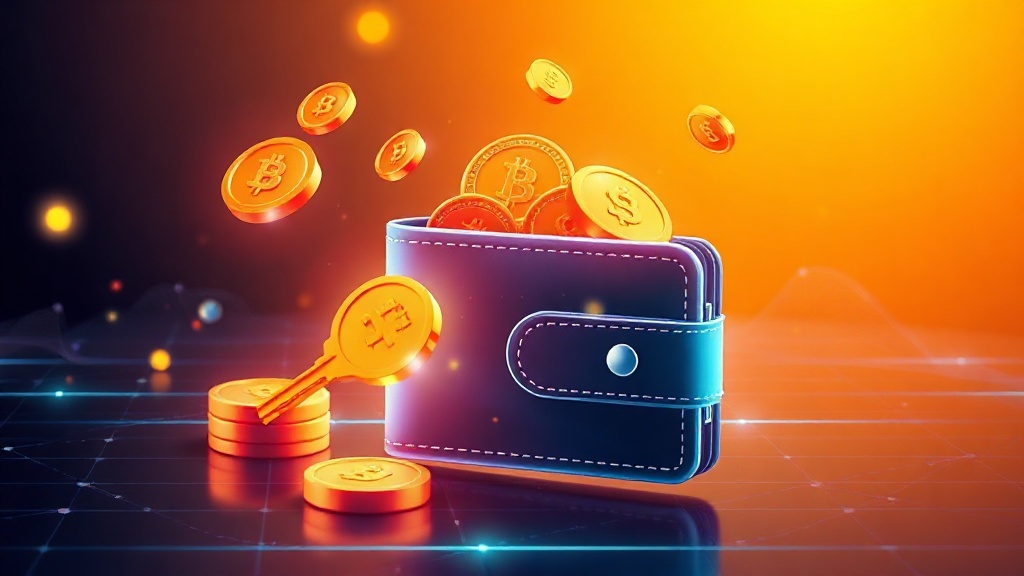
VTC can be purchased and traded on cryptocurrency exchanges that support it. Since VTC is an independent Proof-of-Work (PoW) chain, it does not support EVM-compatible wallets such as MetaMask. Users need to use specific wallets that support Vertcoin, such as the Vertcoin Core wallet (the official desktop wallet) or other third-party wallets that support VTC, to store their assets.