RWA Tokenization Market: 2026 Growth Overview
As of July 17, 2026, the Real-World Assets (RWA) tokenization market is experiencing unprecedented growth. In particular, on-chain U.S. Treasury bonds have become the largest and fastest-growing category in the RWA tokenization space, with an annual growth rate of approximately 120%.This growth is reflected not only in total market capitalization but also in a significant increase in institutional participation, with many traditional financial institutions having moved from pilot projects to full-scale production.
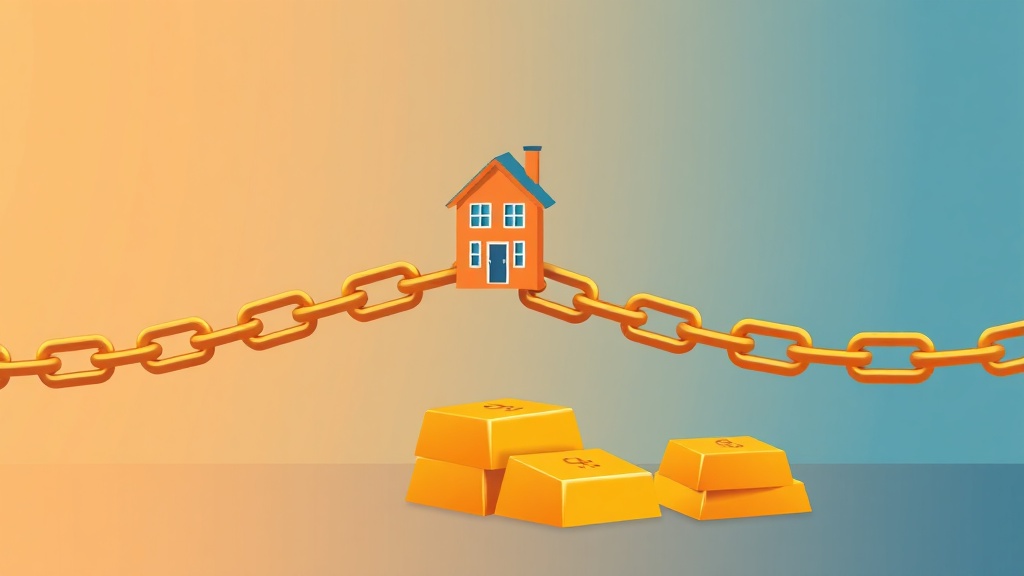
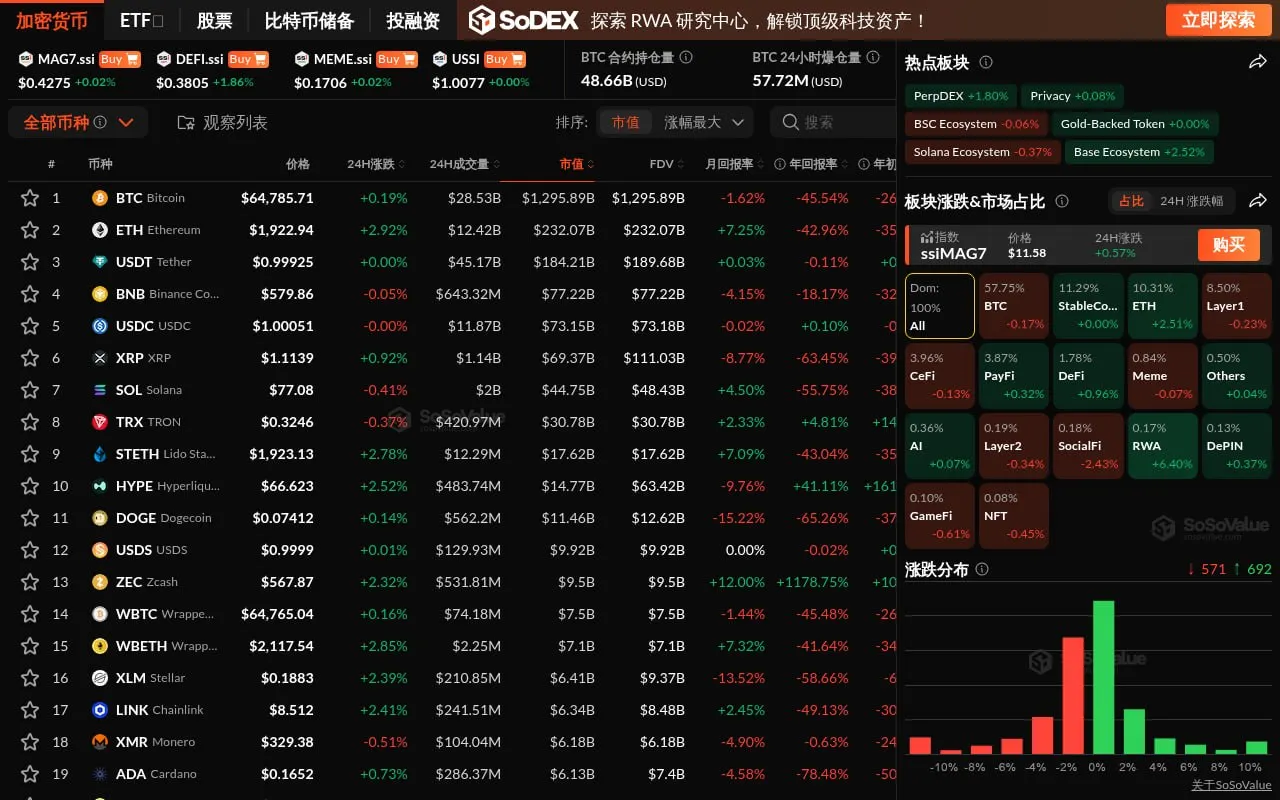
According to market data, as of early July 2026, the total market capitalization of RWA tokenization (excluding stablecoins and comprising freely tradable on-chain value) had reached approximately $33.5 billion, nearly tripling from a year ago.Of this, the value of on-chain government bonds exceeded $15 billion as of May 11, 2026, accounting for the majority of the RWA market.
Major On-Chain Government Bond Products and Institutional Participation
Several traditional financial giants have actively expanded into on-chain government bond products:
- BlackRock (BlackRock) BUIDL Fund: Launched in March 2024 as a tokenized money market fund backed by government bonds, the fund’s total assets under management exceeded $2.5 billion as of May 25, 2026.The BUIDL Fund began trading on decentralized exchanges such as Uniswap in February 2026, marking a further integration of traditional financial assets with the DeFi ecosystem.
- Circle USYC Fund: The USYC tokenized Treasury product launched by Circle experienced rapid growth in mid-2026, with assets under management (AUM) reaching approximately $3 billion, briefly surpassing the BUIDL Fund to become the largest single tokenized Treasury fund.
- Franklin Templeton’s BENJI Fund: Its OnChain U.S. Government Money Market Fund (FOBXX), represented by the BENJI token, had total assets under management of $2.47 billion as of May 25, 2026, and operates on multiple blockchains, including Stellar and Ethereum.
- Ondo Finance: A dominant player in the tokenized U.S. Treasury bond space, its OUSG and USDY products have garnered significant market attention; as of early 2026, its Total Value Locked (TVL) had exceeded $2.6 billion.
- DTCC Pilot Project: In May 2026, the Depository Trust & Clearing Corporation (DTCC) launched a large-scale RWA tokenization pilot. Nearly 40 major financial institutions, including JPMorgan Chase, Goldman Sachs, BlackRock, Vanguard, and the New York Stock Exchange, participated in testing blockchain settlement using tokenized stocks and U.S. Treasury bonds.
In addition, Securitize, as an SEC-registered transfer agent, plays a key role in the issuance and management of institutional RWA tokenizations and is closely associated with BlackRock’s BUIDL Fund.
Regulatory Developments and Shifting Market Focus
In 2026, regulatory frameworks are gradually taking shape worldwide. For example, the EU’s MiCA (Markets in Crypto-Assets Regulation) provides a clearer legal basis for RWA tokenization, which has, to some extent, facilitated institutional adoption. However, regulatory clarity remains one of the primary barriers to the widespread adoption of RWA tokenization.
Notably, the focus of the RWA tokenization market is shifting from the initial concept of “DeFi yields” toward a model that emphasizes “on-chain institutional returns.” This means the market now favors products with reliable structures, standardized onboarding processes, and repeatable distribution models, rather than simply pursuing high-risk DeFi arbitrage.
Comparison and Impact of RWA vs. DeFi Yields
RWA tokenization brings the stable returns of traditional finance into the blockchain world, profoundly impacting the DeFi yield landscape:
- Yield Attractiveness: Tokenized government bond products typically offer yields of 4–6% and provide 24/7 access and instant settlement. Meanwhile, yields on tokenized private credit generally range from 8% to 15%.This contrasts with the average 9.65% yield provided by RWAs in DeFi lending protocols, which is significantly higher than the average median yield across all DeFi protocols and chains (approximately 4%).
- Stability and Risk: Traditional DeFi yields (such as stablecoin mining) may range from 5% to 25% annualized (APY), but they are often accompanied by high volatility, impermanent loss, and smart contract risks.RWA tokenization, particularly on-chain government bonds, offers a relatively more stable and manageable source of returns, providing DeFi investors with diversified options.
- Capital Efficiency: RWA tokenization enhances capital efficiency by enabling rapid asset transfer and settlement through blockchain technology, thereby reducing the intermediary costs and time delays associated with traditional finance.

Many platforms have found that offering both DeFi yields and RWA yields provides complementary value. DeFi yields can offer dynamic exposure in highly volatile markets, while RWA yields provide a more stable core allocation, thereby helping investors build more balanced portfolios.
Challenges and Future Outlook
Although the RWA tokenization market holds immense potential, it still faces several challenges:
- Secondary Market Liquidity: Many RWA products currently have limited trading depth, with low secondary trading activity and relatively long holding periods.
- Cross-chain interoperability: Interoperability between different blockchain networks is not yet seamless, limiting the circulation and use of RWA tokens.
- User Experience: For ordinary users, the onboarding process and user experience for RWA tokenization still have room for improvement.
- Regulatory Barriers: Although progress has been made, regulatory frameworks worldwide still need to be further refined to eliminate uncertainty.

Looking ahead, as technology matures and regulatory clarity increases, RWA tokenization is poised to become a key bridge connecting traditional finance and decentralized finance.The Boston Consulting Group (BCG) predicts that by 2030, the tokenized assets market could reach a size of $10 trillion to $16 trillion. RWA tokenization will continue to drive the evolution of the DeFi ecosystem, offering more diversified and stable yield opportunities, and may ultimately reshape the way global financial markets operate.