An Introduction to USDT and Its Role in the Crypto Market
USDT (Tether) is a stablecoin pegged 1:1 to the U.S. dollar, launched by Tether Limited in 2014. It was initially issued based on the Omni Layer protocol on the Bitcoin network and has since expanded to multiple mainstream blockchain networks, including Ethereum (ERC20), Tron (TRC20), Solana, and BNB Smart Chain.Due to its price stability, high liquidity, and extensive coverage of trading pairs, USDT has become a key underlying asset in cryptocurrency trading and is frequently used by investors for trading, hedging risks, and managing cash flow.

Overview of USDT Trading Platform Types
USDT trading platforms are primarily divided into two major categories:

- Centralized Exchanges (CEX): These platforms are operated by a centralized entity and typically offer one-stop services such as fiat deposits, withdrawals, spot trading, and derivatives trading. They feature user-friendly interfaces and high liquidity, but users are required to complete KYC (Know Your Customer) verification and entrust their assets to the platform.
- Decentralized Exchanges (DEX): DEXs allow users to conduct peer-to-peer transactions directly via smart contracts, without the need for intermediaries. Users retain full control over their assets and are generally not required to undergo KYC. However, DEXs may fall short of CEXs in terms of user experience, transaction speed, and liquidity.
Recommended Mainstream USDT Trading Platforms
There are numerous platforms worldwide that support USDT trading; below are some widely recognized mainstream options:

- Binance (Binance): As one of the world’s largest cryptocurrency exchanges by trading volume, Binance offers hundreds of cryptocurrency trading pairs, including a wide range of USDT trading options. It is known for its robust security features and comprehensive trading tools, making it suitable for users of all experience levels.
- OKX (OKX): Another highly popular USDT trading platform, OKX offers various trading methods such as spot, leveraged, and futures trading, and is favored by users for its security and relatively low trading fees.
- Coinbase: Known for its strict regulatory compliance and user-friendly interface, Coinbase is an ideal choice for users seeking a secure, transparent, and easy-to-use trading experience, with a particularly strong presence in the U.S. market.
- Kraken: As one of the longest-standing cryptocurrency exchanges, Kraken offers over 500 cryptocurrencies, supports USDT trading, and is highly regarded for its low fees and support for both novice and experienced traders.
- Bybit: This platform excels in the derivatives trading space and is particularly well-suited for trading derivatives such as USDT perpetual contracts, offering a wide range of trading tools and high liquidity.
- HTX (HTX): As a globally renowned digital asset trading platform, HTX provides secure and efficient USDT trading services, boasting a broad user base and a diverse range of trading products.
- KuCoin: Founded in 2017, KuCoin supports over 1,000 cryptocurrencies and offers spot, futures, and margin trading, making it a top choice for users seeking diverse trading opportunities.
- Gate.io: Known for its extensive product range and wide variety of trading pairs, this platform offers users diverse trading options.
- Bitstamp: As a long-established cryptocurrency exchange, Bitstamp offers stable USDT trading with consistent liquidity and transparent pricing, making it suitable for traders who prioritize stability.
USDT Wallet Apps
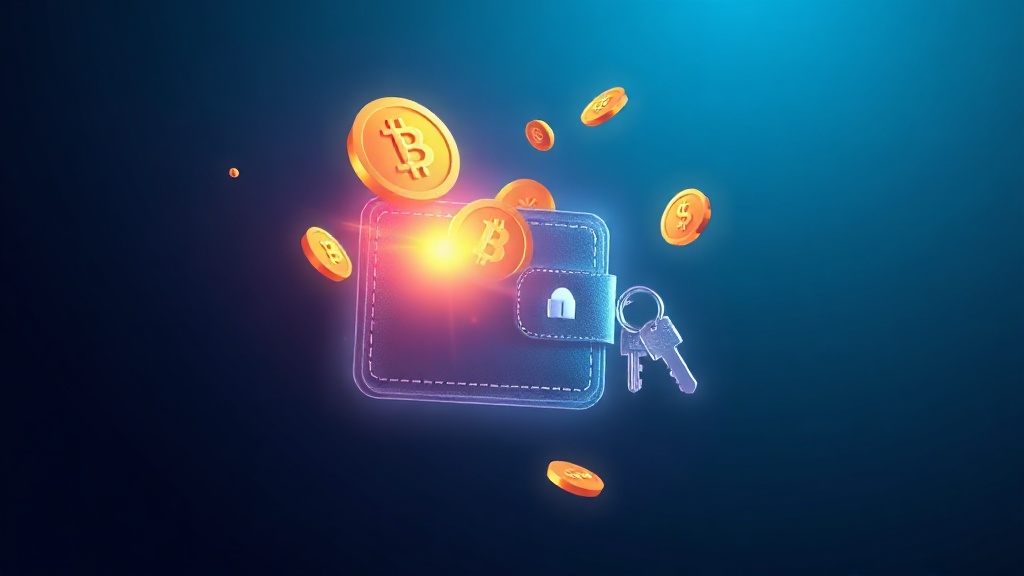
In addition to trading platforms, many cryptocurrency wallets also support the storage, transfer, and management of USDT.These wallets can be hardware wallets, desktop wallets, or mobile wallets, such as MetaMask (which supports ERC20 USDT), Trust Wallet, Exodus, and Bitcoin.com Wallet. They allow users to self-custody their private keys, providing greater control over their assets.
Factors to Consider When Choosing a USDT Trading Platform
When selecting a USDT trading platform, users should comprehensively consider the following key factors:

- Security: Does the platform implement security measures such as multi-factor authentication (MFA), cold storage, and insurance funds?
- Trading Fees: These include deposit, withdrawal, and trading fees, which vary significantly across platforms.
- Liquidity: High liquidity means it is easier to execute trades quickly at the desired price, reducing slippage.
- User Interface and Experience: Is the platform easy and intuitive to use, and does it offer a mobile app?
- Supported Cryptocurrencies: In addition to USDT, does the platform support other cryptocurrencies you are interested in?
- Fiat Deposit and Withdrawal Options: Does the platform support fiat deposit and withdrawal methods in your jurisdiction?
- Regulatory Compliance: Does the platform comply with local financial regulations? This is critical to the legitimacy and security of your funds.
- Customer Service: Can the platform provide timely and effective support when issues arise?