Stablecoins and Bitcoin: Fundamental Differences and Complementarity
Bitcoin (BTC) and stablecoins are two distinct yet interdependent key assets in the cryptocurrency market. Bitcoin is primarily viewed as a decentralized store of value and investment asset, and price volatility is one of its inherent characteristics.In contrast, stablecoins are designed to maintain price stability, typically achieved by pegging them to fiat currencies such as the U.S. dollar or commodity assets like gold. Rather than being direct competitors, they collectively build and support an increasingly complex digital financial ecosystem through their respective unique functions.

Medium of Exchange and Market Liquidity
Stablecoins play a central role as a medium of exchange in the cryptocurrency market, particularly in Bitcoin transactions. They are widely used as the quote currency in “trading pairs” (e.g., BTC/USDT, BTC/USDC), enabling traders to conduct fast and efficient transactions between different crypto assets without having to frequently convert funds in and out of the traditional banking system.This mechanism significantly enhances market liquidity.
Furthermore, stablecoins are one of the primary sources of liquidity in the crypto market. When prices at Bitcoin experience sharp volatility, investors often choose to convert Bitcoin into stablecoins to hedge against potential market risks, treating them as “safe-haven” assets. This positions stablecoins as a key component of risk management.
A Bridge Between Traditional Finance and the Crypto World
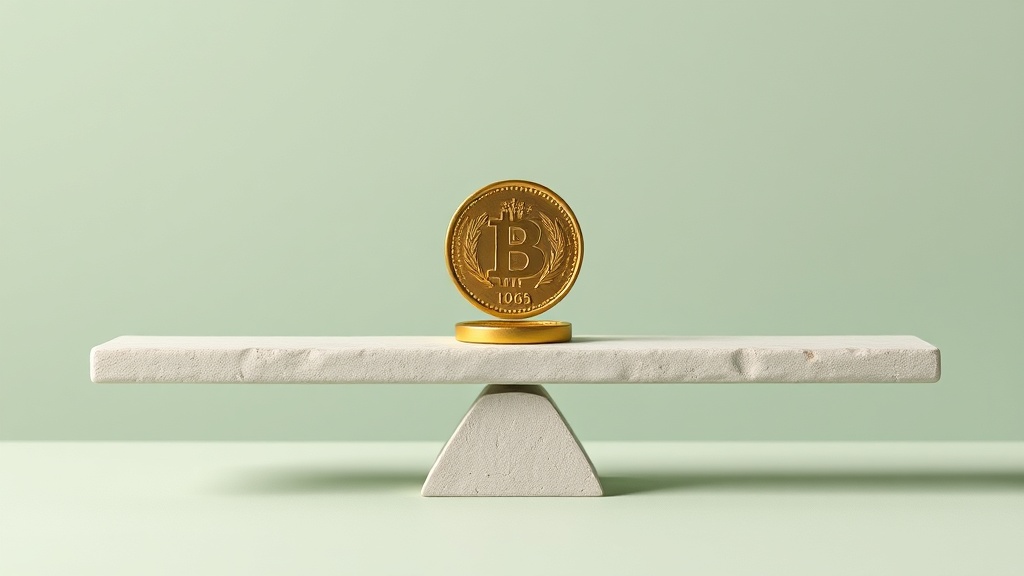
Stablecoins serve as a vital bridge connecting the traditional financial system with blockchain networks, functioning as so-called “on-ramps” and “off-ramps.”Users can conveniently convert fiat currency into crypto assets—and vice versa—using stablecoins. This seamless conversion mechanism greatly enhances the liquidity of Bitcoin and other cryptocurrencies, lowering the barriers for users to enter and exit the crypto market.
Impact on Market Dynamics

Stablecoin market dynamics have a significant impact on the prices of crypto assets, including Bitcoin. Research indicates that decoupling events—where major stablecoins (such as USDT and USDC) deviate from their pegged value—can affect the returns on Bitcoin.Generally, decoupling events may lead to positive market shocks in the short term but may subsequently be followed by a gradual, stabilizing negative correction. Among these, the impact of USDT has been observed to be more significant and persistent.
Market Size and Data Overview

As of the time of publication in July 2026, the total global cryptocurrency market capitalization stood at approximately $2.3 trillion. Of this, Bitcoin’s market capitalization was approximately $1.3 trillion, accounting for about 56.42% of the market share.The total market capitalization of stablecoins was approximately $304 billion, accounting for about 13.23% of the total cryptocurrency market.
In terms of trading activity, stablecoin trading volume underscores their importance as a major source of liquidity. For example, in October 2025, daily stablecoin trading volume briefly exceeded that of Bitcoin. In 2024, the annual trading volume of the two major stablecoins reached $23 trillion.Since 2023, the market capitalization of the two major stablecoins has grown significantly, reaching $260 billion as of December 2025.
Regulatory Focus and Future Outlook

Given the critical role of stablecoins in the crypto ecosystem and their interconnectivity with traditional financial markets, they are increasingly drawing attention from academia and global regulators.Institutions such as the International Monetary Fund (IMF) recognize the potential of stablecoins to improve the efficiency of international payments, but also highlight their potential risks, including value volatility, lack of transparency in reserve management, and the possibility of triggering “currency substitution.” Policymakers are actively exploring a coordinated regulatory framework to balance innovation with risk control and ensure the healthy development of the stablecoin market.