Wanchain (WAN) Project Overview
Wanchain is a cross-chain communication ecosystem dedicated to building decentralized financial infrastructure. Its core vision is to connect different blockchain networks—such as Bitcoin, Ethereum, and Polkadot—through decentralized bridging technology, thereby enabling the secure and seamless cross-chain transfer and interoperability of digital assets across these networks.Wanchain aims to address the “blockchain silo effect” and provide DeFi and Web3 applications with broader liquidity and functionality.
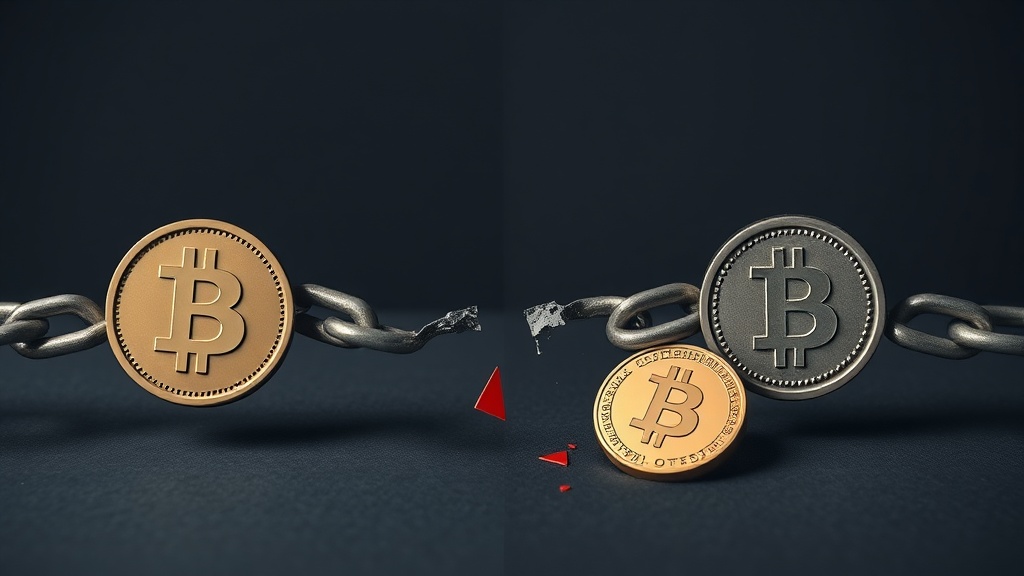
As a public blockchain (Layer 1), Wanchain supports the development of smart contracts using the Solidity language, allowing developers to build decentralized applications (dApps) and issue tokens on its platform. It also provides privacy-preserving mechanisms, such as ring signatures, to enhance the anonymity of on-chain transactions.Wanchain’s core technology is its decentralized cross-chain bridge, which enables the direct transfer of assets between different chains through a “lock-mint-burn-unlock” mechanism, without relying on centralized intermediaries or complex relay networks.The network uses a Proof-of-Stake (PoS) consensus algorithm to process regular transactions and combines specific consensus and incentive mechanisms to ensure the security of cross-chain transactions.
WAN is the native token of the Wanchain ecosystem and plays multiple key roles within the network. It is used to pay transaction fees, maintain network security (through the staking mechanism), and earn staking rewards as a validator node. The utility of the WAN token is closely tied to the activity level of the Wanchain network and the volume of cross-chain transactions.
WAN Token Economic Model and Issuance
The Initial Coin Offering (ICO) for the WAN token took place on October 2–3, 2017, at an issuance price of $0.34 per WAN, raising a total of $35.99 million.WAN was initially issued as an ERC-20 token on the Ethereum network. After the Wanchain mainnet launched, users could exchange it for the native WAN token at a 1:1 ratio.

- Maximum Supply: 210 million WAN
- Total Supply: Approximately 199 million WAN (as of July 2026)
- Circulating Supply: Approximately 199 million WAN (as of July 2026)
Wanchain’s token economic model incorporates a deflationary mechanism, whereby a small amount of WAN tokens is burned with every transaction. As of this writing, WAN’s market capitalization is approximately $10,592,580.
Wanchain Ecosystem and Recent Developments
Key stakeholders in the Wanchain ecosystem include the Wanchain Foundation, which is responsible for the initial management of the token and the development of the ecosystem, as well as the project’s CEO and co-founder, Jack Lu (Lü Xujun).Network security is maintained by validator nodes—including guarantors, regular validators, and storage nodes—which stake WAN tokens to process cross-chain transactions. Developers can build decentralized applications and issue tokens on Wanchain.
As of 2026, Wanchain has made several advancements in both technology and its ecosystem.For example, on June 1, 2026, Wanchain implemented an “ultra-high-speed” bridge performance upgrade aimed at improving cross-chain efficiency. Subsequently, on June 26, 2026, Wanchain announced an integration with the cross-chain aggregator Rango to further enhance the interoperability of the Wanchain Bridge.
However, Wanchain has also faced serious challenges recently. On July 21, 2026, Wanchain’s Cardano-to-BNB Chain cross-chain bridge was compromised by an exploit, resulting in the unauthorized transfer of approximately 515 million NIGHT tokens, valued at up to $13 million.This security incident severely damaged Wanchain’s reputation for security and eroded market confidence. Additionally, in April 2026, the WAN token was delisted from the well-known trading platform Binance, which also dealt a blow to its liquidity and investor confidence.
WAN Investment Outlook and Risk Analysis
Wanchain possesses certain technical advantages in the field of cross-chain interoperability and is committed to enabling the flow of assets and data between different blockchains, which holds significant value in the decentralized finance (DeFi) and Web3 sectors. Its active DeFi ecosystem and staking yields have also attracted a segment of users.

However, investing in WAN also carries significant risks. The cryptocurrency market itself is highly volatile, and the cross-chain interoperability sector is fiercely competitive, with challenges posed by numerous projects. The evolving regulatory environment may also impact the project’s operations.Recent cross-chain bridge vulnerability attacks have negatively impacted Wanchain’s reputation and user trust, raising concerns about its security. Although bridge upgrades and ecosystem integrations may help enhance WAN’s utility and burn rate, market sentiment toward Wanchain is currently mixed and is being negatively affected by security vulnerabilities in the short term.
Please note that investing in cryptocurrencies carries high risks, and this article does not constitute any investment advice.
Where to Trade WAN
WAN tokens can be traded on cryptocurrency exchanges that support this token. As of this writing, WAN is available for trading on the following platforms:
- HTX
- KuCoin
- CoinEx