The Dual Meaning of "IRA Coin": DeFi Token vs. Crypto Retirement Account
The term "IRA Coin" has two main interpretations in the cryptocurrency space: it can refer to a specific decentralized finance (DeFi) token, or it can denote the broader concept of investing in cryptocurrencies through an Individual Retirement Account (IRA). Understanding these two meanings is crucial for investors.
DeFi-IRA (IRA) Token: Project Overview and Market Status

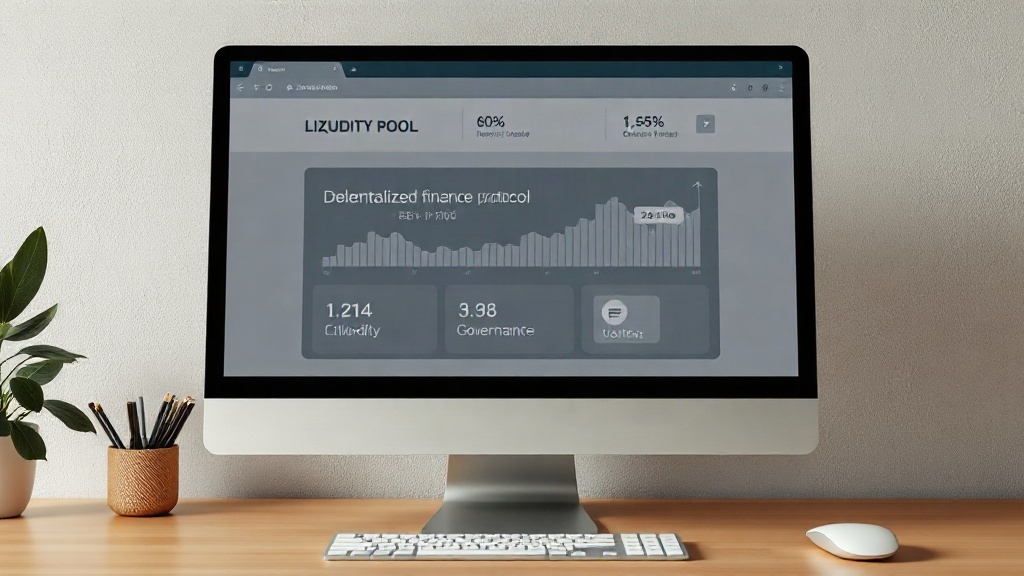
DeFi-IRA (IRA) is a decentralized finance project based on the Base Chain network. Its core objective is to provide passive income to token holders, with a mechanism similar to traditional retirement accounts (like 401(k)s), but specifically designed for the DeFi ecosystem. The protocol operates by charging a 4% fee on buy, sell, and transfer transactions. These fees are used to reward holders, enhance liquidity, and perform token burns for deflationary purposes. Additionally, the protocol's treasury generates yield, aiming to create continuous buying pressure for the token.
Key Data and Liquidity Challenges for IRA Token
As of August 12, 2026, the market performance of the DeFi-IRA token is as follows:
- Current Price: Approximately $0.0036 USD.
- 24-hour Trading Volume: Approximately $150-$240 USD.
- Market Cap: Approximately $800,000-$810,000 USD.
- Circulating Supply: Approximately 220 million IRA tokens.
- All-Time High: $0.01724 USD (July 20, 2025).
- All-Time Low: $0.00117 USD (September 6, 2024).

Important Note: Given that the current 24-hour trading volume for the DeFi-IRA (IRA) token is only in the hundreds of dollars, its market liquidity is extremely low. This means that the token no longer has an active trading market, and investors attempting to buy or sell may face significant slippage and difficulty in executing trades. Therefore, trading is not recommended at this time, and specific trading platforms or purchase guidance cannot be provided. Stay tuned to Svmuu for ongoing updates.
Crypto Individual Retirement Account (Crypto IRA): Investing in Digital Assets Through an IRA
The other interpretation of "IRA Coin" refers to investing in cryptocurrencies through a U.S. Individual Retirement Account (IRA). This method allows investors to hold various crypto assets, including Bitcoin and Ethereum, within a tax-advantaged retirement account. This approach aims to combine the growth potential of digital assets with the tax benefits of traditional retirement savings.
How Crypto IRAs Work and Key Platforms

Through Crypto IRA services, investors can include cryptocurrencies as part of their retirement investment portfolio within a framework that complies with IRS regulations. These services are typically provided by specialized platforms that partner with qualified custodians to ensure the secure storage of digital assets, often using insured cold storage, so users do not need to directly manage private keys.
Platforms offering Crypto IRA services include:
- Coin IRA
- Directed IRA (in partnership with Gemini)
- IRA Financial (via the IRAfi Crypto™ platform, in partnership with Bitstamp)
- Equity Trust
- BitcoinIRA
- Crypto.com (launched in March 2026, supporting stocks, ETFs, and over 400 cryptocurrencies in the same account)
- IRA Club
Investors typically buy and sell cryptocurrencies through these platforms' dedicated digital trading interfaces. Transactions may involve certain processing fees, but usually no additional storage fees are charged. The advantage of this method is that capital gains from cryptocurrency transactions within an IRA account typically do not trigger Unrelated Business Income Tax (UBIT), and tax treatment follows IRS regulations for retirement accounts.

Conclusion
Whether focusing on the DeFi-IRA token or considering investing in mainstream cryptocurrencies through a Crypto IRA, investors should fully understand the associated risks. For the DeFi-IRA token, its extremely low liquidity is the biggest current challenge; for Crypto IRAs, it is essential to carefully research each platform's fee structure, supported asset types, and tax compliance, and to consult with a professional financial advisor.