What is a multi-chain wallet?
In the rapidly evolving world of cryptocurrency, there are numerous blockchain networks, each with its own unique characteristics, such as Bitcoin, Ethereum, Solana, Polygon, and others.Traditionally, users have needed to use separate wallets for each blockchain network to manage their digital assets. However, this fragmented approach has led to numerous inconveniences. A multi-chain wallet is a tool designed specifically to address this pain point.
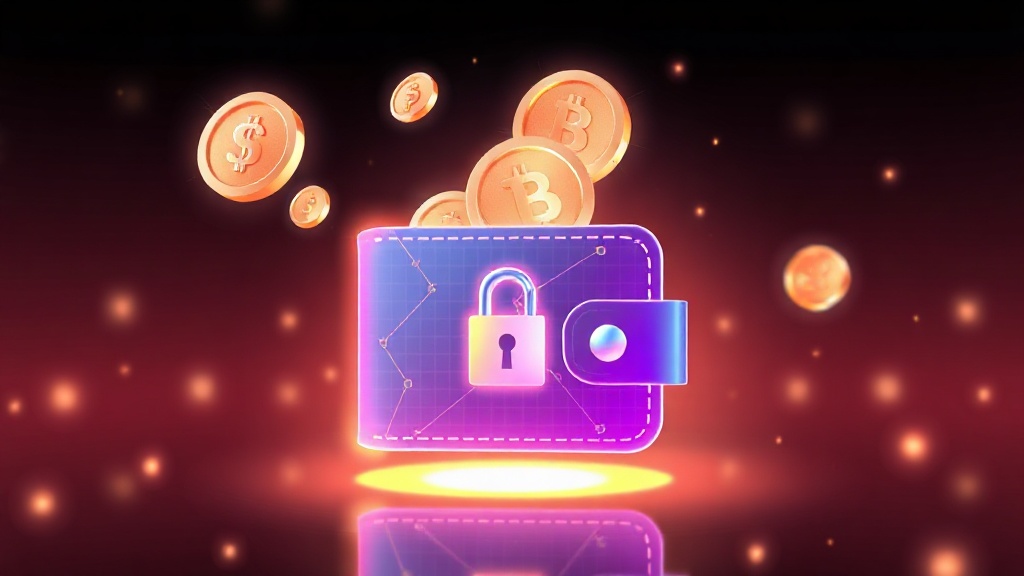
Simply put, a multi-chain wallet is a cryptocurrency wallet that supports and interacts with multiple blockchain networks. This means users can store, send, receive, and manage various digital assets—including cryptocurrencies and non-fungible tokens (NFTs)—across different blockchains all through a single wallet interface.
The Importance and Advantages of Multi-Chain Wallets
The emergence of multi-chain wallets represents a significant innovation in the development of the Web3 ecosystem, bringing users notable convenience and efficiency gains:
- Unified Asset Management: Users no longer need to download and manage multiple wallet apps for each blockchain. A single multi-chain wallet can consolidate all assets, simplifying portfolio tracking and management.
- Enhanced Interoperability: Multi-chain wallets break down barriers between different blockchain networks, enabling users to interact more easily across different ecosystems and decentralized applications (DApps). For example, users can exchange or bridge assets across chains within the same wallet.
- Improved User Experience: Managing assets across multiple chains through a unified interface and a single set of mnemonic phrases significantly reduces operational complexity, making it particularly user-friendly for beginners.
- Broader DApp Connectivity: Multi-chain wallets typically feature built-in DApp browsers or support DApp connectivity, allowing users to conveniently participate in various Web3 activities such as DeFi, NFTs, and GameFi.
- Unified Management via a Single Set of Seed Phrases: Many multi-chain wallets allow users to recover and manage assets across multiple blockchains using a single set of seed phrases, eliminating the hassle of backing up multiple sets of seed phrases separately.
How to Choose the Right Multi-Chain Wallet for You?
Choosing the right cryptocurrency wallet is a critical decision for protecting your digital assets. When selecting a multi-chain wallet, you should comprehensively consider the following key factors:

- Supported Blockchain Networks: Ensure the wallet supports the major public blockchains and their tokens that you currently hold or plan to hold, such as Bitcoin, Ethereum, Solana, Polygon, BNB Chain, Arbitrum, Optimism, and others.
- Security: Security is the top priority when choosing a wallet. Prioritize wallets with a strong security track record and a large user base. Consider the following security features:
- Self-custody (non-custodial) features: Ensure the wallet allows you to maintain full control over your private keys and mnemonic phrases—remember, “If you don’t own the private keys, you don’t own the coins.”
- Multiple Security Measures: Look for wallets that support two-factor authentication (2FA), PIN codes, and biometric authentication (such as fingerprint or facial recognition) to enhance account security.
- Code audits: Choose a wallet that has undergone independent security audits, as this demonstrates the robustness and security of its code.
- Hardware Wallet Support: If the wallet integrates with hardware wallets (cold wallets), it provides the highest level of offline storage security for large asset holdings.
- User Experience and Interface: An intuitive, user-friendly interface makes it easier to manage your assets and perform transactions. Consider the wallet’s usability and responsiveness on desktop, mobile devices, or browser extensions.
- DApp Connectivity and Ecosystem Integration: If you plan to participate in Web3 activities such as DeFi and NFTs, the wallet’s ability to connect to DApps is crucial. Check whether the wallet includes a built-in DApp browser and the extent of its support for various decentralized protocols.
- Built-in Features: Some multi-chain wallets offer additional practical features, such as built-in token swapping, cross-chain bridging, staking services, NFT display, and portfolio tracking.
- Community Support and Update Frequency: An active community and regular software updates typically indicate that the wallet project team prioritizes security and user experience.
Security Tips
Regardless of which multi-chain wallet you choose, the following security practices are essential:

- Safeguard Your Mnemonic Phrase/Private Keys: These are the sole means of accessing your assets. Be sure to back them up offline and store them securely; never disclose them to anyone.
- Be Wary of Phishing Scams: Carefully verify website URLs, and avoid clicking on suspicious links or downloading wallet apps from unknown sources.
- Enable two-factor authentication (2FA): Enable 2FA for your wallet and related accounts whenever possible.
- Test with small amounts: Before making large transfers, test with small amounts first to confirm the address is correct.
- Update Regularly: Keep your wallet software up to date to receive the latest security patches and features.
- Diversify risk: For large amounts of assets, consider using a combination of hot wallets (for daily transactions) and cold wallets (for long-term storage).