Bitcoin: A Decentralized Digital Protocol
Since its inception in 2009, Bitcoin (BTC) has often been compared to gold; both are viewed as stores of value that hedge against inflation and the traditional fiat currency system. However, the most significant difference between them lies in their fundamental nature: Bitcoin is a code-based, decentralized protocol, while gold is a physical commodity.

Bitcoin The protocol is an open-source, global framework of rules and procedures that defines how the Bitcoin network operates. These rules include transaction verification, the creation of new blocks, the reward mechanism for miners, and the code of conduct for network participants. It operates through a peer-to-peer network comprising millions of computers worldwide, without the need for any central bank or authority to manage it.This design gives Bitcoin the following core characteristics:
- Fixed Supply: The maximum supply of Bitcoin is strictly capped at 21 million coins; this limit is enforced by the protocol code and cannot be changed.
- Proof of Work (PoW): The Bitcoin network ensures transaction security and network integrity through a PoW consensus mechanism, in which miners compete to solve complex computational puzzles to validate transactions and create new blocks.
- Decentralization: Control of the network is distributed among global participants; no single entity can censor transactions or manipulate the supply.
- Programmability and Scalability: As a digital protocol, the Bitcoin network enables the development of various Layer 2 solutions and decentralized applications.For example, the Lightning Network improves speed and reduces fees by processing transactions off-chain; the Ordinals protocol (launched in January 2023) allows data to be directly inscribed onto the smallest unit of Bitcoin, the “satoshi,” creating NFT-like digital originals.
In recent years, Bitcoins have gained widespread recognition as an asset class in traditional financial markets. For example, in 2024, the U.S. Securities and Exchange Commission (SEC) approved several spot Bitcoin ETFs, providing institutional and retail investors with more convenient investment channels and attracting capital inflows from major financial institutions such as BlackRock and Fidelity.

Gold: A Time-Tested Physical Asset
As a rare precious metal, gold has been regarded for thousands of years as the ultimate store of value and a safe-haven asset. Its value stems from its physical properties (scarcity, durability, malleability), industrial applications (jewelry, electronics), and its traditional status as a safe haven during periods of global economic uncertainty.The gold market has a long history, featuring a mature trading infrastructure and a clear regulatory framework.
Bitcoin Key Differences from Gold

Although Bitcoin and gold both possess scarcity, durability, and global acceptability, and are viewed as stores of value, differences in their intrinsic properties determine their distinct roles in the modern financial system:
- Nature and Form: Bitcoin is purely digital information—a protocol based on cryptography and a distributed network; gold is a tangible, physical commodity.
- Supply Mechanism: Bitcoin’s fixed supply of 21 million coins is enforced by code, and the rate of new coin issuance is periodically reduced through the “halving” mechanism (the next halving is expected after March 2028, at which point the annual inflation rate will decline further), unaffected by demand or price fluctuations.Gold’s supply is limited by Earth’s reserves and mining technology; rising prices may stimulate more mining activity, thereby increasing market supply.
- Programmability and Scalability: As a protocol, Bitcoin enables the development of diverse applications and layer-2 solutions, continuously expanding its functionality and use cases. As a physical commodity, gold lacks this programmability.
- Trading and Storage: Bitcoin is fully digital, enabling fast, secure, and borderless transactions via the internet, and is stored in digital wallets (controlled by private keys). Gold transactions typically require physical delivery or are conducted through exchanges, while storage requires vaults or safes.
- Volatility and Risk: As of this writing, Bitcoin generally exhibits higher price volatility than gold, which presents greater trading opportunities but also carries higher risks. Gold’s price fluctuations are relatively minor, and it is viewed as a more stable safe-haven asset.
- Sources of Value: Bitcoin’s value primarily stems from its recognition as a decentralized digital currency, network effects, and the security and scarcity provided by its protocol. Gold’s value, on the other hand, derives from its long history, practical applications in jewelry and industry, and its status as a traditional safe-haven asset.
- Market Maturity and Regulation: The gold market has evolved over centuries and is mature with clear regulations. The Bitcoin market is relatively new; although it has made significant progress, its regulatory framework is still evolving and being refined globally.
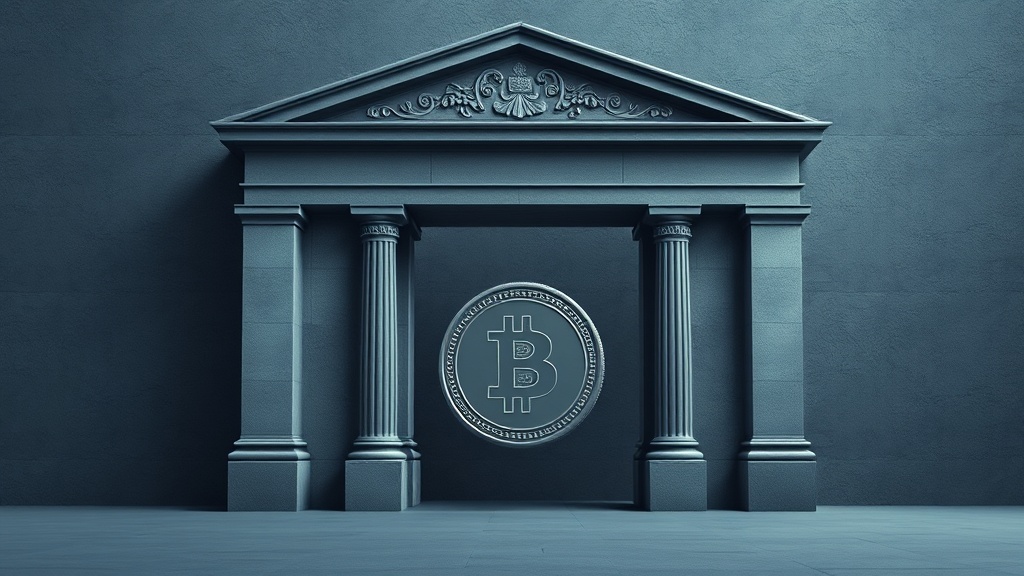
Data Comparison (as of the time of publication; data is subject to change and is for reference only)
- Bitcoin: Prices range from approximately $64,420 to $65,693, with a market capitalization of approximately $1.28 trillion to $1.30 trillion and a circulating supply of approximately 20.06 million BTC.As of the end of 2025, its annual inflation rate was approximately 0.81%, and is expected to drop to 0.41% following the halving in 2028.
- Gold: The international spot price of gold ranges from approximately $4,053 to $4,126 per ounce. As of January 2026, the global market capitalization of gold was approximately $4.169 trillion, with global reserves of about 137,400 metric tons.
Conclusion

Bitcoin As an innovative decentralized digital protocol, it differs significantly in nature from gold, a time-honored physical asset. Bitcoin ’s protocol characteristics endow it with a unique supply mechanism, programmability, and the ability to facilitate frictionless global transactions, enabling it to play an increasingly important role in the digital economy. Although both possess scarcity and the potential to serve as a store of value, understanding their core differences is crucial for investors and market participants to assess their respective risks and opportunities.