The Global Cryptocurrency Exchange Landscape
As of July 2026, the global cryptocurrency trading market is highly concentrated, with a small number of centralized exchanges (CEXs) accounting for the vast majority of trading volume and users. These platforms not only offer spot trading but also provide a wide range of financial services, including derivatives, staking, and lending, catering to the needs of various types of investors.
Key Features and Market Position of Major Trading Platforms
Binance (Binance)

- Market Leader: Binance was consistently recognized as one of the world’s largest cryptocurrency trading platforms in 2024 and 2025.As of 2024, its market share of spot trading volume had reached 46.59%, with a cumulative trading value of $7.23 trillion and a total trading volume (spot + derivatives) market share of 38.6%.
- Trading Scale: As of October 2024, the platform recorded over 10 million weekly visits, with estimated daily trading volume exceeding $12 billion. It supports over 500 cryptocurrencies.
- Compliance Efforts: Despite facing regulatory challenges in various regions around the world (such as the 2023 settlement with U.S. justice authorities), Binance continues to invest resources in enhancing its compliance framework.
OKX (OKX)
- Strong Competitor: OKX is one of the world’s leading cryptocurrency trading platforms, performing strongly in both spot and derivatives markets. As of 2024, its daily trading volume had reached approximately $4 billion, accounting for a 13.5% share of the total trading volume market.
- Product Diversity: OKX offers a wide range of trading products, including spot trading, futures, and options, and is actively expanding into the Web3 ecosystem by providing services such as wallets, DEXs, and NFT marketplaces.
Bybit
- Derivatives Strength: Bybit is renowned for its robust derivatives trading capabilities and is particularly favored by professional traders. As of 2024, its daily trading volume had reached approximately $6 billion, accounting for a 12.8% share of the total trading volume market.
- User Growth: Bybit continues to expand globally and tailors its services to specific user groups, such as supporting account openings for certain overseas users.
Coinbase

- Compliance Pioneer: As the first cryptocurrency exchange to go public in the U.S., Coinbase is known for its strict compliance standards, user-friendly interface, and robust security, making it particularly popular among novice users.
- Trading Volume: As of October 2024, its daily trading volume is estimated to exceed $1.5 billion, supporting over 200 cryptocurrencies.
Kraken
- Security and Low Fees: Kraken is another long-established and highly respected exchange that attracts users with its robust security measures and relatively low trading fees. It supports trading in a wide variety of cryptocurrencies and offers professional trading tools.
- Trading Volume: As of May 2024, its daily trading volume had reached approximately $700 million.
Bitget
- Innovative Services: Bitget has attracted a large user base with its “one-click copy trading” feature and zero-fee spot trading strategy. As of 2025, its user base has surpassed 25 million.
Crypto.com

- Rapid Growth: Crypto.com has achieved significant growth in recent years; as of 2024, its trading volume growth rate had reached 969.7%, with a cumulative trading volume of $1.29 trillion. The platform offers a wide range of services, including trading, payments, and DeFi products.
Other Notable Platforms
In addition to the platforms mentioned above, KuCoin, Gate.io, and HTX (formerly HTX) are also influential global trading platforms, each with its own strengths in terms of the number of trading pairs, support for emerging assets, or specific markets.
Factors to Consider When Choosing a Trading Platform
When selecting a cryptocurrency trading platform, investors should comprehensively consider the following key factors:
- Security: Whether the platform has implemented security measures such as multi-factor authentication, cold storage, and insurance funds.
- Trading Fees: Fees for spot and derivatives trading, withdrawal fees, etc.
- Liquidity: The depth and breadth of trading pairs, ensuring that trades can be executed quickly at reasonable prices.
- User Interface and Experience: Is the platform easy to use, and does it offer professional charting tools and analytical features?
- Supported Cryptocurrencies: Does the platform support the cryptocurrencies you are interested in?
- Regulation and Compliance: Is the platform licensed in major jurisdictions and does it comply with local regulations?
- Customer Service: Whether you can receive timely and effective support when issues arise.
Regulatory and Compliance Trends
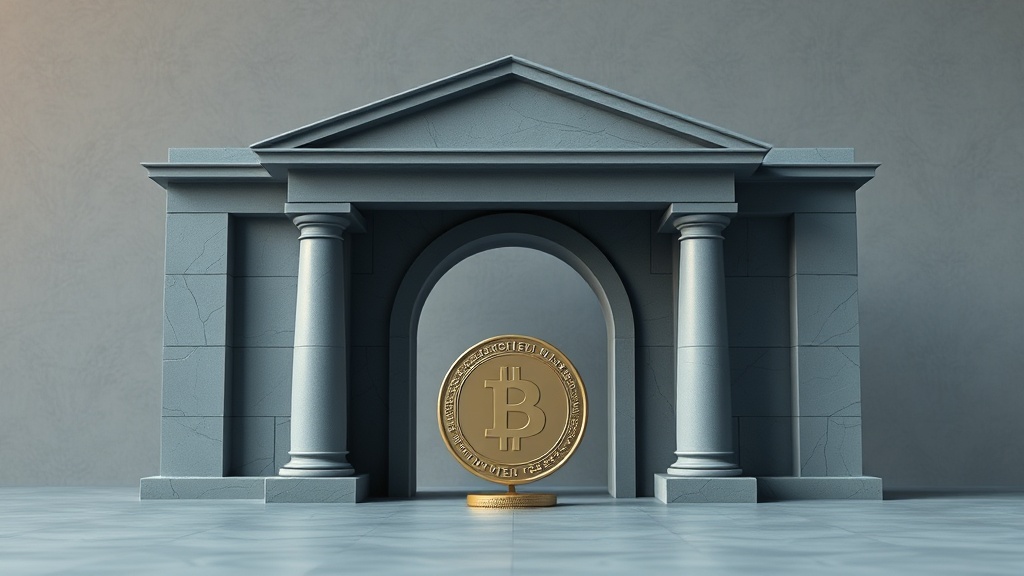
The global cryptocurrency regulatory environment is maturing, with countries and regions actively developing or refining relevant regulations, such as the EU’s MiCA legislation and regulatory actions by the U.S. SEC. Major trading platforms are working to adapt to these changes by applying for licenses and strengthening their KYC/AML (Know Your Customer/Anti-Money Laundering) processes to enhance their compliance standards.Investors should pay attention to a platform’s compliance status in its jurisdiction.