The Importance of a Cryptocurrency Market Overview and Potential Assessment
Over the past decade, cryptocurrency has evolved from an emerging technological concept into an integral and indispensable component of global financial markets. As blockchain technology continues to mature and its applications expand, an increasing number of investors are focusing on how to identify and select cryptocurrencies with long-term growth potential. However, high market volatility, the sheer number of projects, and the complexity of information make this selection process challenging.This article will provide readers with a practical framework for evaluating the potential of cryptocurrencies from multiple perspectives, while also analyzing current market trends.

Core Factors in Assessing Cryptocurrency Potential
Selecting cryptocurrencies with potential is no easy task and requires a comprehensive consideration of multiple factors:

- Technological Innovation and Use Cases: Examine whether the blockchain technology underlying the project is innovative and whether it can effectively solve existing problems (such as scalability, transaction speed, and privacy protection).Additionally, determine whether the token or platform has clear and sustainable real-world use cases, such as Layer 2 solutions, sharding technology, new consensus mechanisms, or privacy-enhancing technologies like zero-knowledge proofs (zk-SNARKs).
- Team and Community: A team composed of experienced, technically proficient developers and management is the cornerstone of a project’s success. Furthermore, an active and supportive community provides the project with sustained momentum and a user base; a strong community ecosystem often signals better prospects for growth.
- Tokenomics: Analyze the token’s supply, distribution mechanism, use cases, and incentive model. For example, Bitcoin’s limited supply and halving mechanism are key components of its value proposition. A well-designed tokenomics model can effectively incentivize network participants and underpin the token’s long-term value.
- Market Demand and Competitive Landscape: Assess whether there is genuine demand in the market the project targets and whether the project possesses unique advantages or differentiation among its competitors. Understanding the size of its target market and its potential for growth is crucial.
- Compliance and Regulatory Environment: As the cryptocurrency market becomes increasingly institutionalized, regulatory compliance is growing in importance. Whether a project is actively seeking compliance across different jurisdictions and whether its operations align with local regulations will directly impact its long-term development and potential for institutional adoption.
Current Market Trends Worth Watching (as of July 30, 2026)
As of this writing, the cryptocurrency market is experiencing the following notable trends:

- Institutional Adoption and Integration with Traditional Finance: The U.S. Securities and Exchange Commission (SEC) has approved an exchange-traded fund (ETF) based on Bitcoin, providing traditional investors with easier access to Bitcoin and significantly increasing institutional capital inflows and market stability. The market widely expects that Ethereum ETFs may also be launched, further driving the mainstream adoption of Ethereum.
- The Convergence of Artificial Intelligence (AI) and Cryptocurrency: Artificial intelligence and machine learning are being widely applied in the cryptocurrency sector for trading strategies, portfolio management, risk assessment, and fraud detection.For example, Fetch.ai, SingularityNET, and Ocean Protocol announced a merger in March 2024 aimed at creating a new AI token, ASI (Artificial Superintelligence), to drive the development of decentralized AI infrastructure.Historical data shows that the total market capitalization of AI tokens was only $270 million in February 2023, but has since grown significantly to over $3.9 billion, demonstrating strong momentum in this sector.
- Tokenization of Real-World Assets (RWAs): Blockchain technology is being used to tokenize real-world assets such as real estate, art, and commodities. This model opens up new opportunities for fractional ownership of assets, increased liquidity, and greater transparency in asset management, serving as a vital bridge connecting the traditional financial world with the blockchain ecosystem.
- The Rise of Layer 2 Solutions: As challenges such as mainnet congestion and high transaction fees on platforms like Ethereum persist, Layer 2 solutions—such as Arbitrum and Optimism—are becoming increasingly important. By processing transactions on top of the main chain, they significantly enhance blockchain network performance, transaction speed, and scalability.As of April 2026, Arbitrum’s Total Value Locked (TVL) had exceeded $18 billion, accounting for approximately 45% of the Layer 2 market, demonstrating its pivotal role within the ecosystem.
Investment Strategies and Risk Management
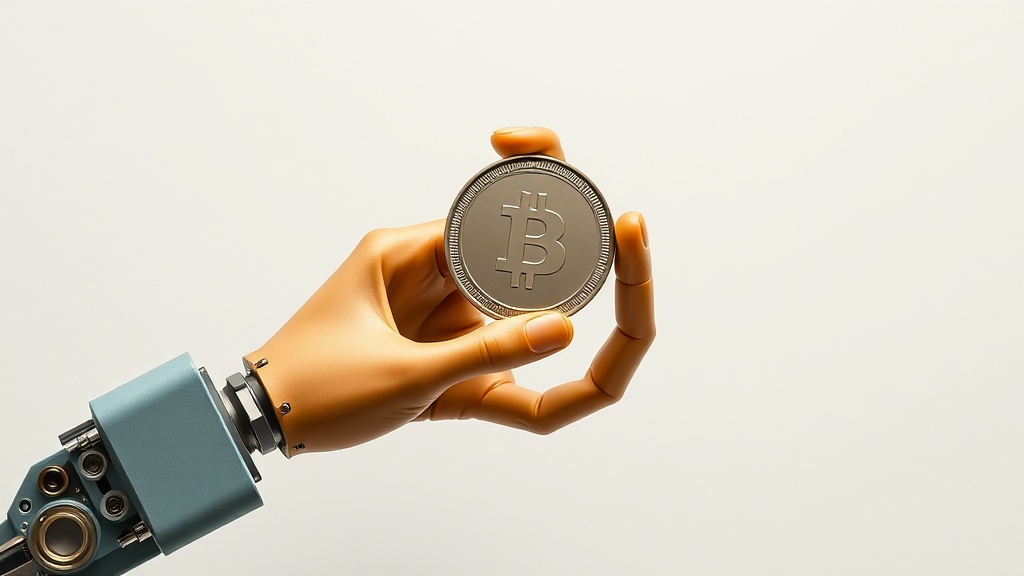
For readers interested in investing in cryptocurrency, the following recommendations can help manage risk and improve the quality of investment decisions:
- Diversify Your Portfolio: Do not invest all your funds in a single asset; reduce risk by diversifying your investments.
- Long-Term Investment Perspective: The cryptocurrency market is highly volatile, and short-term speculation carries high risks. Adopt a long-term holding strategy and focus on a project’s fundamentals and future growth potential.
- Continuous Learning and Research: The cryptocurrency sector evolves rapidly, with new projects and technologies emerging constantly. Stay informed by thoroughly researching project white papers, team backgrounds, and market dynamics.
- Invest According to Your Risk Tolerance: The amount you invest should be determined based on your personal financial situation and risk tolerance. Never invest more than you can afford to lose.

Please note that the information provided in this article is for reference only and does not constitute investment advice. Investing in cryptocurrency carries high risks; be sure to make independent investment decisions only after fully understanding these risks.