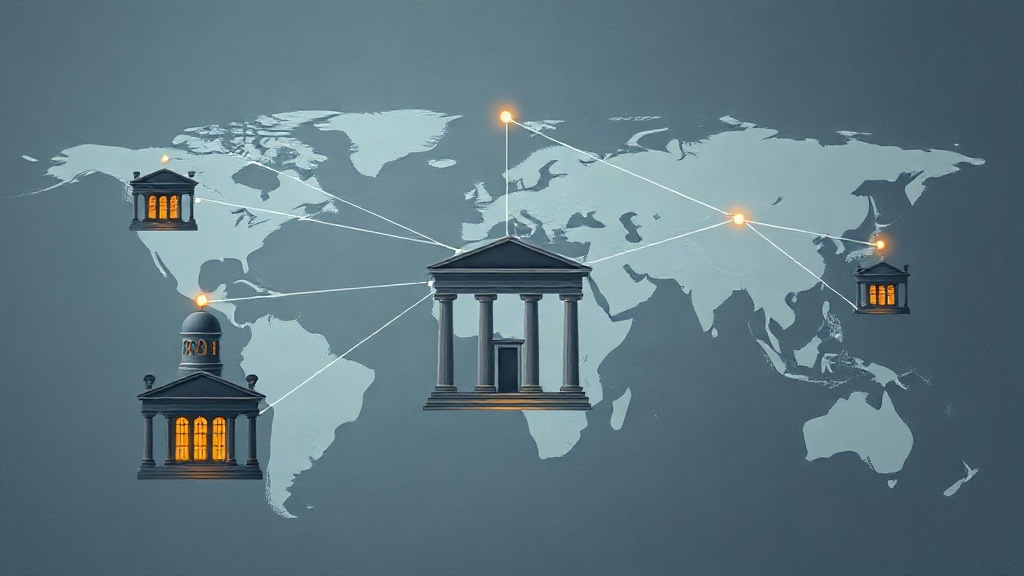
The global cryptocurrency regulatory environment is becoming increasingly mature

As of July 2026, more than 80% of jurisdictions worldwide have strengthened their regulation of cryptocurrencies, with consumer protection emerging as a key focus.The European Union’s Markets in Crypto-Assets Regulation (MiCA) took full effect in December 2024, establishing the first comprehensive legislative framework for the digital asset market. Starting in January 2025, the U.S. government has also shifted toward supporting the development of the cryptocurrency industry, aiming to position the United States as a global hub for cryptocurrencies by streamlining approval processes.The Hong Kong Securities and Futures Commission (SFC) implemented the Virtual Asset Service Provider (VASP) licensing regime on June 1, 2023, requiring all relevant platforms to obtain a license by May 31, 2024, thereby further advancing the industry’s compliance efforts.
Overview of Major Cryptocurrency Exchanges and Compliance Progress

When selecting a trading platform, compliance, security, trading volume, and user experience are key considerations. Below is a recent overview of some of the world’s leading platforms:
- Binance (Binance): As one of the world’s largest centralized cryptocurrency trading platforms by trading volume, Binance has been actively addressing global regulatory scrutiny since 2021. As of July 2024, Binance has obtained regulatory licenses or registrations in 18 jurisdictions worldwide.Its entity in the Abu Dhabi Global Market (ADGM) is regulated by the Financial Services Regulatory Authority (FSRA) and provides investment trading, custody, and trading services. In 2018, Binance established the User Asset Safety Fund (SAFU) to protect user funds in emergency situations.
- Coinbase: Coinbase has consistently worked to establish itself as a compliant platform. In July 2026, the company planned to expand its cryptocurrency offerings in Canada, provided that Canada established clearer long-term regulatory guidelines.Notably, in July 2026, the New York State Attorney General filed a lawsuit against Coinbase Financial Markets, alleging that its “event contracts” constituted gambling. That same month, Coinbase’s Chief Legal Officer resigned, a move interpreted by the market as a signal that the company’s compliance strategy was shifting toward a “licensing and institutional development model.”
- OKX (OKX): OKX officially entered the U.S. market in April 2025, following a settlement with regulators in which it paid a $504 million fine. OKX It is committed to operating in compliance with regulations and maintains licensed entities in the Americas, the European Economic Area, the United Arab Emirates, Singapore, and Australia. The platform publishes monthly reserve proof reports and has a court-appointed compliance advisor overseeing its operations through February 2027.
- Kraken: Founded in 2011, it is one of the industry’s earliest cryptocurrency exchanges. Kraken holds a Class F digital asset business license in Bermuda and is regulated by the Bermuda Monetary Authority (BMA). It is registered as a restricted dealer with the Ontario Securities Commission and other provinces in Canada.In May 2026, its parent company, Payward, received preliminary approval from the Dubai Virtual Assets Regulatory Authority (VARA).
How to Choose a Legitimate Trading Platform
When selecting a cryptocurrency trading platform, it is recommended to comprehensively consider the following factors:
- Regulation and Licensing: Prioritize platforms that hold valid operating licenses in major financial centers (such as the EU, the U.S., Hong Kong, Singapore, the UAE, etc.) and are supervised by local regulatory authorities. This typically means the platform adheres to stricter requirements regarding anti-money laundering (AML), know-your-customer (KYC), and the security of user funds.
- Security: Understand the security measures the platform has in place, such as two-factor authentication (2FA), cold storage of user assets, security funds (such as SAFU at Binance), and regular security audit reports.
- Trading Volume and Liquidity: High trading volume generally indicates better liquidity, which helps users execute trades quickly at more reasonable prices. As of recently, the 24-hour trading volumes (in USD) for major platforms are roughly as follows: Binance approximately 17.697 billion, OKX approximately 6.908 billion, Bybit approximately 4.307 billion, Coinbase approximately 546 million, and Kraken approximately 275 million. Please note that these figures fluctuate in real time and are provided for reference only.
- Proof of User Assets: Some platforms periodically publish Proof of Reserves to demonstrate that they hold sufficient funds to cover user assets. This is an important indicator of a platform’s transparency and financial health.
- User Reviews and Support: Review feedback from other users to assess the platform’s customer service response time, trading experience, and stability.
- Supported Cryptocurrencies and Features: Verify that the platform supports the cryptocurrencies you wish to trade and offers the features you need, such as spot trading, futures trading, and staking services.
As of July 2026, the total market capitalization of the global cryptocurrency market was approximately $3.52 trillion. While the industry is growing rapidly, the associated risks should not be overlooked. Investors are advised to fully understand the relevant risks before participating and to choose a trading platform that meets their needs and has a strong track record of compliance.