Major Types of Cryptocurrency Exchanges
Cryptocurrency trading platforms are the core infrastructure for buying, selling, exchanging, and storing digital assets. They are generally classified into the following main types:
- Centralized Exchanges (CEX): Operated and managed by a single entity, similar to stock exchanges in traditional financial markets. Users must deposit their crypto assets into their platform accounts, where the platform holds them in custody and facilitates trades.The advantages of CEXs include high liquidity, a wide range of trading pairs, fiat deposit and withdrawal options, as well as professional customer service and user-friendly interfaces, making them suitable for all types of investors. However, users must trust the platform to safeguard their assets, and there is a risk of the platform being compromised or going bankrupt.
- Decentralized Exchanges (DEX): DEXs operate directly on the blockchain network and facilitate peer-to-peer asset exchanges through smart contracts. When trading on a DEX, users retain control of their assets at all times and do not need to entrust their funds to a third party.DEXs emphasize privacy protection and asset autonomy, reducing centralization risks. However, they have a relatively high barrier to entry, transaction speeds may be limited by the performance of the underlying blockchain, and liquidity for certain trading pairs may be inferior to that of CEXs.
- Hybrid Exchanges: Designed to combine the advantages of CEXs and DEXs, these platforms offer users a choice between centralized and decentralized trading models, aiming to strike a balance between convenience, liquidity, and asset ownership.
Global Cryptocurrency Market Overview and Competitive Landscape

As of August 23, 2026, the total market capitalization of global cryptocurrencies had approached $2.74 trillion, demonstrating the immense scale and activity of the digital asset market. The current 24-hour trading volume for cryptocurrencies is approximately $110–116 billion.
The cryptocurrency exchange market is highly competitive and exhibits a pronounced trend toward market concentration. Data as of February 2026 shows that the top ten exchanges collectively hold over 70% of the market share, dominating global cryptocurrency spot trading:
- Binance (Binance): With a 39.2% market share, Binance continues to lead the global cryptocurrency exchange market, offering a comprehensive product lineup that includes spot trading, futures, options, staking, and NFTs.
- Bybit: Ranked second with an 8.1% market share, it excels particularly in the derivatives trading sector.
- MEXC: Ranked third with a market share of 7.8%, attracting users with rapid listings and active trading of emerging assets.
- Other major exchanges, such as Coinbase, Kraken, OKX, and Bitget, also hold significant positions and collectively form the core of the global cryptocurrency trading ecosystem.
Overview of Major Exchanges
Numerous well-known cryptocurrency trading platforms have emerged worldwide, each with its own unique features and catering to different user groups:
- Binance (Binance): One of the world’s largest cryptocurrency exchanges, renowned for its deep liquidity, extensive range of trading pairs, and comprehensive line of financial products. The platform operates a User Asset Security Fund (SAFU), which stood at 15,000 BTC as of February 2026, designed to safeguard user assets.
- Bybit: Ranked among the world’s top exchanges by trading volume, it is particularly strong in the cryptocurrency derivatives trading sector. Its average daily trading volume reached $20 billion in 2025.
- Coinbase: One of the largest cryptocurrency exchanges in the U.S., serving over 100 countries. It was added to the S&P 500 index in 2024 and is widely recognized by traditional financial markets as a reputable cryptocurrency platform.
- Kraken: One of the earliest cryptocurrency exchanges established in the industry, Kraken has focused on usability, reliability, and risk management since 2011. It is considered one of the safest platforms in the industry and has never experienced a security incident resulting in the loss of customer funds since its inception. The platform has obtained MiCA authorization in the European Union.
- OKX (OKX): One of the world’s leading cryptocurrency exchanges, offering a diverse product portfolio and boasting tens of millions of users.
- MEXC: Has attracted a large user base with its growth momentum and rapid listing strategy.
- Bitget: A globally renowned cryptocurrency trading platform that excels in the derivatives sector, with its ecosystem now exceeding 120 million users.
- Gate.io: Active in supporting emerging assets and innovative projects.

Increasing Global Regulation
With the rapid development of the cryptocurrency market, governments and regulatory bodies worldwide are continuously tightening oversight of crypto assets. The primary objectives are to address the risks of fraud and financial crime stemming from market expansion and to protect consumers and investors. For example:
- United States: Agencies such as the U.S. Securities and Exchange Commission (SEC) and the Commodity Futures Trading Commission (CFTC) are responsible for regulating the crypto market, while the Financial Crimes Enforcement Network (FinCEN) regulates exchanges as money transmission service providers.
- European Union: The EU has passed the landmark Market in Crypto-Assets Regulation (MiCA), establishing a unified regulatory framework for crypto-asset service providers. Some exchanges, such as Kraken, have proactively obtained MiCA authorization to ensure their compliant operations in the European market.
Regulators face the challenge that the crypto market is evolving rapidly and data is incomplete, making it difficult to comprehensively monitor all market participants.
Security Challenges and Risk Management
The security of cryptocurrency exchanges is a top priority for both users and platform operators. Exchanges typically implement multiple security measures, including:
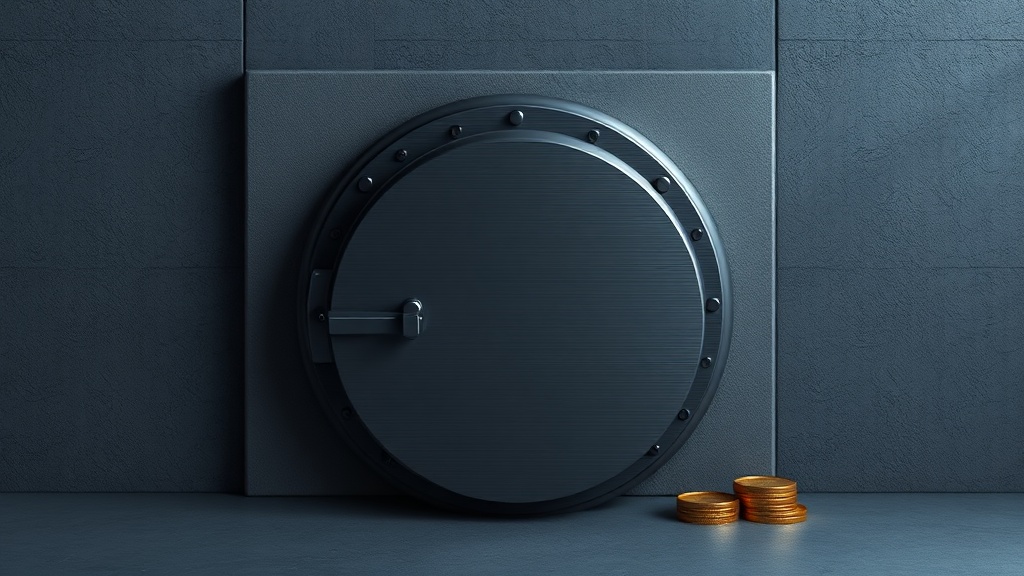
- Cold and hot wallet management: Storing the majority of user assets in offline cold wallets to reduce the risk of cyberattacks; a small portion of assets is kept in hot wallets to meet daily trading needs.
- Multi-signature mechanisms: Asset transfers require authorization from multiple parties, enhancing security.
- API Security: Protecting application programming interfaces from unauthorized access and misuse.
Despite these measures, exchanges still face risks such as hacking, internal theft, and bankruptcy. Historical incidents involving Mt. Gox and FTX serve as a reminder to users that it is crucial to choose a reputable platform with robust security measures and to manage their own assets properly.