ICSA Token Introduction and Dual-Chain Ecosystem
ICSA token is a crypto asset that exists on two major blockchain platforms: PulseChain and Ethereum. This dual-chain deployment means users can access and trade ICSA in different ecosystems. However, it's worth noting that the ICSA token's smart contract may allow its creator to modify parameters such as disabling sales, adjusting transaction fees, minting new tokens, or transferring existing tokens. Given this potential risk, all prospective investors are strongly advised to conduct thorough due diligence (DYOR) before engaging in any transactions.
ICSA Token Trading Channels

ICSA token trading primarily occurs through the following two types of platforms:
Decentralized Exchanges (DEXs)
For ICSA tokens, decentralized exchanges are the primary trading venues. These platforms allow users to connect directly via Web3 wallets (such as MetaMask, for Ethereum and EVM-compatible PulseChain networks) and swap tokens without the need for custody by a centralized institution.
- DEXs on the PulseChain Network: PulseX V2 is one of the most active trading platforms for ICSA on PulseChain, with HEX/ICSA being a major trading pair. Additionally, Phux and PulseX also support ICSA trading.
- DEXs on the Ethereum Network: Uniswap V3 is a well-known DEX on the Ethereum network that supports ICSA trading, also primarily featuring HEX/ICSA and other trading pairs.

DEX Trading Process Overview:
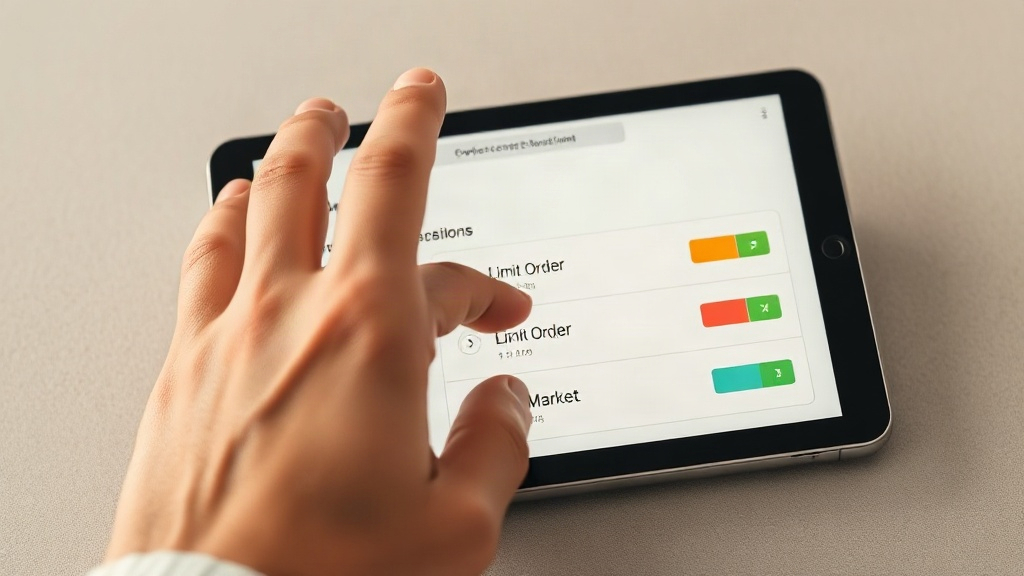
Users typically need to first have a Web3 wallet that supports the corresponding blockchain network and deposit a small amount of the network's native token (e.g., PLS for PulseChain, ETH for Ethereum) into the wallet for transaction fees. Then, by connecting the wallet to the DEX platform, selecting the ICSA token and the corresponding trading pair, users can perform swap operations.
Centralized Exchanges (CEXs)
Some centralized exchanges also offer ICSA trading services, but their liquidity may not be as robust as decentralized platforms. As of the time of writing, Bitget and BitMart are centralized platforms that provide ICSA trading services.
- Bitget: This platform offers ICSA trading services.
- BitMart: This platform also supports ICSA trading.

Other Platform Status:
- Binance: Currently does not directly offer spot trading services for ICSA. However, users can connect to the aforementioned decentralized exchanges via its Web3 wallet feature to swap ICSA.
- Coinbase: Currently does not directly support ICSA trading.
Please note that due to the rapid changes in the cryptocurrency market, listing status and trading pairs on various platforms may change at any time. Before trading, always verify the latest support status of the target platform yourself.
ICSA Token Market Performance and Risk Warning
The market performance of the ICSA token exhibits high volatility. According to historical data, its price has reached significant highs but has since fallen sharply from its all-time high. For example, the all-time high on PulseChain was $4.86, while on Ethereum it was $0.3069, but recent prices generally fluctuate between $0.002 and $0.01.

Trading Volume Overview (as of September 2, 2026):
- The total ICSA trading volume on PulseChain is approximately $12,600.
- The 24-hour trading volume for the HEX/ICSA pair on PulseX V2 is approximately $6,223.
- The ICSA trading volume on BitMart is approximately $1,173.
- The ICSA trading volume on Bybit is approximately $4,560.
- The ICSA trading volume on BingX is approximately $4,822 (as of July 2026).
- The ICSA trading volume on the Ethereum network is lower, at approximately $304.
Overall, the 24-hour trading volume of ICSA tokens varies across different platforms and networks, with relatively limited liquidity on some trading pairs and chains. Investors should pay attention to trading depth and slippage risk when trading.
Important Risk Warning:

- Smart Contract Modifiability: As mentioned earlier, there is a risk that the ICSA smart contract creator can modify it, which could affect the token's liquidity and user asset security.
- High Volatility: ICSA prices are highly volatile, having fallen sharply from historical highs, making it a high-risk asset.
- Liquidity Risk: Low trading volumes on some trading pairs and platforms may lead to wider bid-ask spreads and difficulty in executing trades quickly.
Given the above risks, investing in ICSA tokens requires extreme caution, and investors are advised to conduct a comprehensive assessment of the project's fundamentals, market trends, current valuation, and their own risk tolerance before committing funds.