


Bitcoin Payments: From Investment Tool to Everyday Application
Bitcoin (BTC), since its inception, has primarily been framed around its store-of-value and investment properties. However, with the continuous maturation of blockchain technology and the increasing sophistication of the cryptocurrency ecosystem, Bitcoin's utility as a payment method is gradually strengthening, beginning to permeate the daily lives of users worldwide.
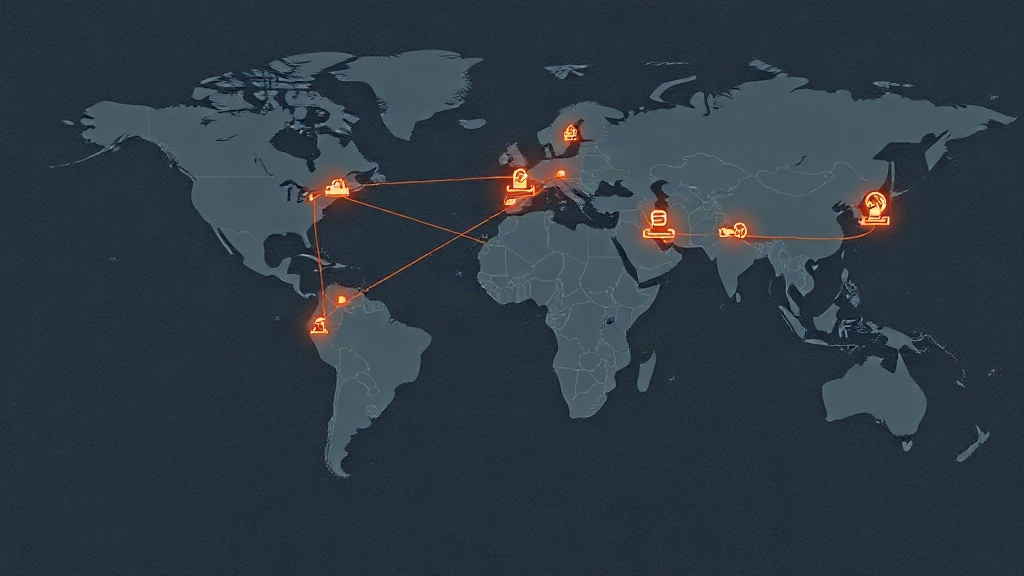
Global Adoption Status and Payment Trends
The evolution of Bitcoin as a payment method has not been an overnight process. As of January 2025, over 500 million users globally hold Bitcoin, demonstrating its broad user base. At the national level, El Salvador was the first to adopt Bitcoin as legal tender in 2021, a global precedent. Furthermore, countries such as the United States, Argentina, UAE, Switzerland, Singapore, Nigeria, the UK, and Bhutan have shown positive attitudes towards integrating cryptocurrencies.
Mainstream merchants are also increasing their acceptance of crypto payments. For instance, PayPal now supports users in making cryptocurrency payments at over 26 million merchants worldwide through its platform. Renowned companies like Microsoft, AT&T, Starbucks, Whole Foods, Home Depot, and Shopify also accept Bitcoin payments. For platforms that do not directly support Bitcoin, consumers can still spend indirectly by purchasing gift cards.
Notably, as of September 2026, small transactions below 0.01 BTC account for nearly 80% of all Bitcoin transactions, indicating a shift from large-scale investments to more frequent, smaller daily payments. On September 7th of the same month, Bitcoin's daily transaction volume approached 900,000, marking the fourth-highest record in history and reflecting a significant increase in on-chain activity. Corporate adoption of digital assets has also expanded beyond simple point-of-sale transactions to broader operational and financial functions such as settlement, payment partnerships, and financial management.

Technological Advancements and Payment Ecosystem
The widespread adoption of Bitcoin payments is inseparable from advancements in underlying blockchain technology, which have effectively improved transaction speed and security. Concurrently, the rise of crypto payment gateways and solution providers has significantly lowered the technical barrier for merchants to accept Bitcoin payments. Service providers like BitPay, Coinbase Commerce, Stripe, Binance Pay, and CoinPayments handle complex functions such as wallet compatibility, dynamic currency conversion, and automatic fiat conversion, enabling merchants to conveniently accept cryptocurrencies.
In addition to Bitcoin, emerging crypto payment methods such as stablecoins and Central Bank Digital Currencies (CBDCs) are continuously appearing. For example, Visa has announced support for USDC stablecoin settlement on its network, signaling deeper integration of digital currencies into the traditional financial system.
Considerations for Consumers and Merchants

Consumer Perspective:
- Advantages: Bitcoin payments offer global payment freedom, allowing users to conduct cross-border transfers anytime, anywhere, and maintain full control over their funds. Transactions are highly transparent, and cross-border fees are typically much lower than traditional banks. For underbanked regions, Bitcoin also provides significant financial inclusion.
- Disadvantages: Bitcoin's high price volatility is its biggest challenge as a payment method, as it can fluctuate significantly in a short period, leading to unstable purchasing power. Furthermore, for non-technical users, understanding and using Bitcoin wallets and transaction processes still present a certain level of technical complexity. Despite growing acceptance, the number of merchants supporting Bitcoin payments remains limited compared to traditional payment methods.
Merchant Perspective:
- Advantages: Accepting Bitcoin payments helps attract a new, tech-savvy customer base. Crypto transactions can achieve 24/7 instant or near-instant settlement, and transaction fees are generally lower than traditional payment processors. Moreover, the irreversible nature of Bitcoin transactions reduces chargeback risk for merchants, and the absence of sensitive personal information enhances security.
- Challenges: Similarly, Bitcoin's price volatility poses a risk to merchants, potentially leading to a decrease in revenue before settlement. Network congestion can result in longer transaction confirmation times and higher fees, impacting user experience. The lack of a global regulatory framework also creates compliance pressure and uncertainty for merchants.

Large enterprises with annual revenues exceeding $50 million are more inclined to offer crypto payment options, while SMEs have lower adoption rates due to technical barriers and currency volatility. As of the end of 2025, the actual usage rate of cryptocurrencies in global e-commerce transactions remains below 15%, indicating significant room for growth in its adoption as a payment method.
Regulatory Environment and Future Outlook
Governments worldwide have varied attitudes towards cryptocurrency regulation, with some actively promoting integration and others adopting a cautious or resistant stance. However, a global regulatory framework supporting cryptocurrency use is gradually taking shape. For example, the UK updated its Financial Services and Markets Act in 2023 to regulate digital assets. The U.S. Treasury Department has also begun collecting data from centralized Bitcoin exchanges and payment service providers for monitoring purposes, addressing potential money laundering and financial stability risks.
Despite numerous challenges, Bitcoin's potential and advantages as a decentralized global payment method cannot be overlooked. With continuous technological iteration, gradual refinement of regulatory frameworks, and increasing market acceptance, Bitcoin payments are expected to play a more significant role in the future. Investors and users can stay informed about Bitcoin's latest price trends and market dynamics through market information platforms like Svmuu to better grasp its development.

The platform information for sale in the article changes with the listing and delisting dynamics of various exchanges. Please refer to the official announcements of the exchanges.









