Polkadot (DOT) In-Depth Analysis
Polkadot is an open-source project founded by the Web3 Foundation, with the core vision of building an "internet of blockchains" aimed at enabling seamless data and asset transfer between different blockchains. Its unique architecture includes a central "Relay Chain" and multiple independent "Parachains" connected to it. This design not only provides shared security for all parachains but also significantly enhances the interoperability of the entire ecosystem.
DOT Tokenomics and Network Governance
The DOT token plays multiple critical roles within the Polkadot network. It is primarily used for:

- Network Governance: DOT holders can participate in network upgrade proposals, parameter adjustments, and other decision-making processes.
- Staking: Users stake DOT to support the operation and security of the Relay Chain and earn staking rewards.
- Coretime Purchase: Parachains need to purchase Coretime to connect to the Polkadot network and access the Relay Chain's computing resources.
Polkadot's on-chain governance system allows DOT holders to directly participate in network development and decision-making, fostering community-driven innovation and growth.
Recent Developments and Market Dynamics
Polkadot is actively pursuing several technical upgrades, including Polkadot 2.0, aimed at enhancing scalability and general decentralized computing capabilities, the Agile Coretime model, and the JAM (Join-Accumulate Machine) proposal. These developments signal a more flexible and efficient resource allocation mechanism for the network.
As of September 2026, Polkadot's network activity has significantly increased. Monthly active addresses doubled from 40,000 in August to 80,300, and monthly transaction volume grew by 116% to $4.7 billion during the same period. Furthermore, the 21Shares Polkadot ETF (TDOT) saw a net inflow of $663,000 in September 2026 after two months of dormancy, which may indicate a gradual return of institutional investor interest.
Advantages and Challenges
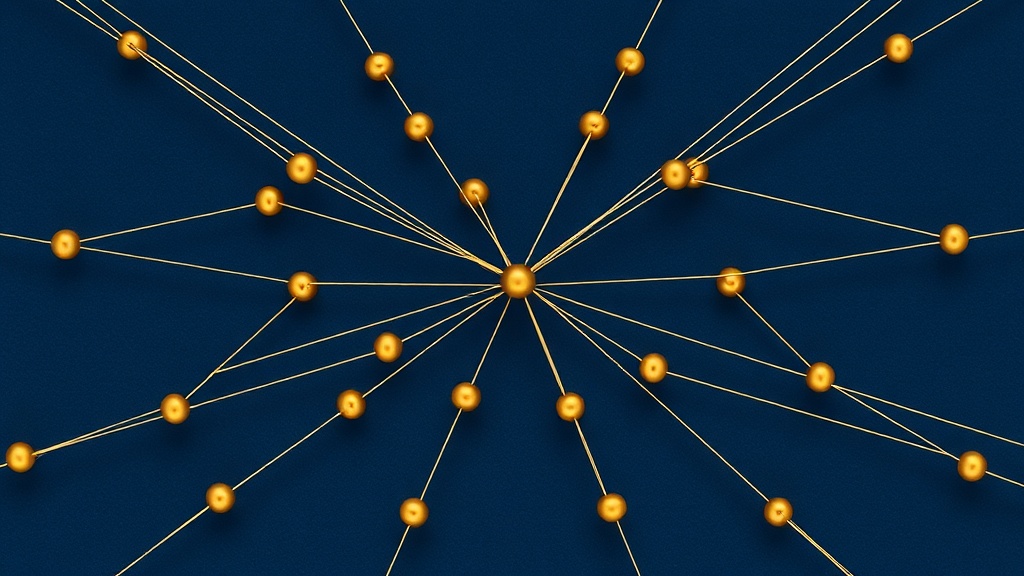
Polkadot's main advantage lies in its ability to connect different blockchains, effectively solving the interoperability challenges in the current fragmented blockchain ecosystem. Its innovative Relay Chain-Parachain architecture provides DApp developers with a highly customizable blockchain environment while enjoying shared security.
However, Polkadot also faces intense competition from Ethereum Layer-2 solutions, Solana, Cosmos, and other high-performance blockchain platforms. Additionally, the complexity of its technical architecture may, to some extent, pose a challenge for developer and new user adoption.
DOT Trading Channels
Please verify the actual trading channels for this coin on mainstream market data platforms.
Fantom (FTM) In-Depth Analysis
Fantom is a high-performance, scalable Layer-1 blockchain platform designed for decentralized finance (DeFi), decentralized applications (DApps), and enterprise-grade applications. It employs an asynchronous Byzantine Fault Tolerant (aBFT) consensus mechanism called the Lachesis protocol, combined with a Directed Acyclic Graph (DAG) algorithm, to achieve high transaction speeds, low costs, and robust security.
FTM Tokenomics and Network Governance

The FTM token is the native cryptocurrency of the Fantom network, and its primary uses include:
- Staking: Users can stake FTM to participate in network consensus, maintain network security, and earn rewards.
- Governance: FTM holders have the right to participate in network governance, voting on the future direction of the protocol.
- Paying Network Fees: FTM is used to pay transaction fees (Gas fees) on the network.
Fantom's Gas Monetization program is an innovative mechanism that shares 15% of the network's generated Gas fees with DApps, aiming to provide a sustainable revenue stream for ecosystem projects and thus incentivize developers to build and maintain applications.
Recent Developments and Market Dynamics
The Fantom network is undergoing a major upgrade, planning to convert its FTM tokens on the Ethereum network to native tokens of the Sonic (S) network. This Sonic upgrade aims to significantly enhance network scalability, governance capabilities, and overall functionality, targeting a transaction processing speed of 2,000 transactions per second (TPS) and reducing finality time to 1.1 seconds. The market generally holds positive expectations for the Sonic upgrade.
As of September 2026, Fantom announced the launch of the USDC.e stablecoin and is actively advancing its network upgrade plans, which have had a somewhat positive impact on FTM's price. Fantom's lead developer, Andre Cronje, is also actively promoting the development of the memecoin ecosystem on the platform.

Fantom's market capitalization data is displayed as "--" or $0.00 in some sources, which may reflect delayed data updates or differences in statistical methods. However, its fully diluted valuation (FDV) is approximately $144 million, with a circulating supply of about 2.8 billion FTM and a maximum supply of 3.175 billion FTM.
Advantages and Challenges
Fantom is known for its high performance and efficient transaction processing capabilities, with fast transaction speeds and low costs, providing a good operating environment for DeFi and DApps. The Gas Monetization program also offers economic incentives for the long-term development of ecosystem projects.
However, Fantom also faces intense competition from other Layer 1 blockchains such as Solana, Avalanche, and Sui, as well as Layer 2 solutions like Arbitrum and Polygon, all of which are vying for developer and user resources.
FTM Trading Channels
FTM tokens can be traded on exchanges that support this asset, such as Bitstamp by Robinhood and Gemini.

Summary and Outlook
Polkadot and Fantom, as highly anticipated projects in the crypto market, each demonstrate unique potential in different sectors. Polkadot is dedicated to solving the grand vision of blockchain interoperability and shared security through its multi-chain architecture, while Fantom focuses on providing a high-performance, low-cost Layer-1 platform to meet the speed and efficiency demands of DeFi and DApps. Both are continuously iterating and innovating to adapt to the rapidly changing blockchain landscape. Investors considering participation in these projects should fully understand their technical characteristics, market positioning, and potential risks.
The platform information mentioned in the article is subject to change as exchanges list and delist assets; please refer to official exchange announcements.