



What is a BRC-20 Wallet?
BRC-20, often written as BRC-20, is an experimental fungible token standard based on the Bitcoin blockchain's Ordinals protocol. It inscribes JSON data containing information such as deployment, minting, and transfers into satoshis, the smallest unit of the Bitcoin network, forming inscriptions that can be recognized by on-chain indexers. A BRC-20 wallet is a wallet that can recognize these inscriptions, calculate token balances, and provide functions such as receiving, transferring, minting, or market access.
Unlike Ethereum's ERC-20, BRC-20 does not rely on smart contracts to execute transfer logic. The Bitcoin network is only responsible for recording data; the actual calculation of who holds how many tokens is typically done by wallets or third-party indexers. Therefore, whether a wallet supports BRC-20 is not just about its ability to store Bitcoin, but crucially, its ability to correctly read Ordinals inscriptions and indexing rules.
Why Regular Bitcoin Wallets May Not Be Sufficient
Regular Bitcoin wallets primarily manage BTC balances and UTXOs, and may only display native assets on the Bitcoin network. BRC-20 tokens are attached to satoshis and inscription data, requiring additional parsing. If a wallet does not support the relevant standards, users might see their Bitcoin balance but not their BRC-20 tokens, or be unable to complete transfers.
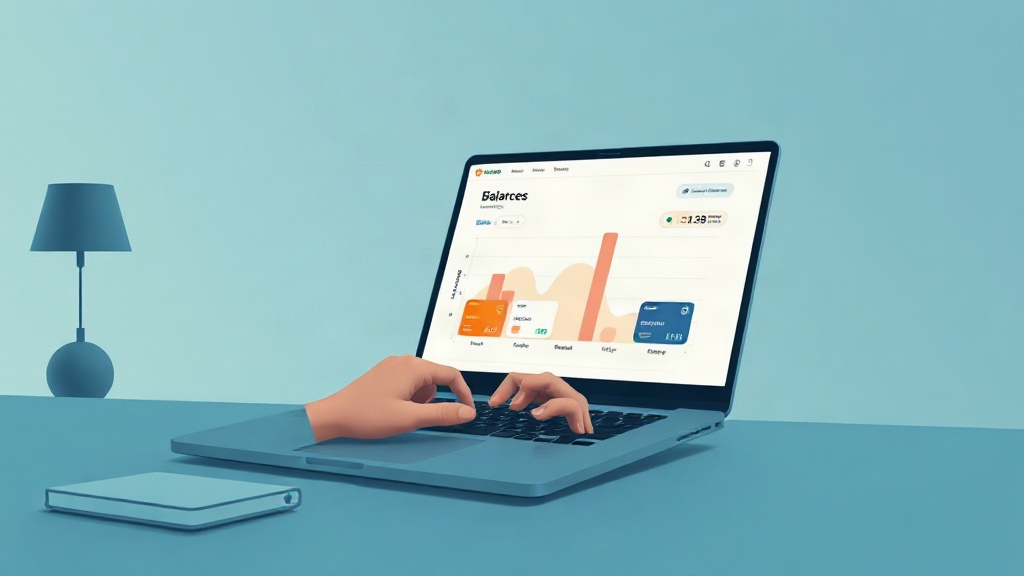
Regarding transfers, BRC-20 operations typically involve Bitcoin network transactions. Some operations require multiple transaction confirmations, which may incur fees and waiting times. During network congestion, fees may increase. Users should pay attention to the wallet's prompts regarding fees, confirmation count, and transaction status, rather than just looking at the displayed token balance.
Origin and Representative Assets of BRC-20
In March 2023, anonymous developer Domo proposed the BRC-20 standard, inspired by the Ordinals protocol launched by Casey Rodarmor in early 2023. The first BRC-20 token, ORDI, was deployed under this standard, with a total supply of 21 million. In its early stages, BRC-20 garnered market attention, with ORDI's price briefly exceeding $10 and its market capitalization surpassing $200 million in May 2023, but this is historical performance and does not represent current performance.
Common BRC-20 Wallet Types
BRC-20 wallets can generally be categorized into browser extensions, mobile, desktop, and hardware wallets. Different wallets focus on different functionalities; some prioritize inscription browsing, others transfers, and some work with hardware devices to protect private keys.
- UniSat Wallet: A non-custodial browser extension wallet, often mentioned in conjunction with Ordinals and BRC-20 asset management, typically offering transfer and market functionalities.
- Xverse: Supports iOS, Android, and Chrome environments, used for managing Ordinals, BRC-20, and Runes and other Bitcoin network assets.
- OKX Wallet: A non-custodial wallet available on mobile and desktop, supporting Ordinals and BRC-20 related asset management, and providing market access.
- Leather: A wallet for the Bitcoin ecosystem, formerly known as Hiro Wallet, supporting Ordinals and BRC-20 related functionalities.
- Hardware Wallet Solutions: Protect private keys through hardware devices, but whether they can directly manage specific types of inscribed assets depends on firmware, applications, and supporting desktop wallet compatibility.
In addition to the above types, desktop, mobile, and third-party wallets may also offer BRC-20 support. When choosing, users should refer to official documentation and current versions, not just promotional pages.
How to Determine if a Wallet is Suitable for BRC-20
- Does it explicitly support Ordinals and BRC-20, rather than just Bitcoin transfers?
- Does it support your device, including browser extensions, iOS, Android, desktop, or hardware devices?
- Does it provide balance indexing, transaction signing, transfer confirmation, and transaction status viewing?
- Does it clearly state whether it is non-custodial or custodial, and who controls the private keys?
- Does it have official documentation, version updates, and security advisories to avoid using installation packages from unknown sources?
Common Risks of Using BRC-20 Wallets
First, the standard is still evolving. BRC-20 is described by its creator as an experimental standard, and indexing rules, wallet implementations, and transaction methods may change. If a wallet's indexer is inconsistent with the user's understanding, balance display anomalies may occur.
Second, transaction costs and network congestion. BRC-20 operations may occupy Bitcoin network block space, and transaction fees may not be low. Users should confirm fees before sending and prioritize small test transactions.
Third, private key and seed phrase risks. Non-custodial wallets mean users are responsible for safeguarding their own keys. Seed phrase leaks, phishing websites, fake wallet applications, or incorrect transfers can all lead to irreversible loss of assets.
Fourth, market and liquidity risks. BRC-20 tokens vary greatly, and some assets may lack active trading channels. The current availability on mainstream platforms needs to be verified with official pages and real-time data; in situations of insufficient liquidity, orders, trades, and prices may deviate from expectations.









