



rETH Token Introduction: Liquid Staked Ethereum Token
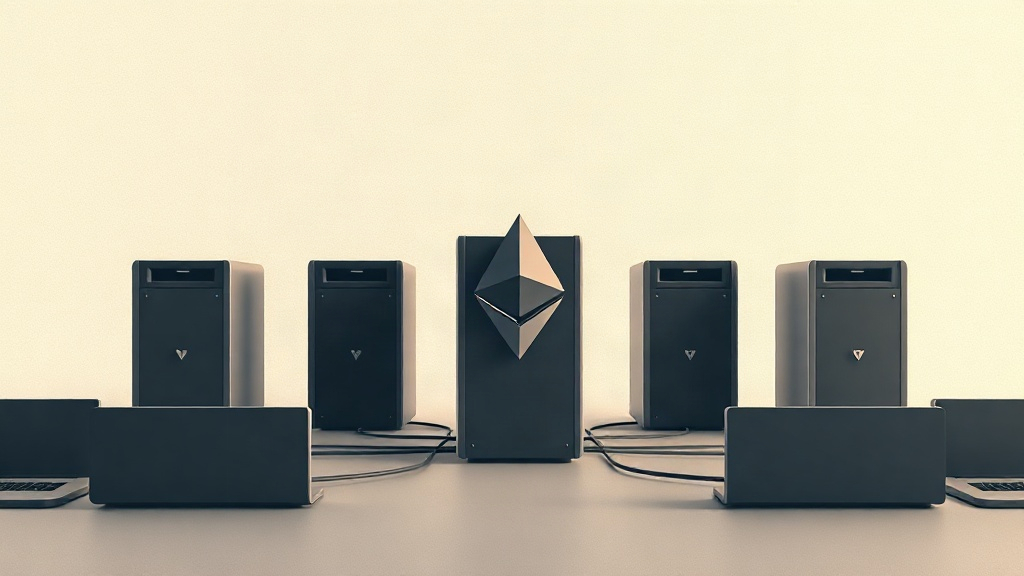
rETH, short for Rocket Pool ETH, is a liquid staking token on the Ethereum network. It represents the Ethereum (ETH) staked by users in the decentralized Rocket Pool protocol, along with the staking rewards accumulated over time. By holding rETH, users can participate in ETH staking and earn returns without meeting the Ethereum mainnet's minimum 32 ETH staking requirement or dealing with complex technical operations.
It is worth noting that there is also an Ethereum client called "Reth" in the Ethereum ecosystem, used by institutions like Coinbase for production staking environments. However, this client and the rETH token discussed in this article are two distinct concepts.
Core Functions and Advantages of rETH

- Lower Staking Threshold: rETH allows users to stake any amount of ETH, with a minimum of 0.01 ETH, significantly lowering the barrier for individuals to participate in Ethereum staking.
- Maintain Asset Liquidity: After staking ETH to obtain rETH, users' assets are not locked. rETH tokens can be freely traded or used in various decentralized finance (DeFi) applications, providing liquidity not available with traditional ETH staking.
- Continuous Value Growth: The value of rETH relative to ETH continuously grows with the staking rewards accumulated within the Rocket Pool protocol. This means that while the number of rETH held by users remains constant, the value of the ETH it represents increases over time.
- Decentralized Nature: Rocket Pool is a highly decentralized protocol with over 2,500 node operators. This architecture helps avoid risks associated with centralized staking providers, thereby enhancing the overall security and censorship resistance of the Ethereum network.
- Protocol History and Security: The Rocket Pool protocol began development in 2016 and officially launched in November 2021, making it one of the oldest and most trusted decentralized Ethereum staking solutions. The protocol has undergone multiple rigorous security audits and employs a "Watchtower node" mechanism to monitor network issues, further safeguarding user assets.
Rocket Pool Protocol Overview
The Rocket Pool protocol is the issuer and manager of rETH, dedicated to providing permissionless decentralized Ethereum staking services. In this protocol, ETH holders can deposit ETH into the protocol to obtain rETH, thereby participating in staking. Simultaneously, node operators run "minipools," providing 16 ETH and RPL tokens as collateral, to offer validation services to the network and earn commissions and RPL rewards.
rETH Market Performance and Data
As of October 14, 2026, rETH market data is as follows:
- Price: rETH price fluctuates between $2880.08 and $2976.26.
- 24-hour Trading Volume: 24-hour trading volume ranges from $249,208 to $1,119,345.
- Market Cap: rETH's market capitalization is approximately $914.2 million to $938 million.
- Circulating Supply: The circulating supply of rETH is approximately 317,400 to 320,000 tokens.
- Annual Percentage Yield (APY): The real-time APY is approximately 2.18%.
The exchange rate between rETH and ETH is dynamic. For example, if the conversion rate is "1 rETH = 1.1 ETH," deposited ETH will be converted to rETH at this ratio. The actual conversion rate changes over time, reflecting accumulated staking rewards.
Future Development Prospects of rETH
The future development prospects of rETH are closely linked to the continuous upgrades of the Ethereum network, the expansion of the DeFi ecosystem, and the demand for decentralized solutions.
Firstly, as Ethereum's transition to a full Proof-of-Stake (PoS) network matures, demand for ETH staking is expected to continue growing. By lowering staking barriers and providing liquidity, rETH can attract a broader range of ETH holders to participate in staking, thereby solidifying its position in the liquid staking sector.
Secondly, rETH's integration into the DeFi ecosystem is a key driver of its value growth. As a yield-bearing token, rETH can be used as collateral, a trading pair, or to earn additional returns in various DeFi protocols, which brings it broader use cases and demand. The community and analysts generally believe that rETH's advantages in decentralization and liquidity give it unique appeal in competition with other liquid staking tokens.
Finally, the Rocket Pool protocol's inherent decentralized nature and strong community support help it withstand potential centralization risks and ensure the protocol's long-term stability and security. These factors collectively form a positive foundation for rETH's future development.
Trading and Acquiring rETH
rETH tokens can be traded on cryptocurrency exchanges that support the asset. Users can acquire rETH through these platforms and participate in Ethereum's liquid staking ecosystem.









