



Origin and Core Philosophy of the HODL Strategy
The term "HODL" originated from a misspelling of "hold" on a Bitcoin forum in 2013, and has since evolved into a widely recognized investment strategy in the cryptocurrency space. Its core idea is to hold cryptocurrencies for an extended period, without easily selling due to short-term market fluctuations. This strategy has also been interpreted as "Hold On for Dear Life," emphasizing firm holding during severe market volatility and testing investors' psychological resilience.
HODL is essentially a passive investment strategy, where investors choose to hold an investment for the long term, regardless of price changes or market sentiment. This strategy requires a strong psychological state to resist market panic or short-term temptations.
Why Bitcoin is Suitable for the HODL Strategy
Not all cryptocurrencies are suitable for the HODL strategy. Only a few assets, such as Bitcoin, which have maintained a long-term price growth trend after multiple bull and bear market cycles, are more suitable for this long-term holding strategy. Bitcoin's scarcity, decentralized nature, and growing network effect make it the preferred choice for many long-term investors.
On April 20, 2024, Bitcoin completed its fourth halving, reducing mining rewards from 6.25 BTC to 3.125 BTC. Historical data shows that halving events typically reduce the supply of new coins, positively impacting long-term prices. This also prompts some miners and investors to accumulate coins to hedge against potential losses from decreased production.
Practical Methods and Auxiliary Indicators for Accumulating Coins
For investors looking to implement the HODL strategy, combining it with Dollar-Cost Averaging is an effective method. This involves regularly investing a fixed amount to purchase Bitcoin, thereby averaging out the purchase cost and reducing the impact of market volatility.
Additionally, some auxiliary indicators can help investors better grasp market timing, such as:
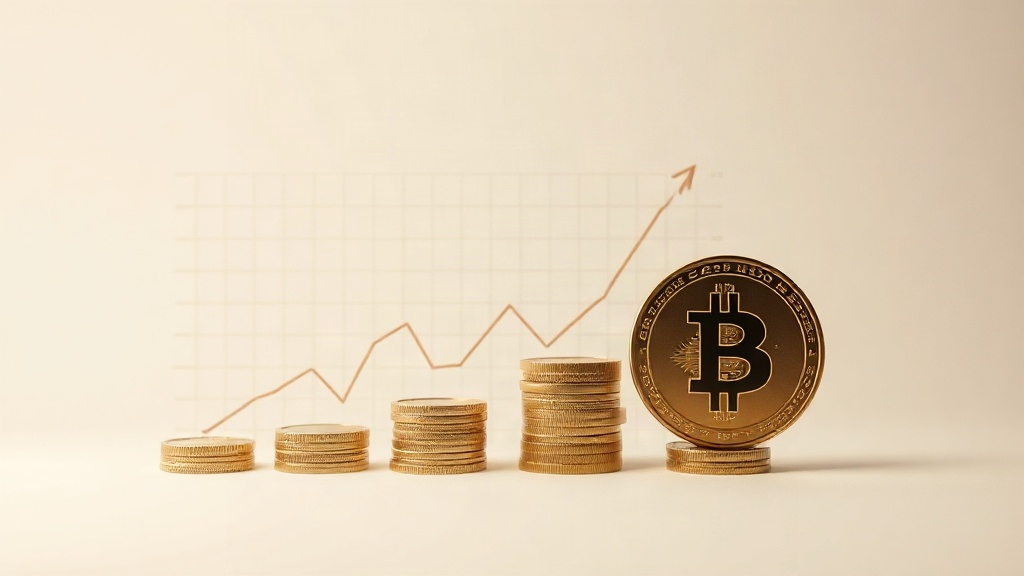
- AHR999 HODL Indicator: Created by Weibo user ahr999, this indicator aims to assist Bitcoin dollar-cost averaging users in making investment decisions by combining timing strategies. When the AHR999 index is less than 0.45, bottom-fishing can be attempted; between 0.45 and 1.2, it is suitable for dollar-cost averaging; above 1.2, the price is high and not suitable for operation; above 4, it may have entered a high-level operating range, and caution is needed for potential top-selling.
- Other Valuation and Sentiment Indicators: These include MVRV (Market Value to Realized Value Ratio), MVRV-Z Score, Bitcoin Rainbow Chart, Fear & Greed Index, Bitcoin Net Unrealized Profit/Loss (NUPL), and Reserve Risk. These indicators can be used to assess market sentiment and investment timing, assisting investors in making more informed decisions.
From a historical return perspective, Bitcoin has seen a gain of over 350 times since its low point in 2013 (approximately $150), demonstrating its long-term growth potential.
Risks and Challenges of the HODL Strategy
Despite the excellent performance of the HODL strategy in Bitcoin's history, investors still need to be aware of its accompanying risks:
- High Volatility: The cryptocurrency market is highly volatile, which can lead to investors losing most or all of their investment.
- Limited Historical Data: As an emerging asset class, cryptocurrency has a relatively short history, making it difficult to accurately predict long-term trends and behaviors.
- Regulatory Uncertainty: The global cryptocurrency regulatory environment is still in its early stages of development, and future changes in laws and regulations may adversely affect Bitcoin's price and liquidity.
- Security Risks: Including private key leaks, cyberattacks, etc. It is recommended to separate trading funds from long-term holdings and store long-term assets in a cold wallet to enhance security.
- Lack of Intrinsic Value: Bitcoin lacks intrinsic value in the traditional sense, and its value may ultimately not be universally recognized, which differs from traditional assets.
Bitcoin Trading and Storage
For investors looking to accumulate coins, choosing a reliable trading platform for purchases and properly storing assets is crucial. Bitcoin can be traded on several major exchanges, such as Binance, Bybit, Gate, Pionex, and CoinW. After purchasing, it is recommended to transfer long-term held Bitcoin to a self-custodial cold wallet (such as a hardware wallet) to minimize the risk of theft.
The platform information mentioned in the text changes with the listing and delisting dynamics of various exchanges; please refer to the official announcements of the exchanges for the latest information.









