



Digital Asset Trading Market Overview
As of October 2026, the global digital asset trading market has entered a more mature phase. Centralized exchanges (CEX) remain at the core of cryptocurrency trading, with over four-fifths of trading volume completed through CEXs. Despite an overall decline of nearly 40% in cryptocurrency trading volume in Q1 2026, the custodial assets of major CEXs have shown significant growth. As of the end of February 2026, the total assets of the 12 largest centralized exchanges reached $225.4 billion, a 69.6% increase from early 2024.
Market differentiation is primarily reflected in product depth, derivatives infrastructure, token selection, and overall trading experience. Meanwhile, regulatory compliance has become a fundamental requirement for exchange operations. For example, Binance's withdrawal from certain EU markets in September 2026 due to its failure to obtain a MiCA license demonstrates the direct impact of the regulatory environment on platform operations. Additionally, decentralized exchanges (DEXs) continue to grow their market share, especially in the derivatives sector, where on-chain platforms are competing with centralized giants.
Analysis of Major Digital Asset Trading Platforms
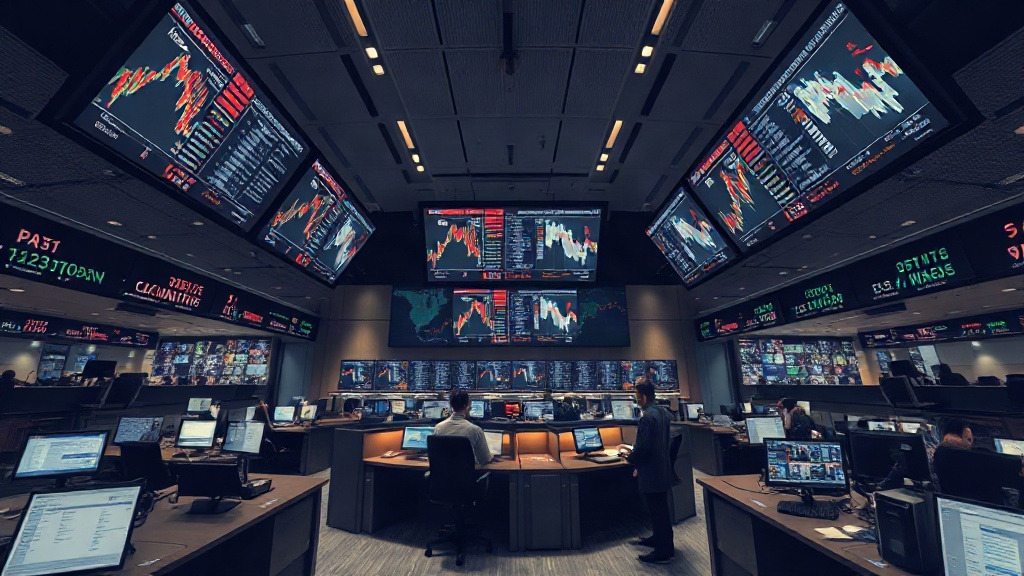
Below are some representative platforms and their characteristics in the current global digital asset trading market:
- Binance: In 2026, Binance remains the world's largest cryptocurrency exchange, with its 24-hour spot trading volume typically exceeding $11 billion, covering 2087 markets and 632 tokens. Binance accounts for approximately 38% to 39% of the market share among the top ten spot trading volumes. The platform is renowned for its extensive asset selection and excellent trading execution environment, making it particularly suitable for trading Bitcoin, Ethereum, and the top 50 market cap tokens. As of the end of February 2026, its reserve assets reached $93.4 billion, with a spot trading fee rate of approximately 0.1%.
- Coinbase: As one of the most strictly regulated platforms in the United States, Coinbase enjoys high trust and compliance in the US market, making it the preferred choice for US users and institutional clients who prioritize regulatory compliance. In Q1 2026, Coinbase accounted for a record 8.6% of the top ten spot trading volumes and held approximately 12% of exchange-custodied crypto assets. In Q2 2025, its custodial assets exceeded $280 billion, with institutional clients accounting for 40%. Notably, its retail user trading fees are relatively high, up to 1.2%, and 98% of user assets are stored in offline cold wallets, with security being highly recognized.
- OKX: OKX is known for its most complete Web3 integration, serving as a comprehensive platform that integrates a Web3 wallet, on-chain ecosystem, and NFT marketplace, suitable for users looking to explore DeFi and NFTs. In 2025, OKX surpassed Binance in monthly derivatives trading volume. Its spot trading fees range from 0.08% to 0.1%, and contract trading fees are 0.02% to 0.05%.
- Bybit: Considered the second-largest spot trading platform in 2026, Bybit excels in derivatives depth, rewards, and product innovation, making it particularly suitable for active traders and derivatives trading. Its spot trading fees are 0.1%, and contract trading fees are 0.01% to 0.06%.
- MEXC: MEXC is known for its extremely low fee structure (especially zero maker fees) and extensive token listings, attracting users interested in emerging assets and high-frequency trading. Its spot trading fees are 0.1%, and contract trading fees are 0.02%.
- Kraken: Kraken is renowned for its strong security record and high trustworthiness, considered one of the safest exchanges in the industry in terms of regulation, disclosure, and operational history.
- Gate.io: Gate.io is active in the emerging asset sector, offering a wide selection of assets and one-stop digital asset trading and financial services.
- KuCoin: KuCoin focuses on altcoins and passive income opportunities, daring to embrace more small-cap coins and new projects.
- Bitget: Bitget specializes in derivatives, being the third-largest cryptocurrency trading platform globally, with its ecosystem user base exceeding 120 million, particularly excelling in copy trading.
Derivatives Market and Decentralization Trend
The digital asset derivatives market is significantly larger than the spot market, with futures and perpetual contracts accounting for 70% to 90% of total trading volume, with a daily trading volume of approximately $273 billion. This trend indicates that many active traders prefer to use derivatives instruments for risk management or speculation.
Meanwhile, decentralized exchanges (DEXs) continue to capture market share from centralized exchanges. For example, Hyperliquid, as an on-chain derivatives platform, competes with centralized giants in the derivatives market, indicating that on-chain derivatives are no longer a niche market but an increasingly important component of the digital asset trading ecosystem.
Considerations for Choosing a Trading Platform

When choosing a digital asset trading platform, users should consider the following factors:
- Security: The platform's security record, asset storage methods (cold/hot wallet ratio), and preventive measures.
- Fee Structure: Trading fees (maker/taker fees), withdrawal fees, etc.
- Products and Services: Supported token types, spot and derivatives trading, staking, lending, and other additional services.
- Compliance: Whether the platform operates compliantly in the user's jurisdiction and its level of regulation.
- User Experience and Liquidity: Ease of use of the trading interface, order book depth, and trade execution speed.
Please note that the digital asset market is highly volatile, and investments carry risks. Always conduct thorough research and make decisions cautiously.









