Shiba Inu (SHIB) Overview
Shiba Inu (SHIB) is a decentralized cryptocurrency based on the Ethereum blockchain, launched in August 2020 by an anonymous creator known as "Ryoshi." Initially conceived as a community-driven meme project, it has evolved into an ecosystem that includes a multi-token system (SHIB, LEASH, BONE) and the decentralized exchange ShibaSwap. Its Layer-2 solution, Shibarium, aims to reduce transaction costs and improve network throughput.
How to Sell SHIB?
There are several primary ways to sell SHIB tokens, and users can choose based on their needs, familiarity with the platform, and local compliance requirements.
- Selling via Centralized Exchanges (CEX): This is the most common and relatively straightforward method. Users need to register an account on a SHIB-supporting exchange, complete identity verification (KYC), deposit SHIB into the exchange wallet, then place a sell order on the trading market to convert it into stablecoins like USDT, USDC, or directly into fiat currency (e.g., USD, EUR), and finally withdraw to a bank account.
- Selling via Decentralized Exchanges (DEX): Users can connect a Web3 wallet like MetaMask to ShibaSwap or other SHIB-supporting DEXs (e.g., Uniswap) to directly swap SHIB for ETH or other ERC-20 tokens. This method does not require registration but incurs Ethereum network gas fees, making the operational threshold relatively higher.
- Selling via Peer-to-Peer (P2P) Platforms: Some exchanges (e.g., Binance, OKX) offer P2P trading features, allowing users to directly match with other individual traders to sell SHIB for fiat currency at an agreed-upon price. This method may offer more payment options but requires users to assess the counterparty's credit risk themselves.
Where is SHIB Traded?
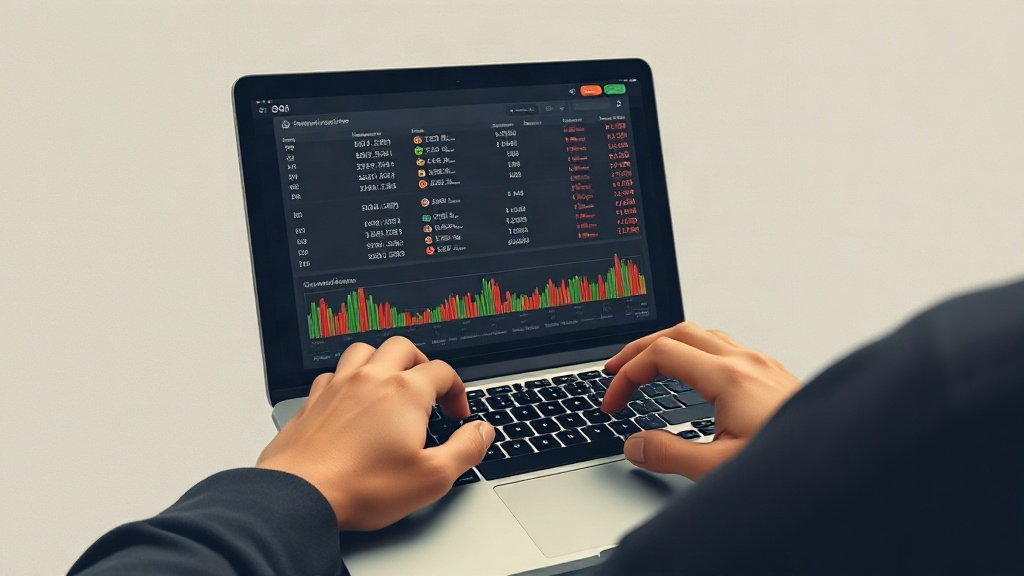
SHIB has a wide global trading market with ample liquidity. Its main trading channels include:
- Major Centralized Exchanges: SHIB is listed on leading global platforms such as Binance, Coinbase, Kraken, KuCoin, OKX, Gate.io, Bybit, and Gemini, offering high liquidity and trading depth.
- Trading Pair Types: The most common trading pairs are SHIB with various stablecoins (e.g., SHIB/USDT, SHIB/USDC, SHIB/FDUSD) and major cryptocurrencies (e.g., SHIB/BTC, SHIB/ETH). Some exchanges also support direct fiat trading pairs for SHIB with Korean Won (KRW), Brazilian Real (BRL), Euro (EUR), Japanese Yen (JPY), etc.
- Decentralized Exchanges: Its native ecosystem DEX, ShibaSwap, is a significant trading venue, and there are also active trading pools on major DEXs like Uniswap.
Considerations for Selling
When selling SHIB, several key points need to be considered:
- Transaction Fees: These include exchange trading fees, withdrawal fees, and network gas fees required when using DEXs or performing on-chain transfers.
- Market Liquidity: Choosing trading pairs with good depth and high trading volume on mainstream exchanges can make it easier to complete large transactions at a price close to the market, reducing slippage losses.
- Price Volatility: The cryptocurrency market is highly volatile, and the market price at the time of sale may differ from expectations.
- Tax Compliance: In many jurisdictions, profits generated from selling cryptocurrencies may need to be declared and subject to capital gains tax. It is crucial to understand and comply with local regulations.
- Security and Compliance: Always use reputable platforms with robust security measures and ensure operations comply with platform terms of service and local laws and regulations.