Top Crypto Platforms: User Activity and Ecosystem Composition
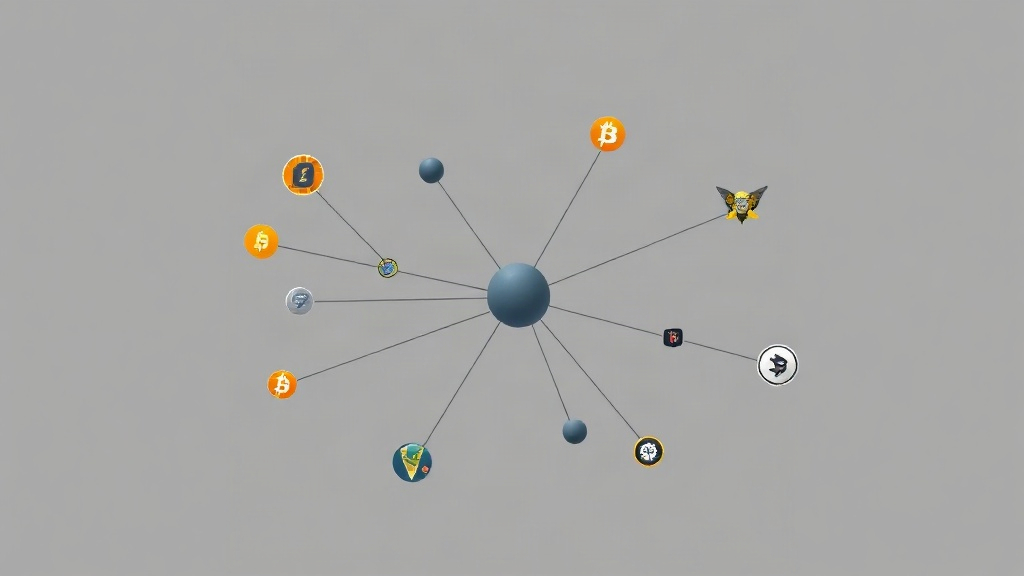
The cryptocurrency market is maturing, with various platforms diversifying in user engagement and functional positioning. From daily trading to market analysis and community interaction, users can participate in the crypto ecosystem through a variety of tools and channels. Below are some of the main types of platforms currently experiencing high user activity in the crypto space.
Trading Platforms
- Binance: As the world's largest cryptocurrency exchange, Binance attracts a large number of users with its massive trading volume and market share.
- OKX: With tens of millions of users, OKX offers comprehensive trading services and Web3 wallet functionality, making it a key choice for global users.
- Bitget: As of August 2025, its ecosystem user base has exceeded 120 million, with an average daily trading volume of $20 billion, making it a leading global cryptocurrency trading platform.
- Coinbase: As one of the largest compliant cryptocurrency exchanges in the United States, Coinbase serves over 100 countries and is included in the S&P 500 index, attracting significant attention from traditional financial markets.
- Bybit: With over 80 million registered users, Bybit excels in derivatives trading, offering a wide range of trading products.
- HTX/Huobi Global: A globally renowned digital currency trading platform, it was once one of the largest cryptocurrency trading platforms by volume worldwide.
- Kraken: Founded in 2011, Kraken is one of the longest-operating cryptocurrency exchanges, known for its stable operations.
Market Data and Tool Platforms
- CoinMarketCap: Provides comprehensive cryptocurrency market data and statistics, covering market capitalization rankings, price changes, and trading volumes for thousands of cryptocurrencies.
- TradingView: A popular online charting and data analysis platform among cryptocurrency traders, offering real-time market data and a rich set of technical indicators.
Social and Information Platforms
- Telegram: Known for its strong encryption technology, it is an important platform for anonymous communication and project discussions among crypto project teams and users.
- Twitter: As a global cryptocurrency intelligence hub, information spreads rapidly, making it a key channel for publishing market dynamics, trading strategies, and industry insights.
- Discord: Many project teams establish official communities here, where users can interact in real-time, discuss technical issues, and get project updates.
- Reddit: Offers in-depth discussion subreddits, where users can research specific cryptocurrencies or blockchain technologies and participate in professional discussions.
Top Ten Secure Cryptocurrency Trading Platforms
When choosing a cryptocurrency trading platform, security is the primary concern for users. The following ranking combines assessments from multiple sources regarding platform security, compliance, user asset protection mechanisms, historical records, and market reputation, with data points mostly from 2025 to 2026.
- Binance
- Security Measures: Established a $1 billion SAFU (Secure Asset Fund for Users), employs bank-grade SSL encryption technology and real-time AI risk control systems, and is certified with ISO 27001 Information Security Management System.
- Compliance: Holds licenses, registrations, and approvals in multiple jurisdictions.
- Market Performance: According to 2025 data, its 24-hour trading volume consistently ranges from $60 billion to $80 billion, with a market share of 38%.
- OKX
- Security Measures: Consistently publishes monthly Proof of Reserves (PoR) based on zero-knowledge proof (zk-STARK) technology, ensuring 1:1 full transparent custody of user assets; deploys AI-driven abnormal behavior detection systems and uses multi-signature cold wallet storage solutions.
- Compliance: Achieved an AA+ rating in product innovation, liquidity depth, and system stability (TokenInsight 2025 Derivatives Exchange Rating).
- Coinbase
- Security Measures: As a Nasdaq-listed company, over 98% of assets are in cold storage, utilizing multi-signature wallet technology and a distributed server architecture.
- Compliance: Possesses extremely stringent regulatory compliance qualifications, highly trusted by traditional financial institutions.
- Kraken
- Security Measures: Founded in 2011, it is one of the longest-operating cryptocurrency exchanges, holding a BitLicense issued by the New York Department of Financial Services (NYDFS), and is known for its history of no major security incidents.
- Bybit
- Security Measures: Regularly publishes Merkle Tree Proof of Reserves, ensuring 1:1 on-chain full reserves of user assets; employs Threshold Signature Scheme (TSS) and multi-signature cold wallet technology.
- Bitget
- Security Measures: Features 100% Merkle Tree Proof of Reserves, providing bank-grade security protection for user assets.
- Market Performance: As of August 2025, its ecosystem user base has exceeded 120 million, with an average daily trading volume of $20 billion.
- Gate.io
- Security Measures: Received a CoinGecko Trust Score of 10/10, CER.live AA rating, and a Hacken three-star certificate.
- Features: Supports multi-chain asset custody, compatible with mainstream blockchain protocols such as EVM, Solana, and Cosmos.
- KuCoin
- Security Measures: Pioneered a "Community Insurance Fund," jointly supervised by users, designed to cope with extreme market volatility.
- Bitstamp
- Security Measures: As a long-established European exchange, it employs military-grade firewalls and two-factor authentication mechanisms.
- Gemini
- Security Measures: One of the few US exchanges that offers both FDIC cash insurance and crypto asset insurance, considered one of the most secure platforms.
Key Stakeholders and Market Perspectives
The security and user activity of the cryptocurrency market are focal points for multiple parties.
- Exchanges: Generally emphasize security measures such as cold and hot wallet separation, multi-signature technology, user protection funds, compliance licenses, and proof of reserves to enhance user trust.
- Blockchain Security Agencies: Such as CertiK and SlowMist, regularly publish exchange security assessment reports, listing platform security, compliance qualifications, and user asset protection mechanisms as core evaluation criteria.
- Regulatory Bodies: Such as the U.S. Securities and Exchange Commission (SEC) and the New York Department of Financial Services (NYDFS), continuously strengthen regulation of the cryptocurrency industry, pushing mainstream trading platforms to improve compliance standards and system security.
- Investors: When choosing a platform, in addition to focusing on fund security, they also prioritize factors such as trading liquidity, trading fees, and product diversity.