Cryptocurrencies Supported by imToken
imToken, a widely popular digital asset wallet, supports various mainstream blockchain networks and their tokens. According to updates as of October 24 or October 17, 2026, imToken's supported asset range is extensive, covering the following main categories:
- Mainstream Layer-1 Blockchains: Supports 15 mainstream Layer-1 blockchains, including Ethereum (ETH), Bitcoin (BTC), Cosmos (ATOM), TRON (TRX), Nervos (CKB), Bitcoin Cash (BCH), Litecoin (LTC), Kusama (KSM), Polkadot (DOT), Filecoin (FIL), Tezos (XTZ), Dogechain (DOGE), and TON (GRAM).
- Layer 2 Networks: Compatible with multiple Ethereum Layer 2 scaling networks such as Arbitrum, Optimism, zkSync Era, Base, Scroll, and Linea, aiming to provide faster transaction speeds and lower costs.
- EVM-Compatible Chains: Supports Ethereum Virtual Machine (EVM)-compatible blockchain networks like BNB Smart Chain (BSC), Avalanche (AVAX), Polygon (POL), and X Layer (OKB), making it convenient for users to manage assets within these ecosystems.
- Token Standards: Fully supports mainstream token standards like ERC20, TRC10, TRC20, as well as NFTs (Non-Fungible Tokens) based on ERC721 and ERC1155 standards.
- Stablecoins: Supports various major stablecoins such as USDT, USDC, DAI, FDUSD, TUSD, USDe, GHO, and crvUSD, meeting users' needs for value storage and transactions in the crypto market.
Differences Between imToken and Bitpie Wallet
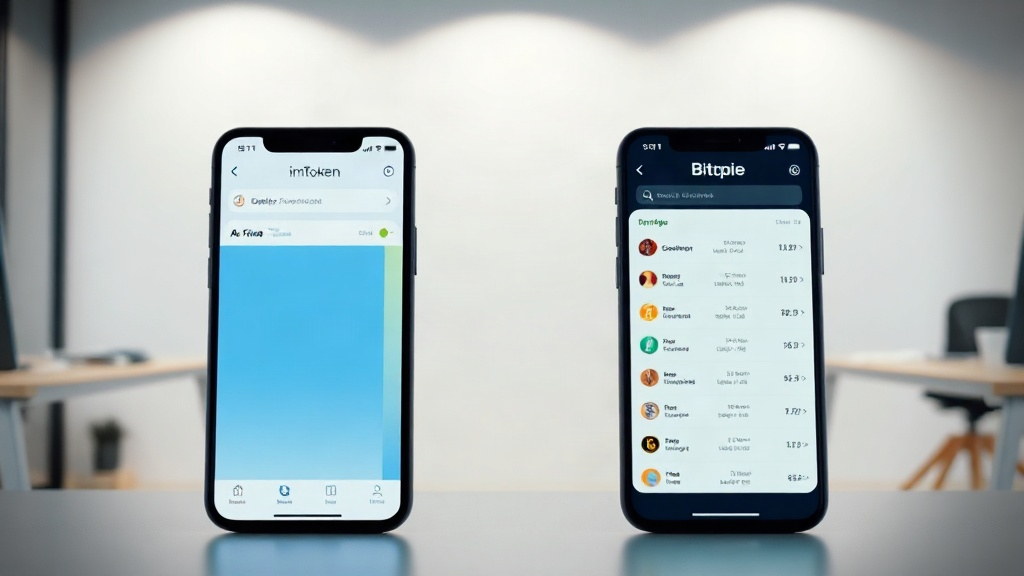
imToken and Bitpie are both well-known wallet products in the cryptocurrency space. While they both offer digital asset management services, they have significant differences in several aspects:
Founding Time and Background
- imToken: Founded by He Bin in May 2016, it is one of China's earliest Ethereum ecosystem digital cryptocurrency wallets.
- Bitpie: Founded by a Beijing company in 2013, it is one of China's earliest cryptocurrency wallets, with a longer history in the industry.
Wallet Type and Features
- imToken: A light wallet, initially a representative Ethereum wallet, later evolving into a multi-chain wallet. It is not open-source, supports two-factor authentication, but as of November 2021, it does not support multi-signature. The platform does not store user private keys, emphasizing users' complete control over their assets.
- Bitpie: A leading multi-chain wallet that emphasizes asset security management and DApp integration. It employs multi-layer protection technology and has securely stored tens of billions of dollars in assets.
Supported Currencies and Address Management
- imToken: Initially primarily supported ERC20 tokens issued on the Ethereum Layer-1 blockchain, later expanding to support various mainstream Layer-1 blockchains like Bitcoin, Layer 2 networks, and EVM-compatible chains. In early imToken, many Ethereum-based tokens used the same wallet address.
- Bitpie: As a multi-chain wallet, it supports various blockchain assets such as Bitcoin (BTC), Ethereum (ETH), TRX, BSC, HECO, EOS, and USDT. In Bitpie Wallet, each currency typically corresponds to a different address, and a single wallet can generate multiple receiving addresses.
Functional Features
- imToken: Offers token swap functionality (flash exchange based on Kyber protocol and Tokenlon exchange based on 0x protocol), as well as a built-in DApp browser, allowing users to interact directly with decentralized applications within the wallet.
- Bitpie: Key features include sending and receiving assets, transaction acceleration, industry news, and DeFi services. It also provides a "Pie Store" for purchasing hardware wallets and has a Bitcoin transaction accelerator. When users write down their seed phrase, Bitpie disables the screenshot function via code to enhance security.
User Base
- imToken: As of April 2025, imToken provides digital asset management services to 14 million users in approximately 150 countries and regions worldwide.
- Bitpie: Although specific user numbers are not directly mentioned, as an early wallet, Bitpie also has a large user base.
Security Perspective
- imToken is representative among Ethereum series wallets, fully supporting ERC20 tokens, with its security design focusing on users' autonomous management of private keys.
- Bitpie demonstrates its emphasis on asset security management through details such as disabling the screenshot function when users write down their seed phrase.