Global Avenues for Cryptocurrency Spending
As the cryptocurrency ecosystem continues to mature, using digital assets for everyday spending has become a demand for many users. Currently, various platforms and solutions exist globally, enabling users to conveniently purchase goods and services with cryptocurrencies such such as Bitcoin (BTC), Ethereum (ETH), Tether (USDT), USD Coin (USDC), and Dogecoin (DOGE).
Cryptocurrency Shopping Platforms

Specialized shopping platforms like Bitrefill, Coinsbee, and Cryptorefills allow users to purchase various gift cards, top up mobile phones, or redeem other digital services using cryptocurrencies. These platforms provide a direct channel for crypto asset holders to convert their digital wealth into actual spending power.
Cryptocurrency Debit Cards and Payment Solutions
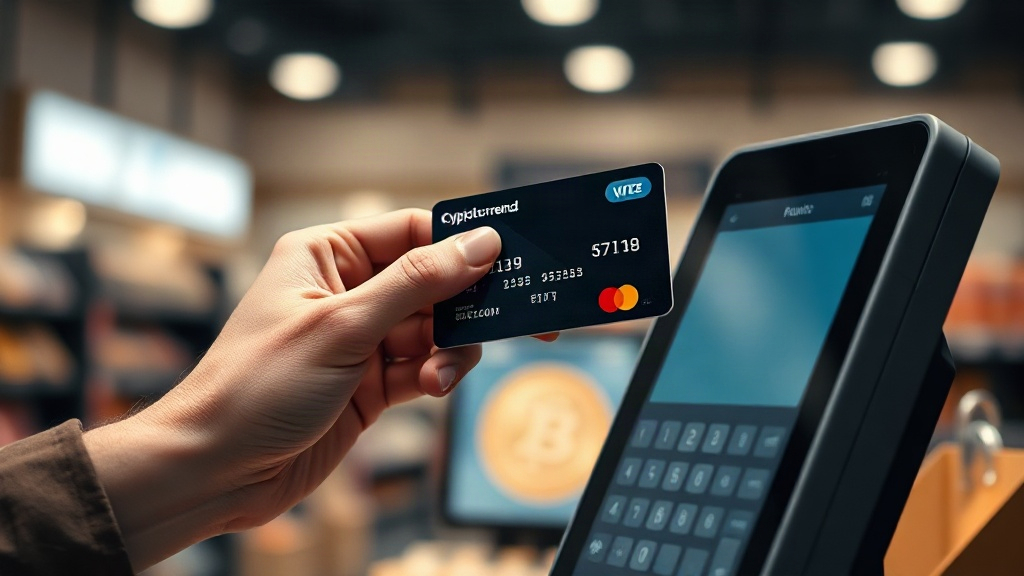
To further bridge the gap between cryptocurrency and traditional fiat spending, some institutions have launched cryptocurrency debit or credit cards, such as MoneyCollect and MetaMask Card. These cards typically partner with major payment networks like Visa or Mastercard, supporting the real-time conversion of users' cryptocurrencies into fiat currency for seamless online and offline spending. Users can also link these crypto cards to Apple Pay or Google Pay to enjoy the convenience of contactless payments. According to public information, MetaMask Card previously offered 1-3% mUSD cashback, while MoneyCollect cards could achieve 0% fees for USD spending with a crypto exchange premium of approximately 1%. Additionally, Binance Pay offers a contactless, borderless cryptocurrency payment solution, allowing users to directly use cryptocurrencies for purchases at partner merchants. In daily spending scenarios, stablecoins like USDC and USDT are often recommended due to their lower volatility.
China Mainland Virtual Currency RMB Transaction Policies and Risks
In contrast to the expansion of global cryptocurrency spending scenarios, mainland China has maintained strict regulatory policies on virtual currencies. According to policies repeatedly reiterated and upgraded by the People's Bank of China and other departments on September 24, 2021, November 28, 2025, and February 6, 2026, all virtual currency-related business activities are deemed illegal financial activities in mainland China and are strictly prohibited. This includes exchanges between legal tender and virtual currencies, exchanges between virtual currencies, buying and selling virtual currencies as a central counterparty, providing information intermediation and pricing services, token issuance financing, and virtual currency-related financial product transactions.
Chinese regulatory authorities have explicitly stated that overseas entities and individuals are prohibited from illegally providing virtual currency-related services to domestic entities in any form, and without approval, no domestic or overseas entity or individual may issue RMB-pegged stablecoins offshore. Virtual currency "mining" activities are also strictly controlled and continuously rectified. Although the Songjiang District People's Court in Shanghai ruled in November 2024 that Chinese citizens can legally hold cryptocurrencies as personal property, this does not mean that they can legally trade or participate in related financial activities.
Some international cryptocurrency exchanges, such as OKX and Binance, still support registration for mainland Chinese users and may offer fiat (CNY) deposit and withdrawal channels through peer-to-peer (P2P) trading. However, users face high risks such as bank card freezing when conducting P2P transactions. It is recommended to choose merchants with high trading volume, high completion rates, and verification badges, and to be vigilant about potential legal and financial risks. According to market platforms like Svmuu, the spread between USDT and CNY in P2P transactions is usually within 0.5% to 1%, but the actual comprehensive transaction cost (including P2P spread and withdrawal fees) can be as high as 2% to 4%, significantly exceeding the stated transaction fees. Chinese regulatory authorities insist that virtual currencies do not have legal tender status and pose risks such as money laundering, fundraising fraud, and cross-border capital transfers, disrupting economic and financial order and endangering property safety. Therefore, mainland Chinese residents should strictly abide by local laws and regulations and avoid participating in any form of virtual currency trading activities.