What is Bitcoin?
Bitcoin is a decentralized digital currency and the first cryptocurrency to successfully implement blockchain technology. It was launched in 2009 by a creator (or group of creators) using the pseudonym "Satoshi Nakamoto," with the original design aiming to create a peer-to-peer electronic cash system that does not rely on any central authority (such as a central bank or government).
Core Concepts and Technical Foundations
- Blockchain and Decentralization: The Bitcoin network is maintained by tens of thousands of nodes globally, collectively upholding a public, immutable transaction ledger known as the blockchain. No single entity can control or shut down the entire network.
- Proof of Work and Mining: The network uses a "Proof of Work" consensus mechanism to confirm transactions and generate new blocks. Miners use computing devices to solve complex mathematical puzzles; the winner gains the right to record transactions and receives newly generated Bitcoin as a reward. This process is called "mining."
- Limited Supply and Halving: The total supply of Bitcoin is permanently capped at 21 million coins. Approximately every four years, the reward for mining new coins is halved. This mechanism, known as "halving," is designed to control inflation and simulate the extraction process of scarce resources.
- Key Attributes and Uses: Bitcoin is considered a store of value (often compared to "digital gold") and can also be used for cross-border transfers. Its smallest unit is a "satoshi," with 1 Bitcoin equaling 100 million satoshis.
Is Bitcoin Trading Legal Globally?
The legality of Bitcoin is not uniform worldwide, with countries and regions adopting vastly different stances based on their legal frameworks and financial policies. As of 2026, the main situations can be summarized as follows:
- Countries/Regions with Legal or Clearly Regulated Status: These include the United States, Canada, the United Kingdom, Japan, Singapore, Australia, Switzerland, and most EU member states. In these jurisdictions, Bitcoin trading is generally permitted but subject to financial regulations such as anti-money laundering (AML) and tax reporting requirements.
- Countries Where Bitcoin is Legal Tender: El Salvador (2021) and the Central African Republic (2022) have officially adopted Bitcoin as legal tender.
- Countries/Regions with Strict Restrictions or Bans: China has comprehensively banned cryptocurrency trading and related businesses since 2021. Countries like Vietnam and Bangladesh have also implemented strict restrictive measures.
- Regulatory Trends: A global regulatory framework is gradually taking shape. For example, the European Union's Markets in Crypto-Assets (MiCA) regulation aims to establish unified regulatory rules for crypto assets. Regulatory focus is generally centered on consumer protection, financial stability, and preventing illicit activities.
2026 Market and Data Overview
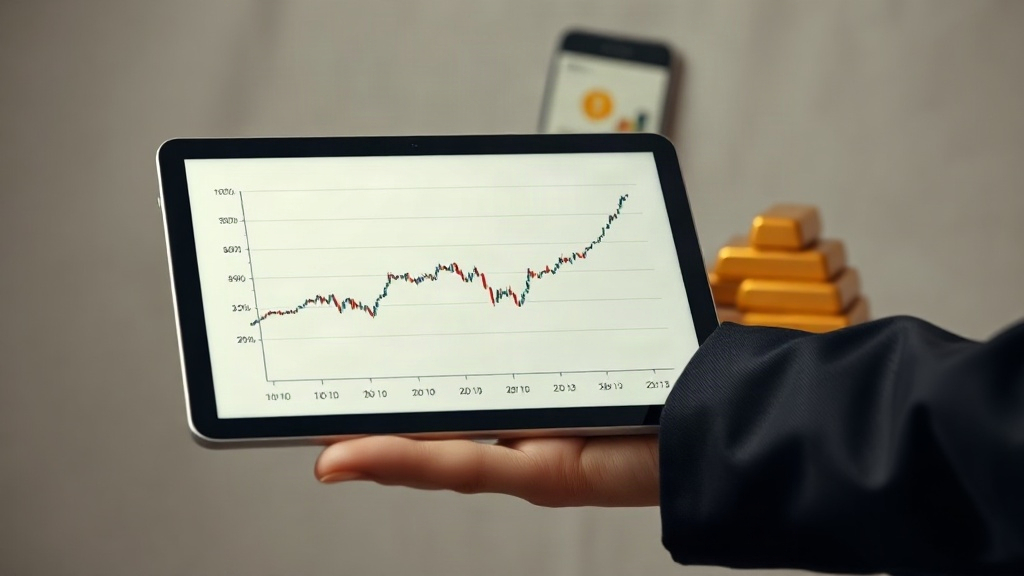
As of October 27, 2026, Bitcoin remains the largest cryptocurrency by market capitalization, with significant dominance.
- Supply and Circulation: The circulating supply of Bitcoin has exceeded 20 million coins, representing approximately 95% of the total supply cap. The number of remaining unmined Bitcoins continues to decrease.
- Institutional Participation: Spot Bitcoin Exchange Traded Funds (ETFs) approved by the U.S. Securities and Exchange Commission have become a crucial channel for traditional financial market capital to enter the cryptocurrency space. As of October 2026, the assets under management (AUM) of these ETFs have surpassed hundreds of billions of dollars, reflecting sustained institutional investor interest.
- Market Volatility: Bitcoin's price experienced significant volatility in 2026, with a considerable difference between its annual high and low prices. This once again highlights its characteristic as a high-risk asset, with prices influenced by macroeconomic factors, regulatory news, market sentiment, and other elements.
Summary and Risk Warning
For beginners, understanding Bitcoin requires grasping its dual nature as both a product of technological innovation and a financial asset. Its decentralized nature and limited supply are its core value propositions, but these also come with extremely high price volatility and a complex global regulatory environment. Before considering engaging with Bitcoin, it is essential to fully understand the laws and regulations in your jurisdiction and recognize that any investment may carry the risk of principal loss. The cryptocurrency market changes rapidly, and continuous learning and prudent judgment are crucial.