Evolution of the Platform Point Card Concept
In the cryptocurrency trading ecosystem, platform "point cards" typically originated as prepaid fee deduction tools, designed to offer users discounts on trading costs. However, as the industry has developed and user needs have diversified, this concept has evolved into richer functionalities and value propositions across different platforms. This article will focus on HTX (formerly Huobi), OKX, and Gate.io, three major platforms, to analyze the current value of their point cards and related crypto payment products.
HTX: Traditional Fee Deduction Card
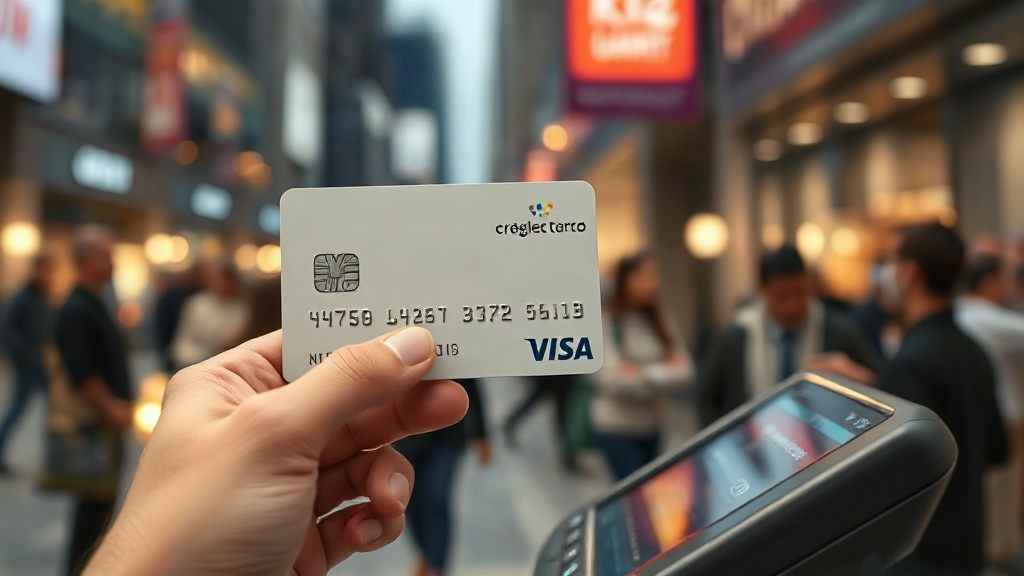
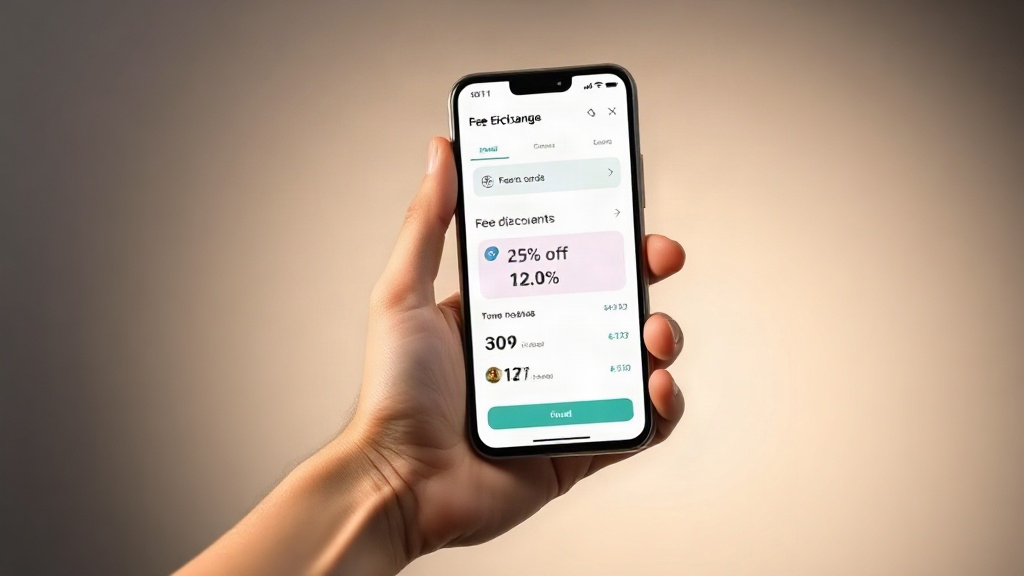
HTX (formerly Huobi) point cards primarily serve as top-up cards for trading fees. By purchasing point card packages, users can enjoy different levels of fee discounts, thereby reducing trading costs. The platform was rebranded as HTX in September 2023. While HTX also offers welcome bonuses and daily check-ins, the core value of its point cards remains focused on fee deductions. In the early days, Huobi's point card packages were linked to obtaining the platform token HT, but currently, their main function is to provide trading fee discounts.
OKX: From Point Cards to Crypto Debit Cards
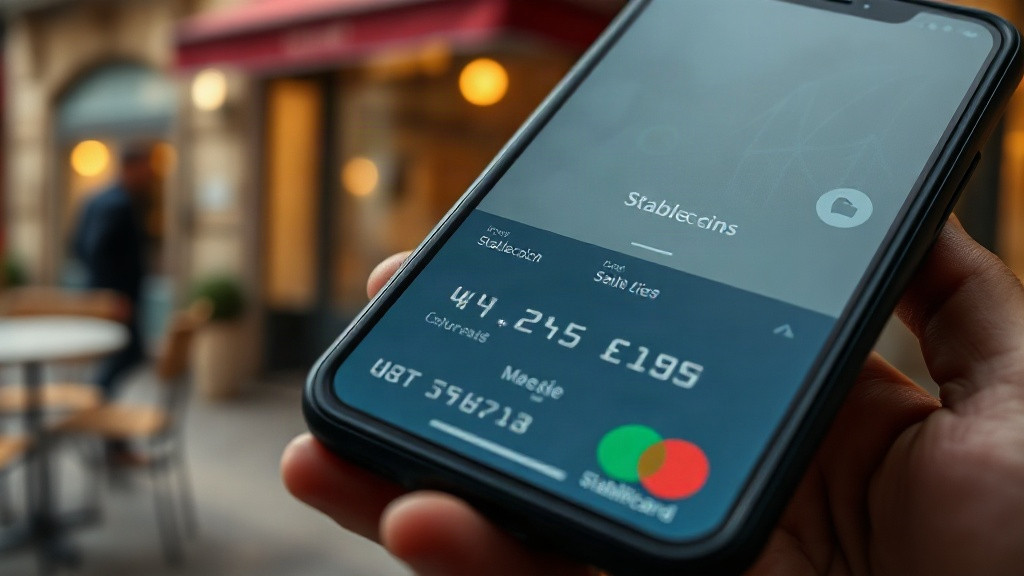
OKX's "point card" concept has undergone a significant transformation, evolving into the "OKX Card." This is not a traditional fee deduction card, but rather a virtual or physical crypto debit card issued in partnership with Mastercard or Visa. The OKX Card allows users to directly spend stablecoins (such as USDT, USDC, USDG) from their OKX Pay account for global consumption. During transactions, the system automatically converts stablecoins into local fiat currency in real-time for settlement, greatly facilitating the use of digital assets in everyday spending scenarios.
The OKX Card was launched in Singapore in April 2026, and as of October 2026, it has gradually become available for application in regions such as the European Economic Area (EEA), Singapore, Hong Kong, and Malaysia. Its value is reflected in multiple aspects:
- Convenient Spending: Directly use crypto assets for daily payments, eliminating the need for cumbersome fiat withdrawal processes.
- Low Fees: The exchange rate difference for stablecoin to fiat conversion is only 0.1%.
- No Additional Fees: No annual fees, card issuance fees, or inactivity fees.
- Cashback Mechanism: Get 2% cashback when spending USDG, with a maximum of $5 cashback per month for regular users.
- USDG Holding Yield: Users holding USDG can enjoy an annualized yield of up to 10% on the first 10,000 USDG, and 3.5% on amounts exceeding that.
- Broad Compatibility: Supports Apple Pay and Google Pay, enhancing payment convenience.
Gate.io: Fee Deduction and Crypto Payments Coexist
Gate.io has adopted a dual-track strategy for point cards. On one hand, it retains traditional "point cards" used to deduct trading fees. Each point card is equivalent to 1 USDT in fees, and users can obtain fee discounts by pre-purchasing point cards, which are primarily used for spot trading and margin lending. Gate.io also encourages users to use its platform token GT to deduct fees for higher VIP discounts.
On the other hand, Gate.io has also launched the "Gate Card," a digital asset payment card based on the Visa network. This card supports direct spending of various crypto assets such as USDT, BTC, ETH, and GT, and offers up to 8% cashback based on card tier, with cashback issued as points that can be redeemed for USDT or GT. Gate.io's point cards and crypto payment cards collectively form its value system for users:
- Fee Optimization: Point cards and GT deduction mechanisms can reduce Taker fees to a minimum of 0.0225%.
- Crypto Asset Spending: The Gate Card seamlessly connects digital assets with real-world consumption.
- High Cashback: The Gate Card offers up to 8% cashback on spending, increasing the attractiveness for users to spend crypto assets.
Conclusion
Overall, the three platforms exhibit different focuses in providing "point card value." HTX maintains the traditional positioning of point cards as a fee deduction tool. OKX and Gate.io, while retaining or evolving traditional point card functions, have actively embraced crypto payment cards, extending the value of digital assets from trading to daily consumption, offering users broader and more convenient scenarios for using digital assets. These innovations reflect the crypto industry's continuous efforts to enhance user experience and expand application boundaries.