The Core Role of USDT in Cryptocurrency Trading
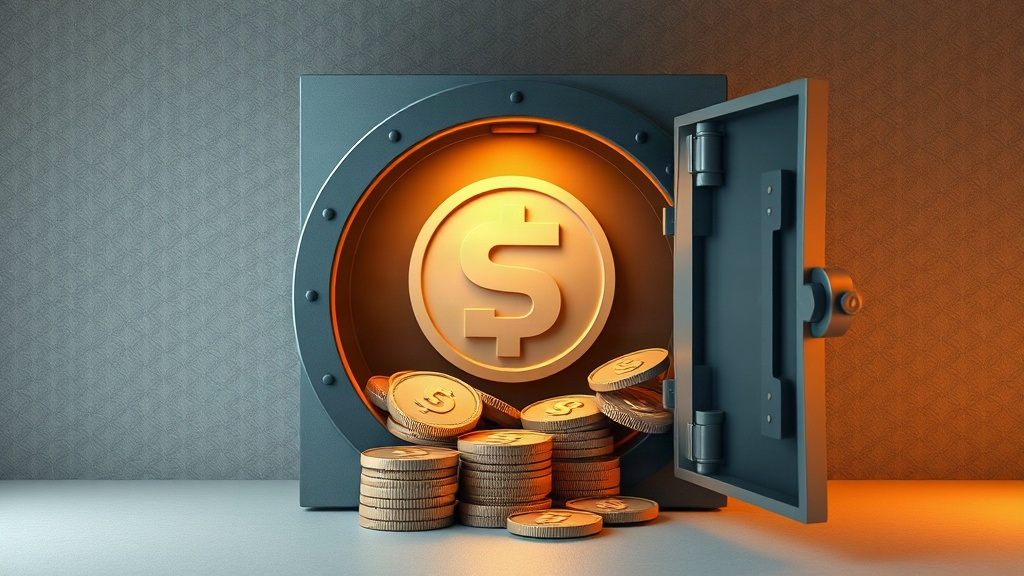
Tether (USDT) is a stablecoin launched in 2014, designed to maintain a value pegged to fiat currencies (primarily the US dollar) to provide a stable digital currency value. As one of the most widely used stablecoins in the cryptocurrency market, USDT offers traders and investors a safe haven from the volatility of other digital assets. It is issued on multiple blockchain networks, including Ethereum, Tron, Binance Smart Chain, and Solana, ensuring broad compatibility and liquidity.
USDT trading platforms are favored by the market due to the following advantages:
- Stability: USDT's relatively stable value helps traders lock in profits or hedge risks during market volatility.
- Hedging Market Volatility: During sharp fluctuations in the crypto market, traders can convert other crypto assets into USDT to protect asset value.
- High Liquidity: USDT boasts extremely high market liquidity, making it easy to exchange for other cryptocurrencies.
- Global Accessibility: USDT trading platforms typically offer global services, facilitating transactions for users worldwide.
Choosing Compliant and Reliable Bitcoin and USDT Trading Platforms
When trading Bitcoin (BTC) and USDT, selecting a compliant, secure, and fully functional platform is crucial. Various types of platforms are available in the market, including Centralized Exchanges (CEX), Peer-to-Peer (P2P) platforms, and Non-custodial/Decentralized Exchanges (DEX).
Overview of Mainstream Centralized Exchanges (CEX)
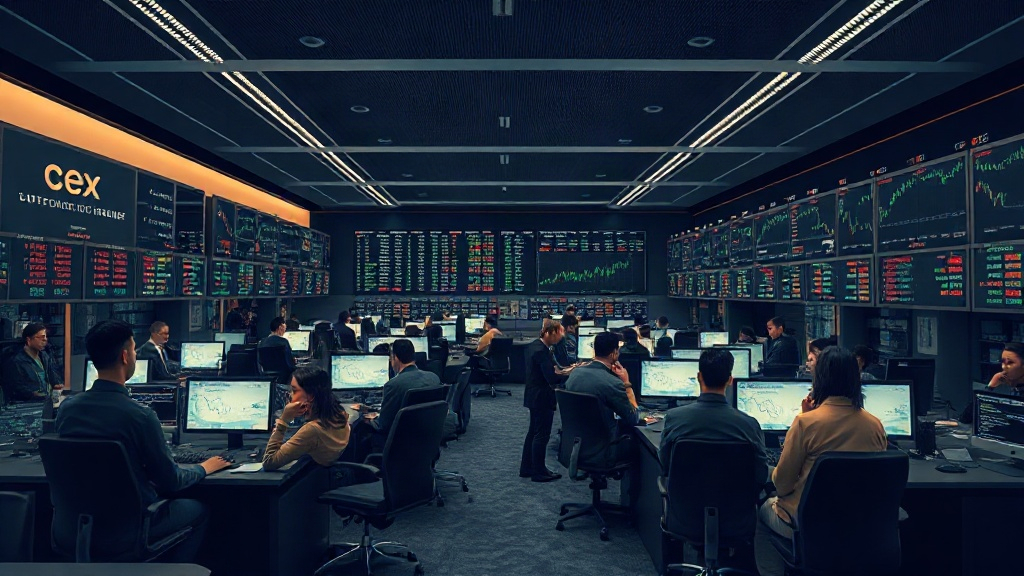
Centralized exchanges are the mainstream channel for cryptocurrency trading, offering a wide range of trading pairs, advanced trading tools, and relatively high liquidity, but typically require users to complete Know Your Customer (KYC) verification.
- Binance: Established in 2017, it is one of the world's largest cryptocurrency exchanges by trading volume. It offers a wide range of USDT trading pairs and advanced trading tools. Its P2P platform supports direct trading of stablecoins like USDT, providing various payment methods and escrow services. Binance holds regulatory licenses in multiple jurisdictions globally.
- Coinbase: With millions of users, it is known for its user-friendly platform, advanced tools, educational content, and high-security protocols, supporting USDT trading. Coinbase is regulated in the United States and is committed to providing a secure trading environment. In 2025, Coinbase's overseas support team was infiltrated by a criminal group, leading to the theft of customer funds, and Coinbase pledged to compensate affected users.
- Kraken: As one of the longest-operating cryptocurrency exchanges, Kraken serves over 15 million crypto investors globally. Its Kraken Pro platform offers lower trading fees and is considered ideal for both beginners and experienced traders. As of 2026, Kraken offers regulated spot margin trading with 20x leverage to US traders.
- Gemini: Known for its commitment to regulatory compliance, it is one of the few cryptocurrency exchanges available in all 50 US states, offering secure USDT trading services.
- OKX and Bybit: These platforms also offer options to purchase USDT via bank transfer, card payments, and third-party payment providers, supporting spot and derivatives trading for Bitcoin and USDT.
Peer-to-Peer (P2P) Trading Platforms

P2P platforms allow users to directly trade USDT with other individuals, offering a wide range of payment methods, including bank transfers, PayPal, cash deposits, and more. These platforms typically provide greater payment flexibility, but users need to be aware of counterparty risk.
- Binance P2P: As part of the Binance ecosystem, it provides escrow services to ensure transaction security.
- Other P2P Platforms: Such as Paxful, Remitano, and HodlHodl, which allow users to conduct direct USDT transactions globally.
Non-custodial/Decentralized Exchanges (DEX)
Non-custodial and decentralized exchanges (such as Godex, FixedFloat, SideShift, Uniswap, PancakeSwap) emphasize users' full control over funds and anonymity, typically without requiring KYC. They offer fast USDT to BTC conversions but may lack the advanced trading tools and deep liquidity of centralized exchanges.
The Importance of Regulation and Compliance
Choosing a regulated platform is crucial for ensuring the security of user funds and the legality of transactions. Many mainstream platforms, such as Coinbase, Kraken, and Gemini, are strictly regulated in major financial markets like the United States. Furthermore, institutions like Paxos Trust Company are regulated by the New York Department of Financial Services (NYDFS) and provide cryptocurrency trading services for traditional financial platforms such as Interactive Brokers and OANDA, signaling the convergence of traditional finance and the cryptocurrency world.
When selecting a trading platform, users are advised to carefully research the platform's regulatory status, security measures, fee structure, and user reviews. Compliant platforms typically offer more transparent services and provide more reliable resolution channels in case of issues.