First, Differentiate Between Three Types of "Accounts"
A cryptocurrency account typically refers to a centralized exchange account, a self-custody wallet account, or a crypto asset feature within a fintech application. The methods of controlling funds differ for each: an exchange account's system is managed by the platform, with users relying on the platform's risk control and customer service; a self-custody wallet requires users to safeguard private keys or seed phrases, with assets directly stored on-chain; fintech platforms may offer purchase, custody, or payment entry points, with the scope of functions limited by local licenses.
- To deposit fiat currency and trade common assets, it's generally advisable to choose a regulated or compliance-oriented exchange.
- If you prefer to control your private keys, opt for a self-custody wallet, but be aware of the risks associated with seed phrases and phishing.
- If you only wish to purchase or pay via an app, first confirm if the platform supports your jurisdiction.
General Steps for Opening a Centralized Exchange Account
- Choose a Platform: Check its regulatory licenses or registration location, supported cryptocurrencies, fiat deposit methods, fees, security features, and regional availability.
- Register: Create an account using a common email or phone number, and set a strong, unique password.
- Complete Identity Verification: Submit your name, date of birth, address, and ID document photos as required by the platform; sometimes a selfie or proof of address is also needed.
- Enable Security Settings: Activate two-factor authentication (2FA), withdrawal address whitelisting, login device management, and email confirmation.
- Deposit Funds: Purchase cryptocurrency via bank card, debit card, wire transfer, Apple Pay, Google Pay, or local licensed payment channels, or transfer from an existing wallet.
- Small Test: For your first deposit or withdrawal, perform a small transaction to confirm the network, address, and arrival rules are correct.
Different platforms have varying definitions of "account opening." Some platforms allow unverified users to browse market data but restrict deposits, withdrawals, or trading until KYC is completed; others require identity verification before placing orders. If you encounter a "function restricted" prompt, refer to the platform's official help page and local regulations.
KYC is a Key Step in the Account Opening Process
KYC, or "Know Your Customer," is a verification step implemented by most centralized exchanges for anti-money laundering (AML), counter-terrorist financing (CTF), sanctions screening, and tax compliance. While it does increase account opening time, it helps reduce the risks of fraud, account misuse, and illicit fund flows. For some users, KYC also creates tension with the early emphasis on anonymity in cryptocurrency, which is why self-custody wallets and decentralized trading methods are often chosen as alternatives; however, these do not equate to avoiding regulation or reducing risk.
Account Security is More Important Than "Successful Registration"
- For two-factor authentication, prioritize authenticator apps; SMS verification codes are usable but can be vulnerable to SIM card hijacking.
- Do not reuse passwords from other websites; it's recommended to use a password manager to generate and save strong passwords.
- Enable withdrawal address whitelisting to prevent phishing websites or malicious apps from directly transferring assets.
- Be cautious of private messages containing links for "customer service," "airdrops," or "wallet upgrades"; exchanges typically do not request private keys via social media accounts.
- If using a self-custody wallet, store your seed phrase offline, do not photograph it, upload it to the cloud, or enter it into any website that requests seed phrase verification.
Deposits, Withdrawals, and Regional Compliance
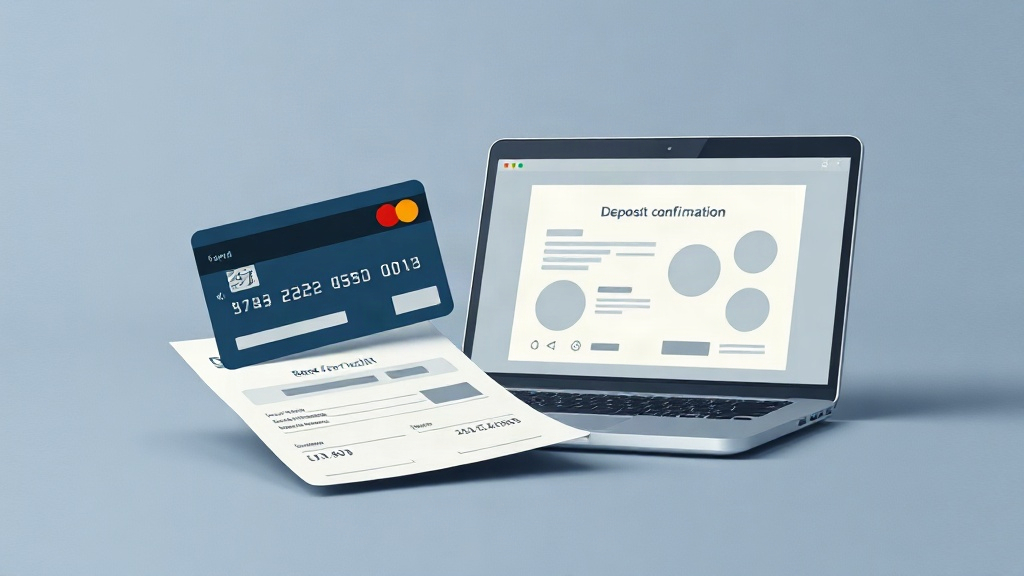
Fiat deposit methods depend on your jurisdiction and the platform's licenses. Common channels include bank transfers, debit cards, wire transfers, Apple Pay, Google Pay, or local licensed payment services; some platforms do not support credit card purchases or may charge higher fees. Cryptocurrency transfers require confirming the on-chain network; selecting the wrong network can lead to irreversible loss of assets. Before withdrawing, it's advisable to check your account security status, withdrawal limits, and fees.
Global regulations vary significantly. The US, Japan, EU, South Korea, Singapore, and other regions have different requirements for exchanges, custody, stablecoins, and AML; Hong Kong has implemented a licensing regime for virtual asset service providers since 2023. Before opening an account, confirm whether the platform offers services in your region and if local laws permit relevant transactions or custody. If a region restricts or prohibits crypto asset activities, you should comply with local laws and not attempt to circumvent platform risk control or regulatory requirements.
When comparing platform fees, supported cryptocurrencies, and compliance information, you can check relevant market data and news on Svmuu, then verify with official platform announcements and regulatory documents.
Common Misconceptions
- Treating an exchange account as a fully self-controlled wallet: Exchange accounts rely on platform operations, while self-custody wallets are where users hold their private keys.
- Believing that completing KYC is sufficient to eliminate all risks: Identity verification reduces risk, but account security still depends on passwords, 2FA, and anti-phishing habits.
- Only looking at the number of cryptocurrencies while ignoring liquidity and compliance: A large number of listed coins does not mean they are suitable for trading; fees, depth, and regulatory status are equally important.
- Making large deposits for the first operation: Small tests can reveal issues with network selection, address entry, and arrival rules.