Binance is one of the leading cryptocurrency exchanges, offering spot trading, instant swap, C2C/P2P, fiat on-ramp, withdrawals, and account security tools. Available features, trading pairs, fiat channels, and identity verification requirements vary by country/region. Before operating, users should refer to Binance's official announcements, account page displays, and local regulations.
First, understand account structure: Exchanges are not external wallets
When trading on Binance, assets are typically distributed across different accounts such as spot, funding, and fiat on-ramp. If you wish to transfer assets from Binance to an external wallet after purchase, you need to complete an asset transfer or withdrawal first. If you are depositing from an external wallet to Binance, you need to send the assets from your wallet to the receiving address provided by Binance. Exchange accounts rely on login credentials, identity verification, and platform risk control, while external wallets rely on private keys or seed phrases; their security logics are different.
Registration and Identity Verification
- Register an account using an email address or phone number, set a strong password, and avoid reusing it on other websites.
- Enable two-factor authentication, such as an authenticator app or SMS verification; prioritize methods less susceptible to SIM card hijacking if conditions allow.
- Complete identity verification (KYC) as prompted by the account, which typically includes basic information, document upload, and facial recognition. Most fiat, withdrawal, and trading functions will require identity verification to meet regulatory and account security requirements.
- Set up security options such as anti-phishing codes and withdrawal whitelists, and regularly review authorized API permissions.
Deposits: Fiat On-Ramp and Cryptocurrency Transfers
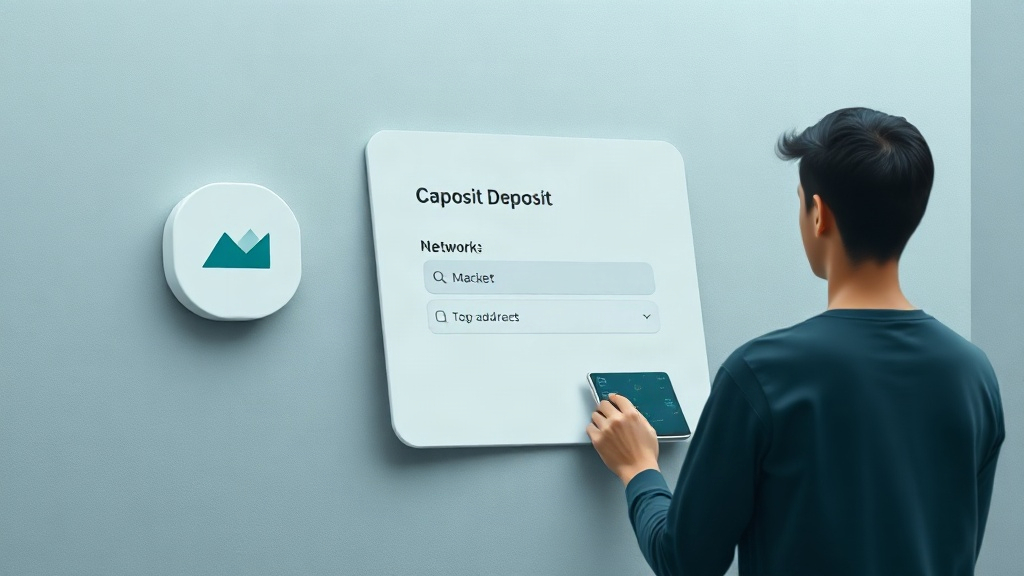
Fiat deposits or cryptocurrency purchases can usually be completed via bank cards, bank transfers, C2C/P2P, and other channels. The specific available methods depend on the account's region, compliance status, and payment method. If using C2C/P2P, always communicate and pay within the platform's order system; do not transfer funds to unknown addresses or personal accounts outside of the order.
Cryptocurrency deposits require three steps: select the asset and deposit network on Binance, copy the receiving address; select the same asset and same network on your external wallet or another platform; first send a small test amount, and only transfer a larger amount after confirming its arrival.
- Verify that the address is complete and do not modify it manually.
- Verify the network name; for example, Bitcoin, Ethereum, Solana, and other assets correspond to different networks. Selecting the wrong network may result in irreversible loss of funds.
- For assets that require a tag, memo, or Memo, the correct value must be entered.
- Pay attention to on-chain confirmation times and deposit fees; the arrival status is subject to the Binance asset page.
Trading: Spot, Instant Swap, and C2C/P2P
Spot trading is the most basic method: select a trading pair, view prices, depth, and fees, then place an order using a limit order or market order. Instant Swap is suitable for scenarios where you just want to quickly exchange two assets; the interface is simpler, but the spread and available trading pairs may differ. C2C/P2P is more geared towards matching fiat and cryptocurrency transactions, with the platform providing an escrow process, but users still need to verify orders, payment proofs, and counterparty information.
Before placing an order, you can check real-time market data and basic information for relevant cryptocurrencies on Svmuu, then return to Binance to confirm the trading pair, depth, and fees.
Transaction fees, spreads, network fees, and withdrawal fees vary depending on the trading pair, account level, activity rules, and blockchain congestion. The numbers displayed on the page represent the actual cost of that specific order.
Withdrawals: Cryptocurrency Transfers and Fiat Withdrawals
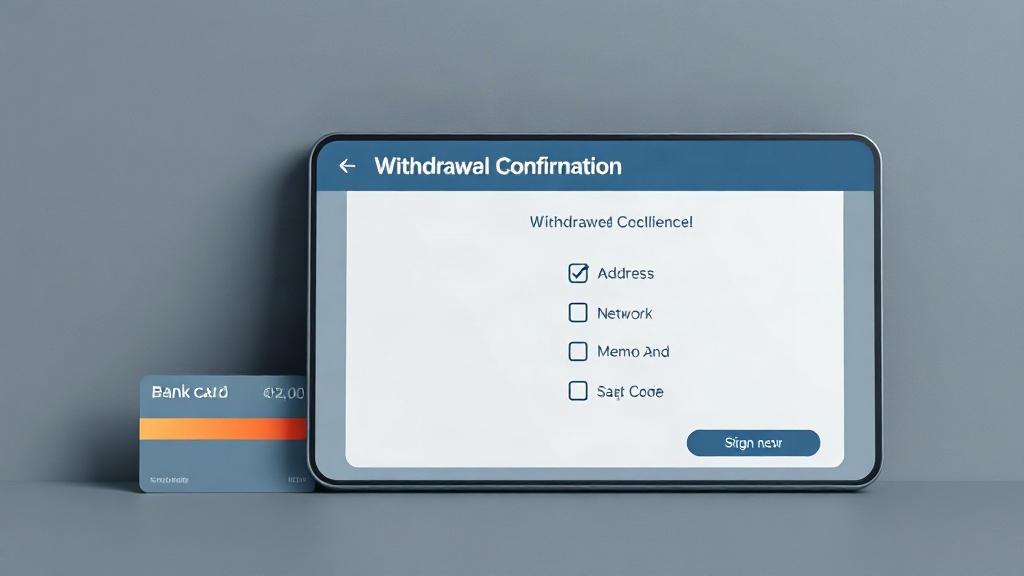
When withdrawing cryptocurrency, first confirm that the assets are in a withdrawable account, then go to the withdrawal page. Enter the external wallet address, select the network consistent with the recipient wallet, fill in any necessary tags or memos, verify the fees and arrival time, and finally complete security verification via email, phone, or authenticator. It is recommended to enable a withdrawal whitelist and perform a small test withdrawal first.
If the account has fiat channels enabled, fiat withdrawals typically require first selling assets for platform-supported fiat currency balances via spot or instant swap, then selecting a withdrawal path such as bank transfer. The bank name, account number, account holder information, region, and currency must match the account details; the platform may conduct risk control reviews, and the arrival time is subject to the order status.
Common Pitfalls for Newbies
- Incorrect network selection: Sending assets to an incompatible network, or depositing from the wrong network to Binance.
- Incorrect address entry: Manual input, copied address being tampered with, or phishing websites replacing the receiving address.
- Ignoring tags: Some assets may not be credited without a Memo or tag.
- Excessive authorization: Randomly signing transactions, connecting to unknown DApps, or granting excessive API permissions.
- Only looking at price, not cost: Fees, spreads, slippage, and network fees all affect the actual transaction.
Compliance and Security Reminders
Some countries and regions have different regulatory requirements for cryptocurrency trading, KYC, fiat deposits/withdrawals, or specific assets. If a certain feature is unavailable in your account, you should refer to Binance announcements and local regulations, and not attempt to circumvent restrictions. Before trading, confirm that the source of funds is legal, and retain order records after trading; be wary of any third-party services claiming fixed returns, internal channels, or withdrawal without verification.