The Fraudulent Nature of OneCoin and the Story Behind Its Collapse
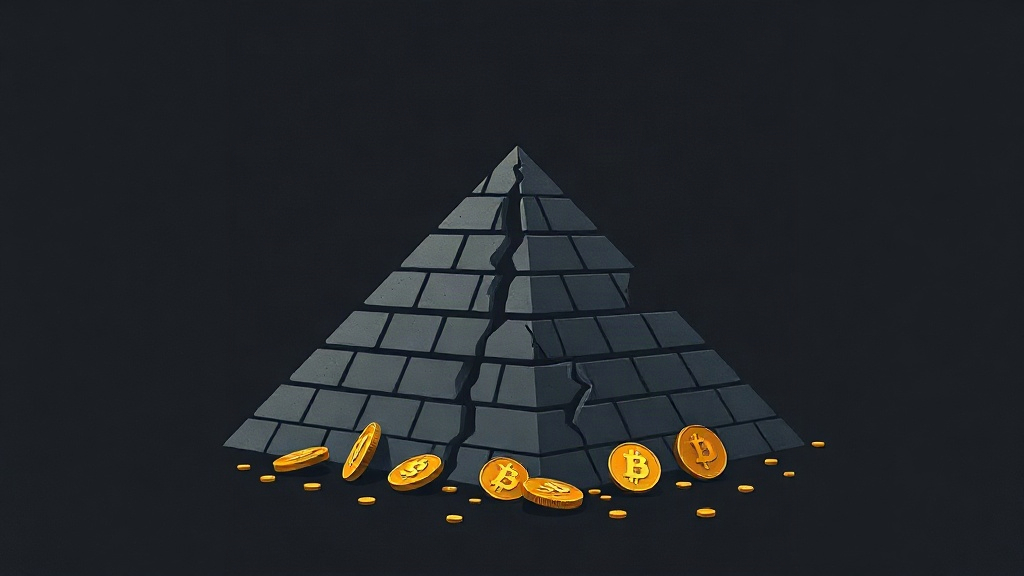
OneCoin is not a genuine cryptocurrency, but rather a Ponzi scheme and pyramid scheme that has been identified as fraudulent by global regulators and law enforcement agencies. The project is not based on open and transparent blockchain technology, and its so-called “value” is arbitrarily set internally rather than determined by market supply and demand.OneCoin’s operating entities, OneCoin Ltd. and OneLife Network Ltd., attracted millions of investors worldwide through a multi-level marketing model, defrauding them of more than $4 billion in total.
OneCoin’s collapse began in 2017, when its founder, Ruja Ignatova—also known as the “Crypto Queen”—suddenly disappeared. Her disappearance marked the collapse of the scam’s core, and OneCoin has not conducted any substantive operations since then.
Legal Prosecution and Manhunt for Key Perpetrators
Many key figures involved in the VikaCoin scam have faced severe legal consequences:
- Ruja Ignatova: She remains at large. The U.S. Federal Bureau of Investigation (FBI) added her to its Ten Most Wanted list in June 2022 and offered a $5 million reward in 2023 for information leading to her arrest.
- Karl Sebastian Greenwood: As a co-founder and “Global Master Distributor” of VikaCoin, he was sentenced to 20 years in prison in September 2023 for wire fraud and money laundering, and was ordered to forfeit approximately $300 million in illicit proceeds.It was disclosed that he earned approximately $21.2 million per month from the scam.
- Other individuals involved: Former Head of Legal and Compliance Irina Dilkinska and attorney Mark Scott were also sentenced in 2024 for fraud and money laundering, respectively. Mark Scott laundered approximately $400 million for VikaCoin.
Global Victims and Progress on Restitution
The VikaCoin scam has caused massive economic losses worldwide. For example, in China, law enforcement recovered 1.7 billion yuan (approximately $267.5 million) and filed lawsuits against 98 individuals involved in the case. Many investors lost everything due to VikaCoin.
Currently, legal proceedings are still ongoing worldwide, and victims are actively seeking compensation. The U.S. Department of Justice has launched a victim compensation program for those who purchased VikaCoin between 2014 and 2019 and suffered net losses; the application deadline is June 30, 2026.
The Truth Behind the Rumors of Buying Cars with Vika Coin
The rumor that “Vika Coin can be used to pay for a car in full” is completely unfounded and was part of the Vika Coin project’s false advertising in its early stages. Vika Coin has never been recognized as legal tender by any national or regional regulatory authority and therefore cannot be used to purchase cars or make any everyday purchases.
In China, in particular, laws and regulations explicitly prohibit virtual currency transactions, and financial institutions and non-bank payment institutions are prohibited from providing services for token issuance financing or virtual currencies.In China, Vika Coin has been officially designated as a virtual currency suspected of being involved in pyramid scheme-style fraud. Therefore, any claim that Vika Coin can be used for large-scale purchases, such as buying a car, is a complete and utter lie.
Market Status and Risk Warning
As of October 29, 2026, the Vika Coin project has come to a complete standstill, with its trading market virtually dried up and a lack of meaningful transactions. Given that it has been confirmed to be a Ponzi scheme, investors should steer clear of any investment opportunities purportedly related to Vika Coin.Any claims regarding a “revival” or “value recovery” of Vika Coin should be regarded as new attempts at fraud. For cryptocurrency investors, conducting thorough due diligence to understand a project’s technical foundation, team background, and regulatory compliance is crucial to avoid falling victim to similar scams.