Cryptocurrency Trading Market Overview
Cryptocurrency trading has seen continuous development in recent years. Despite persistent volatility, overall trading activity remains robust. According to the latest data, the spot trading volume of top centralized exchanges reached $18.83 trillion in 2024, while the total trading volume of the top ten exchanges in 2024 soared to $76.88 trillion, more than doubling from the previous year. The market share of decentralized exchanges (DEXs) has also been steadily increasing, from 6.9% in January 2024 to 13.6% in January 2026. However, in Q3 2026, market trading activity showed signs of slowing down. Additionally, over the past year, cryptocurrency exchanges have cumulatively lost over $2.4 billion due to security breaches and hacker attacks, highlighting the critical importance of security protection.
Globally Leading Cryptocurrency Trading Platform Apps
The following are globally prominent and feature-rich cryptocurrency trading platform apps:
1. Binance
- Key Facts: As of June 2024, Binance remains the world's largest and most diversified cryptocurrency trading platform, offering one-stop trading, staking, and lending services. It supports trading of over 500 cryptocurrencies and is favored by both new and experienced traders for its low transaction fees, high liquidity, and stringent security measures.
- Latest Developments: In November 2023, Binance agreed to pay a $4.3 billion settlement for violating U.S. anti-money laundering and sanctions regulations, and founder Changpeng Zhao (CZ) stepped down as CEO. Despite facing regulatory scrutiny, Binance maintained its market dominance in 2024 and Q3 2026.
- Relevant Data: Daily average trading volume of approximately $10 billion in 2024, with spot trading volume reaching $7.35 trillion that year, representing a market share of 39.0%. Its centralized spot trading volume market share was 39.2% in 2025, further increasing to 42.7% by Q3 2026.
2. OKX
- Key Facts: OKX is a globally renowned digital assets trading platform, offering spot and derivatives trading services for various digital assets such as Bitcoin, Litecoin, and Ether. The platform provides a rich array of products and diverse fiat currency deposit options, and its security is widely recognized by users.
- Relevant Data: Daily average trading volume of approximately $4 billion in 2024. Ranked second in spot and derivatives trading volume in 2024, with a market share of 13.5%.

3. Coinbase
- Key Facts: Coinbase is known for its emphasis on regulatory compliance and user-friendly interface, being the first U.S.-listed cryptocurrency exchange. It provides extensive resources for new users and supports nearly 400 cryptocurrencies and over 500 markets.
- Latest Developments: Coinbase listed on Nasdaq in 2021 (stock ticker COIN) and is the only crypto company listed on the S&P 500 index.
- Relevant Data: Daily average trading volume of approximately $2 billion in 2024.
4. Kraken
- Key Facts: Kraken is suitable for experienced crypto investors, offering advanced trading tools and products, and known for its relatively low fees. It was rated as one of the best overall crypto apps in 2026.
- Relevant Data: Daily average trading volume of approximately $0.07 billion in 2024. The platform supports approximately 750 cryptocurrencies and 1794 markets.
5. Bybit
- Key Facts: Bybit is one of the world's leading cryptocurrency exchanges, known for its high trading volume and extensive spot and derivatives trading options.
- Relevant Data: Daily average trading volume of approximately $6 billion in 2024. Its trading volume grew by 397.8% in 2024, reaching $1.75 trillion, with a market share of 9.3%. It ranked third in spot and derivatives trading volume in 2024, with a market share of 12.8%.
6. Crypto.com
- Key Facts: Crypto.com offers a large selection of cryptocurrencies and lower trading fees, with additional benefits for CRO token holders. It was rated as the best crypto IRA platform in 2026.
- Relevant Data: Trading volume grew by 969.7% in 2024, reaching $1.29 trillion, with a market share of 6.8%.
7. KuCoin
- Key Facts: KuCoin supports a large number of cryptocurrencies, has relatively low fees, and offers features such as automated trading bots and leveraged trading. Its smart interface and enhanced security features make it suitable for various traders. The platform was founded in 2015 and serves users in 207 countries/regions worldwide.
8. eToro
- Key Facts: eToro is a social trading and multi-asset brokerage firm that allows users to copy the trades of expert traders. It supports multiple languages and a large number of cryptocurrencies, and its social features and integrated wallet system are very beginner-friendly.
9. Gemini
- Key Facts: Gemini emphasizes compliance and security, offering easy-to-use Bitcoin trading accounts. The platform fully repaid all affected customers in 2024.
- Latest Developments: Gemini listed on Nasdaq in September 2025 and is gradually shifting its focus towards institutional clients rather than retail investors.
- Relevant Data: Supports approximately 80 cryptocurrencies and 151 markets.
10. Robinhood
- Key Facts: Robinhood is known for its commission-free trading but offers only a limited number of cryptocurrencies. It is best suited for beginners who already trade stocks on the platform, integrating crypto trading into their existing app.
- Relevant Data: Supports approximately 30 cryptocurrencies.
Factors to Consider When Choosing a Trading Platform
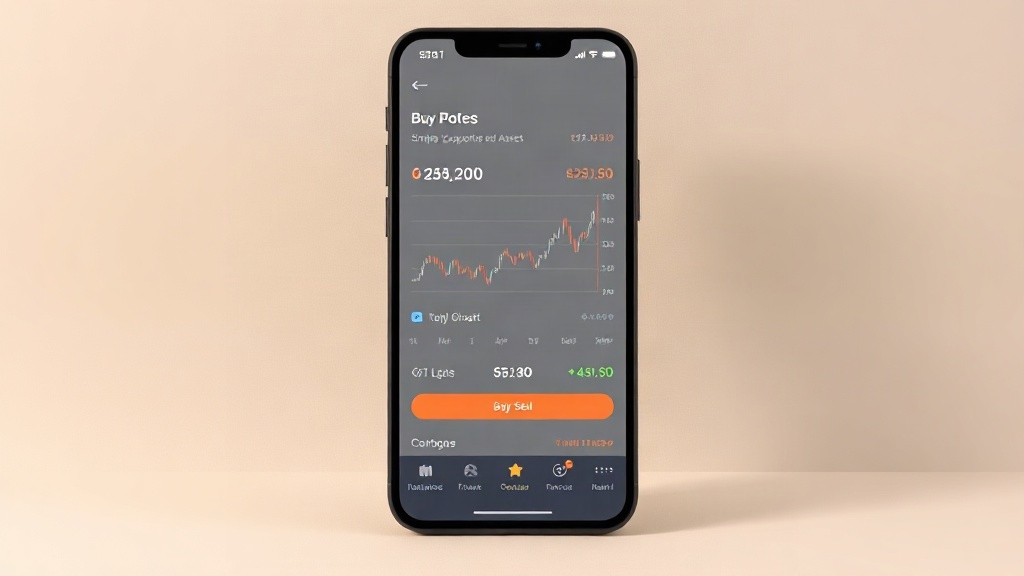
When choosing a cryptocurrency trading platform, users typically consider the following key factors:
- Security: The platform's security measures, historical security record, and asset protection mechanisms are crucial.
- Fee Structure: Trading fees, deposit and withdrawal fees directly impact trading costs.
- Supported Assets: The types of cryptocurrencies and number of trading pairs supported by the platform.
- User Experience: The ease of use of the mobile app, interface design, and customer service response speed.
- Liquidity: Trading depth and order execution efficiency.
- Regulatory Compliance: The platform's compliance status in different jurisdictions.
The cryptocurrency trading market is constantly evolving, and major platforms are continuously innovating and adjusting their strategies to adapt to market demands and regulatory changes.