Cryptocurrency trading platforms are core hubs connecting users to the digital asset market, evolving from centralized exchanges (CEX) to decentralized exchanges (DEX). Concurrently, supporting trading software and data analysis tools are continuously iterating to provide investors with a more efficient and secure trading experience. This article will outline the main market participants, core functionalities, security considerations, and development trends.
Overview of Major Trading Platforms
The global cryptocurrency trading platform market exhibits a diversified competitive landscape. According to publicly available trading volume data, leading platforms typically feature high liquidity, extensive asset support, and comprehensive trading functionalities.
- Binance: As one of the world's leading platforms by trading volume, it serves over 180 countries and regions, offering more than 500 tradable cryptocurrencies, and has built an ecosystem including Launchpad, an NFT marketplace, and a Web3 Wallet.
- OKX: Known for its Web3 Wallet ecosystem and regular Proof of Reserves, its system stability and risk control capabilities have garnered market attention, with trading volume also ranking among the top globally.
- Coinbase: As a compliant platform listed on Nasdaq in the United States, it attracts a wide user base with its robust security system, intuitive user interface, and institutional-grade services.
- Bybit: Excelling in derivatives trading, its spot trading and ecosystem development have also grown rapidly in recent years.
- Gate.io: Renowned for supporting a vast number of niche cryptocurrencies, its trading fee structure, and offering multi-asset trading functionalities (including stocks, forex, etc.).
- Kraken: An established exchange founded in 2011, it has earned user trust through strict compliance procedures and high transparency.
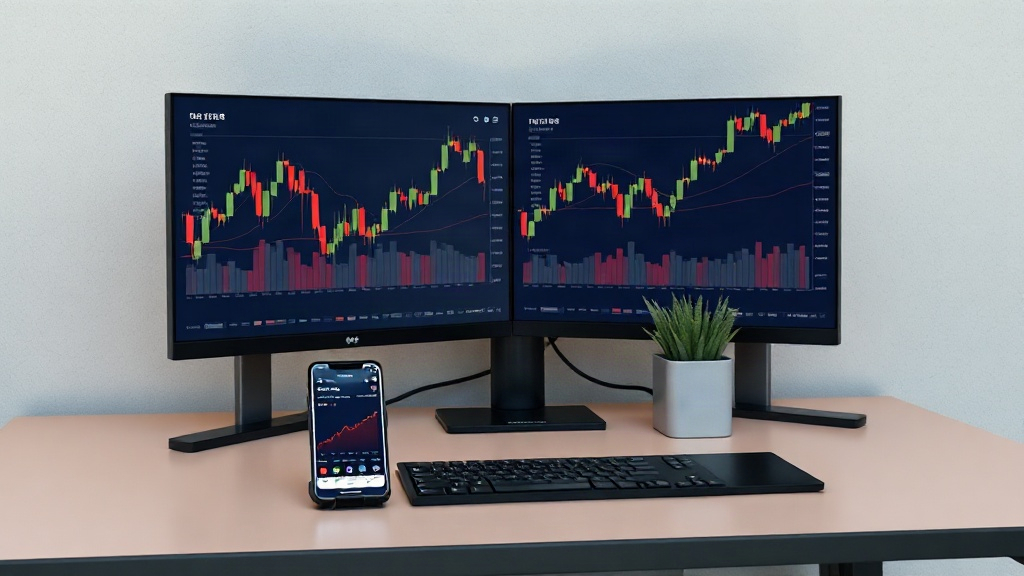
Additionally, decentralized trading applications (such as OrangeRock) are also developing. These typically do not require account registration or fund custody, support multi-chain asset circulation, and offer users non-custodial trading options.
Platform Core Functions and Security Measures

Modern cryptocurrency trading platforms offer services far beyond simple buying and selling. Mainstream functionalities typically include:
- Trading Types: Spot trading, derivatives trading (futures, options), margin trading.
- Financial Services: Staking, wealth management products, lending.
- Ancillary Functions: C2C fiat trading, NFT marketplace, Web3 Wallet integration.
In terms of security, platforms ensure user asset safety through multi-layered measures:
- Asset Transparency: Regular publication of Proof of Reserves (PoR) to verify that the platform holds sufficient user assets.
- Storage Solutions: Adoption of cold and hot wallet separation mechanisms, storing most assets in offline cold wallets.
- Risk Control and Compliance: Implementation of KYC (Know Your Customer) identity verification, real-time transaction monitoring, Anti-Money Laundering (AML) checks, and establishment of user security asset funds (e.g., SAFU) to address potential risks.
Trading Software and Data Analysis Tools

Beyond the platform's built-in trading interface, professional trading software and data analysis tools are crucial for enhancing trading efficiency.
- Trading Functions: Advanced trading software supports various order types, such as limit orders, market orders, take-profit/stop-loss orders, trailing stops, OCO (One-Cancels-the-Other), and TWAP (Time-Weighted Average Price) orders, helping traders meticulously manage risk and execute strategies.
- Mainstream Tools:
- TradingView: A popular charting and analysis platform among traders, offering a wealth of technical indicators and drawing tools.
- CoinGlass: Focuses on cryptocurrency derivatives market data analysis, providing in-depth data such as liquidation heatmaps and liquidity heatmaps.
- Bitsgap and other automated trading tools: Allow users to manage multiple exchange accounts from a single dashboard and support the use of trading bots to execute strategies.
Market Development Trends and Driving Factors
The cryptocurrency trading platform market is undergoing a structural transformation, with key trends including:
- Regulatory Clarity: The gradual clarification of regulatory frameworks worldwide is a key driver for the market's long-term healthy growth. For example, the legislative process in the United States regarding stablecoins is closely watched by the industry.
- Technological Integration and Innovation: Bitcoin Layer 2 solutions, AI Agent ecosystems, and the transformation of decentralized payments and stablecoins as payment infrastructure are expanding the business scope and technological depth of trading platforms.
- Evolving Competitive Landscape: A three-way competition among leading CEXs, innovative small and medium-sized exchanges, and rapidly developing DEXs is driving continuous product and service innovation. The CEX industry is also seeing consolidation trends, with multi-module development becoming common.
- Diversified User Needs: Growing interest from retail investors is leading to increased demand for more professional trading tools, simulated trading environments, and cross-asset class trading (e.g., stocks, commodities).
When choosing a trading platform, users should comprehensively consider its compliance, security record, supported assets, fee structure, liquidity, and customer service quality, and operate in compliance with the laws and regulations of their respective locations.