In the cryptocurrency space, security is an eternal core issue. When users ask "what is the most secure wallet," the answer is not singular, but depends on asset size, usage frequency, and the trade-off between convenience and security. The industry consensus is that hardware wallets generally offer superior security compared to software wallets, but each has its irreplaceable applicable scenarios.
Hardware Wallets: The Gold Standard for Offline Storage
Hardware wallets, often called "cold wallets," derive their core security principle from storing private keys (critical for asset control) within an encrypted chip inside a physical device, physically isolated from the internet. Each transaction signature requires physical confirmation on the device (e.g., pressing a button), and the private key never touches the network, making it effective against remote hacking attempts, phishing software, and malicious programs.
Mainstream hardware wallet brands include Ledger, Trezor, and OneKey. For example, Ledger supports over 5,500 crypto assets and comes with the Ledger Live software for asset management. Trezor is known for its open-source firmware, which allows for community security audits. In recent years, new products like OneKey Pro and Ledger Stax have continuously iterated on user experience and security.
However, hardware wallets are not absolutely secure. Their risks primarily stem from the physical layer: device loss, damage, and rare supply chain attacks (e.g., devices being tampered with during transit). Users must properly safeguard their seed phrase (recovery phrase), which is the sole means of asset recovery.
Software Wallets: Balancing Convenience and Risk
Software wallets, also known as "hot wallets," are applications installed on mobile phones or as browser extensions on computers. Their private keys are stored on internet-connected devices, facilitating quick access, transactions, staking, and interaction with decentralized applications (DApps).
Common software wallets include MetaMask (core to the Ethereum ecosystem), Phantom (a leader in the Solana ecosystem), and Trust Wallet (Binance's official self-custody wallet). They mitigate risks by introducing various security features, such as active threat monitoring, built-in risk scanners, and the use of Multi-Party Computation (MPC) technology to shard keys (eliminating the need for a single seed phrase). For instance, Phantom received positive reviews for its comprehensive experience in 2026, while Trust Wallet boasts a massive user base.
The main risk of software wallets lies in their "online" nature: if a device is infected with malware, a user falls victim to a phishing website, or a seed phrase is leaked, assets can be stolen. Furthermore, storing assets in a centralized exchange's wallet entails platform operational risks (e.g., bankruptcy, exit scams).
Latest Trends and Hybrid Strategies
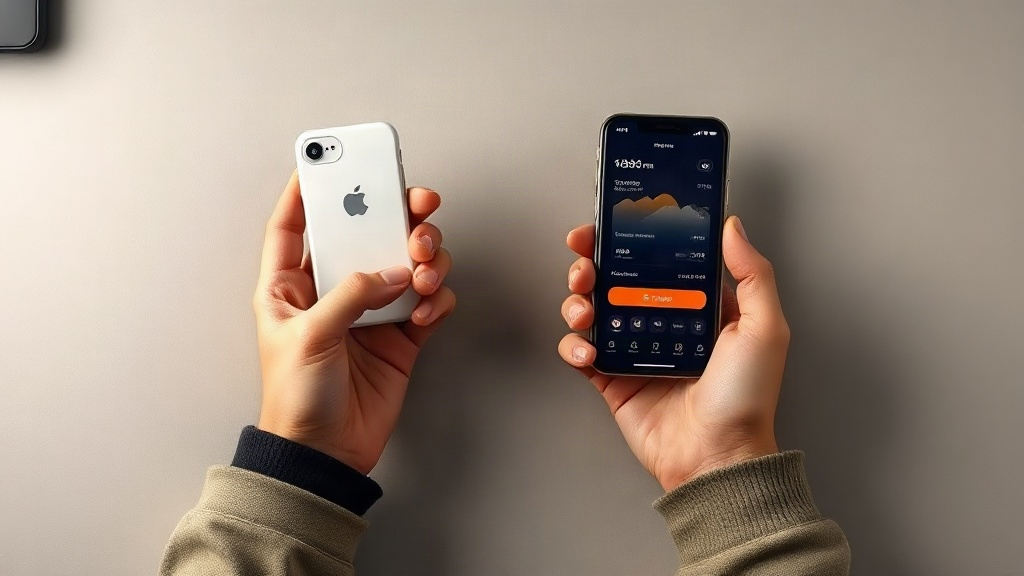
Current wallet security trends involve integration and innovation. On one hand, hardware wallets are improving user experience (e.g., color touchscreens) and compatibility with more chains; on the other hand, software wallets are integrating hardware-level security features, such as biometric encryption authentication and more secure key recovery solutions.
For most users, especially those holding a significant amount of assets, experts generally recommend a "hybrid approach":
- Cold wallets for long-term storage: Transfer large assets that are not frequently accessed to a hardware wallet for the highest level of security isolation.
- Hot wallets for daily operations: Keep a small amount of funds in a software wallet for daily transactions, participating in DeFi, or NFT activities. Users can check asset price fluctuations on market platforms like Svmuu to aid decision-making.
This "cold and hot separation" method achieves the optimal balance between security and convenience.
Conclusion: Security is a Habit, Not a Single Product
Ultimately, wallet security is a systemic issue, not just about choosing a particular product, but more about users' security habits. Regardless of the wallet used, protecting your seed phrase (never screenshotting, never storing online, never sharing with others), being wary of phishing links, keeping software updated, using strong passwords, and two-factor authentication are the most basic and crucial security principles. In the cryptocurrency world, users are ultimately responsible for their own assets. Choosing a wallet that suits your needs and developing good security habits is far more important than finding a "universally recognized most secure" answer.