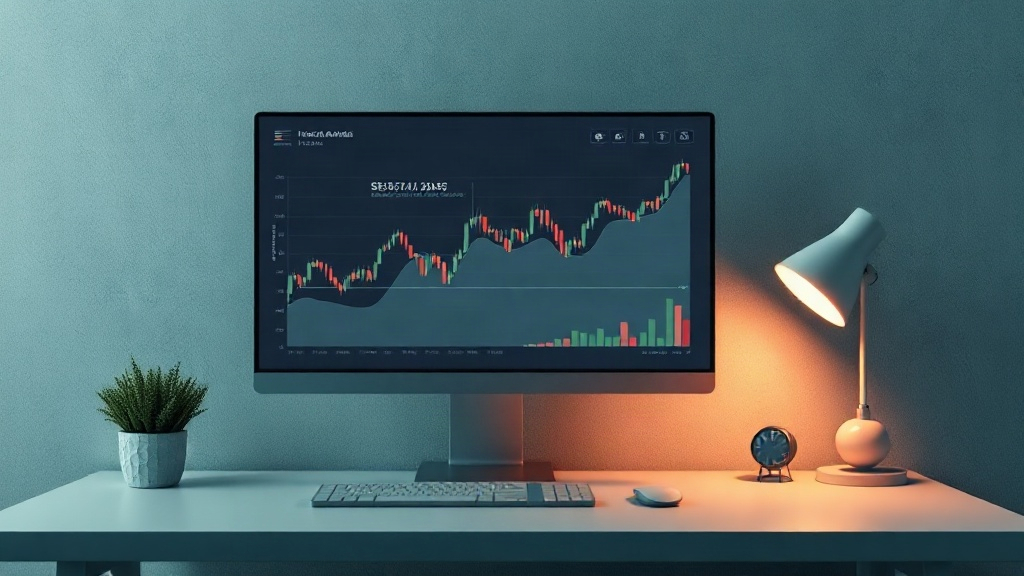
"Virtual asset third-party trading platforms" typically refer to venues for trading crypto assets that are independent of users' self-custodied wallets; "virtual currency stock trading software" mostly refers to tools used for market data viewing, chart analysis, simulated trading, or automated trading. Together, they form the crypto asset trading ecosystem, but their functions, risks, and compliance requirements differ significantly.
What are the types of third-party trading platforms?
Common classifications include Centralized Exchanges (CEX), Decentralized Exchanges (DEX), and hybrid platforms. Popular public platforms on the market include Coinbase, Kraken, Binance, etc., but specific service availability, licensing status, and trading pairs vary by region.
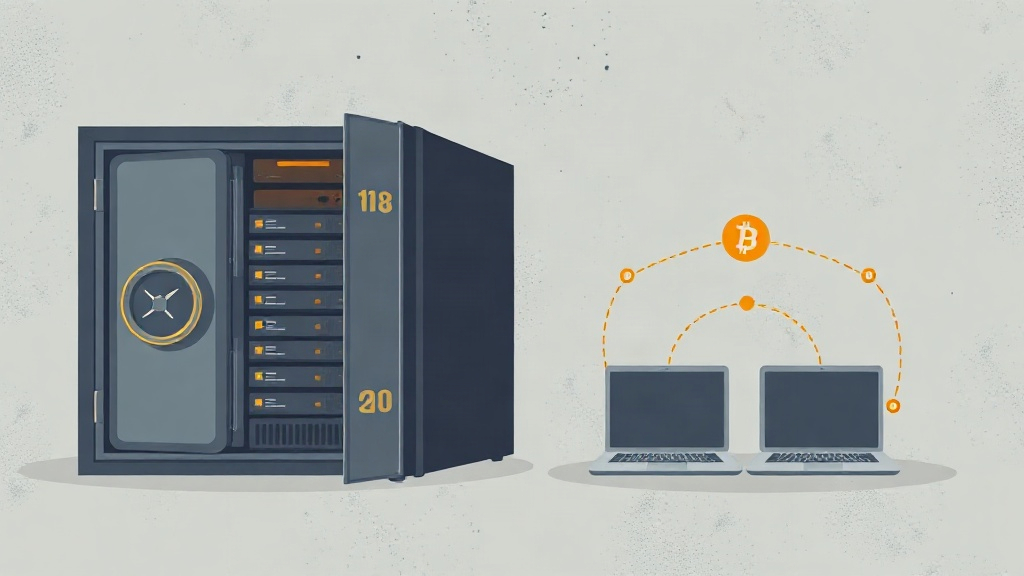
- CEXs are operated by platforms for order matching and account systems; users typically need to complete identity verification, and they offer spot, margin, and futures trading services through a graphical interface.
- DEXs complete exchanges via smart contracts and on-chain liquidity; users rely more on wallets and authorizations and must bear the risks of private keys, contract interactions, and slippage themselves.
- Hybrid platforms combine on-chain assets with off-chain matching, or simultaneously offer custodial and non-custodial services, with specific mechanisms varying by project.
Platforms may also offer market news, lending, staking, and other functions, but not all platforms provide all services in all regions.
What does "stock trading software" refer to in the crypto market?
Here, "stock trading software" does not refer to stock market software, but rather borrows the concept of a market terminal, typically including:
- Market and charting tools: View prices, trading volumes, candlestick charts, and technical indicators.
- Research and information tools: Aggregate project data, on-chain data, news, and reports.
- Simulated trading tools: Practice placing orders with virtual funds to help beginners familiarize themselves with the interface and process.
- Automation or AI tools: Some products claim to offer strategy backtesting, signal alerts, or bot execution.
The tools themselves do not change asset risks. Simulated practice does not equate to real trading profits, and AI signals do not represent reliable predictions.
What should be prioritized when choosing a platform?
Security and compliance are more important than interface or the number of trading pairs. Key areas to verify include:
- Identity verification and account protection: Does it support two-factor authentication, withdrawal whitelists, and device management?
- Asset custody methods: Does it disclose cold/hot wallet management, multi-signature, audits, or proof-of-reserves mechanisms?
- Compliance status: Is it licensed, registered, or does it offer regulated services in the user's jurisdiction?
- Fees and liquidity: Transaction fees, spreads, slippage, depth, and withdrawal rules.
- Disclosure of historical events: Are there records of security incidents, delistings, withdrawal restrictions, or regulatory penalties?
When public information is limited, expectations should be lowered, and self-verification is crucial. "Listed," "supports storage," or "planned launch" should not be interpreted as tradable.
Where do the main risks come from?
Crypto asset trading risks include at least:
- Platform risk: The operator may collapse, misappropriate funds, restrict withdrawals, or face regulatory penalties.
- On-chain interaction risk: Phishing authorizations, smart contract vulnerabilities, private key compromises, and slippage.
- Market risk: High price volatility, and derivative leverage can amplify losses.
- Information risk: Market data software, AI signals, or community recommendations may exaggerate effectiveness.
- Compliance risk: Licensing requirements for trading, custody, lending, and staking activities vary significantly across different regions.
Historically, major trading platforms have collapsed or liquidated, reminding users that assets are not inherently safe. Some projects have short lifecycles and frequent failures, indicating high industry screening costs.
Global regulatory trends and usage boundaries
In 2026, global regulatory discussions are more focused on trading platform licensing, asset custody, anti-money laundering, investor protection, and information disclosure. Some regions require platforms to be licensed or registered, while some jurisdictions prohibit or strictly limit virtual currency trading and related services.

When using platforms or software across borders, the laws of the user's jurisdiction should prevail. If local regulations prohibit such activities, one should not circumvent supervision through alternative channels. Please refer to official announcements and local regulations.