Global Virtual Asset Trading Platforms: Defining Legality
As the virtual asset market continues to evolve, choosing a "legal" trading platform is crucial for investors. Legality typically means that the platform has obtained the necessary operating licenses in a specific jurisdiction and complies with local financial regulations. However, countries worldwide have significantly different regulatory attitudes and frameworks towards virtual assets, so "legal" is not a universal concept.
Regulatory Frameworks in Major Jurisdictions
Strict Prohibition in Mainland China
Since September 2021, mainland China has adopted a policy of comprehensive prohibition on virtual currency transactions. The People's Bank of China and nine other departments jointly issued a notice, explicitly stating that all virtual currency-related business activities are illegal financial activities, including overseas virtual currency exchanges providing services to residents within China via the internet. In February 2026, the People's Bank of China, the China Securities Regulatory Commission, and six other departments reiterated that virtual currencies do not possess the legal status of fiat currency, and China maintains a prohibitive policy on virtual currencies, with all related business activities strictly forbidden. Overseas entities and individuals are also prohibited from providing virtual currency-related services to domestic entities in any illegal form. Although a policy channel has been reserved for limited domestic participation in overseas "Real World Asset Tokenization" (RWA) businesses, this is restricted to overseas operations and requires licenses, and is not aimed at domestic virtual currency transactions.
Hong Kong's VASP Licensing Regime
Hong Kong has taken a significant step in virtual asset regulation. Starting June 1, 2023, Hong Kong officially implemented the Virtual Asset Service Provider (VASP) licensing regime, requiring all centralized virtual asset trading platforms (VATPs) operating in Hong Kong or promoting virtual asset trading services to Hong Kong investors to apply for a license. Unlicensed platforms must cease their operations in Hong Kong by May 31, 2024. For example, a subsidiary of Futu Securities was approved for a VATP license in January 2025 and began offering trading services for Bitcoin and Ether.
Other Major Markets
Major economies such as the United States, EU member states, and Japan have also established their respective cryptocurrency regulatory frameworks, requiring trading platforms to comply with Anti-Money Laundering (AML) and Know Your Customer (KYC) regulations, and may need to obtain specific operating licenses.
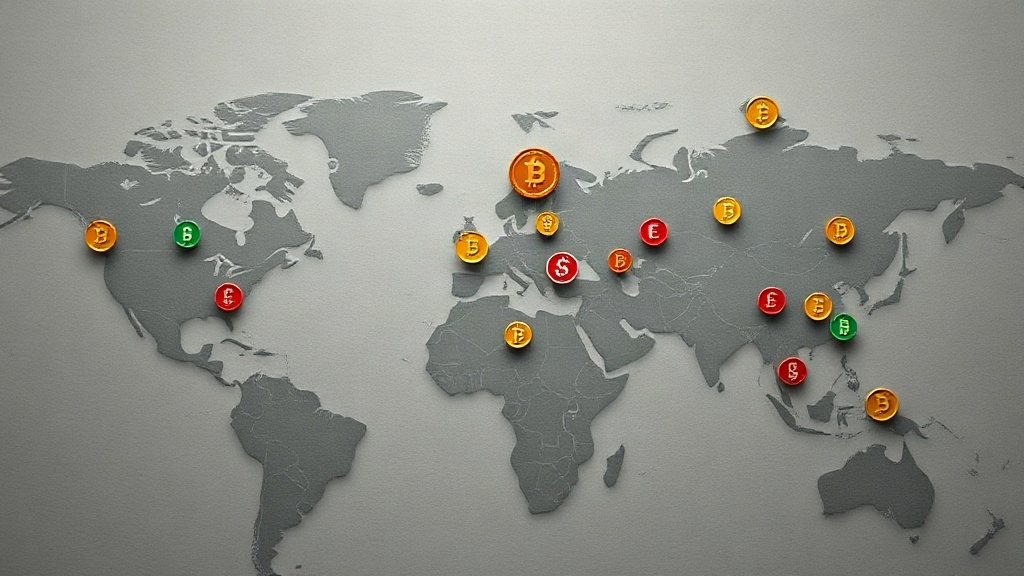
Major Global Compliant Trading Platforms
Under different compliance frameworks, some trading platforms have gained widespread recognition globally or possess legal operating qualifications in specific regions:
- Binance: As of September 2023, Binance maintained the largest global market share, approximately 43.9%. Despite facing regulatory challenges in multiple countries, its entity in Abu Dhabi Global Market (ADGM) is regulated by the Financial Services Regulatory Authority (FSRA).
- Coinbase: As a US digital currency exchange, Coinbase holds legitimate operating licenses and is known for its compliance. It was listed on Nasdaq in April 2021 and became the first cryptocurrency-related stock to enter the S&P 500 in May 2025.
- OKX: Established in 2017, it is one of the world's leading crypto ecosystem builders.
- Upbit: South Korea's largest cryptocurrency exchange, whose market share significantly grew to 11.5% as of September 2023.
- Huobi: Re-entered the top ten global exchanges in 2023, with a market share of approximately 7.8%.
- Bybit: Focuses on mainstream cryptocurrency derivatives trading.
- Kraken: Often listed as a top exchange by institutions like CoinGecko, known for its "Trust Score" evaluation.
Considerations for Choosing a Compliant Platform
When selecting a virtual asset trading platform, investors should prioritize the following factors:
- Regulation and Licensing: Confirm whether the platform has obtained legal operating licenses in your jurisdiction.
- Security: Understand the platform's security measures, including how user assets are stored and anti-theft mechanisms.
- Reputation and History: Examine the platform's operational history, user reviews, and whether any major security incidents have occurred.
- Trading Volume and Liquidity: High trading volume usually means better liquidity, which helps in executing trades more efficiently.
Choosing a legal and regulated trading platform is crucial for safeguarding funds and ensuring the legality of transactions. Investors should always comply with local laws and regulations and be fully aware of the inherent volatility and risks of the virtual asset market.