Key Factors for Choosing a Secure Dogecoin Trading Platform
In digital asset trading, security is the primary concern for users. For Dogecoin (DOGE), a cryptocurrency with a high market capitalization, choosing a secure and reliable trading platform is particularly important. A secure platform typically possesses the following characteristics:
- Robust Security Standards: This includes technical measures such as decentralized wallet storage for user assets, DDoS attack protection, advanced cybersecurity protocols, DNS Security Extensions, and cryptocurrency registration locks.
- Strong Regulatory Compliance: Platforms authorized and regulated by relevant financial institutions offer stronger legal protection and transparency for users. For example, the Uphold platform is authorized and regulated by FinCen.
- User Asset Protection: Some platforms provide insurance funds to address potential security incidents or system failures.
- Diverse Payment Methods: Support for various convenient deposit methods such as bank transfers, debit/credit cards, Apple Pay, and Google Pay.
- Transparent Fee Structure: Clearly lists all fees, including trading fees, deposit fees, and withdrawal fees, to avoid hidden costs.
- Excellent Customer Support: Provides 24/7 customer service so users can get timely assistance when they encounter problems.
Analysis of Mainstream Dogecoin Trading Platforms

Below are some widely recognized mainstream platforms that offer Dogecoin trading and their characteristics:

eToro
eToro is rated by Moneyzine as the overall best Dogecoin exchange, known for its intuitive features, user-friendly interface, and diverse payment options. It is suitable for users who wish to trade multiple assets on a comprehensive platform.
Crypto.com
Crypto.com is recommended by Moneyzine as a beginner-friendly Dogecoin exchange, with its strengths lying in excellent security standards and strong regulatory compliance. The platform offers $0 deposit fees, trading fees starting from 0.075%, and an additional 2.99% fee for credit card purchases.
Uphold
Uphold is known for its transparency and is authorized and regulated by FinCen. The platform primarily charges fees through spreads, ranging from 2.5% to 2.95%.
Coinbase
Coinbase is one of the platforms with the widest variety of cryptocurrencies, boasting over 3,000 digital assets. Its maker fees range from 0% to 0.40%, and taker fees range from 0.04% to 0.60%, depending on the user's monthly trading volume. Coinbase is suitable for users seeking diverse investment options.
Kraken
Kraken offers 24/7 customer support (including phone, live chat, and email) and supports advanced trading features such as margin trading, indices, and futures. According to recent data, Kraken customers purchased approximately 42.65 million DOGE, worth about $3.21 million, in the past 24 hours.
Binance
As one of the world's largest cryptocurrency exchanges, Binance offers deep liquidity for DOGE spot, margin, and futures trading. Statistics show that in Q1 2026, Binance and KuCoin accounted for the major share of global DOGE/USDT trading volume.
KuCoin
KuCoin launched DOGE trading in 2019, and as of February 2026, it has over 41 million registered users. The platform offers spot trading fees as low as 0.1% and supports DOGE futures leverage up to 200x. Its 24-hour Dogecoin trading volume once reached $931.67 million, demonstrating its strong liquidity.
Bitstamp
Bitstamp is favored by some users for its relatively low trading fees.
Robinhood
Robinhood is known for its simple user experience and does not charge direct trading fees, making it a choice for some users.
Personal Asset Security Recommendations
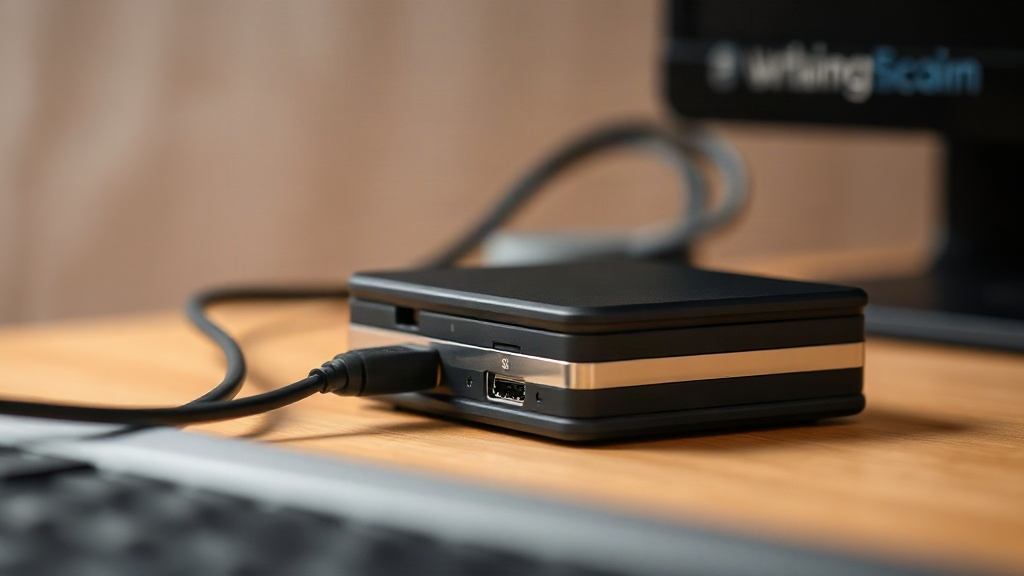
Although centralized trading platforms generally employ multiple security measures, keeping large amounts of cryptocurrency assets on exchanges for extended periods still carries certain risks. Industry experts generally advise users to consider transferring large funds to personal cold storage (such as hardware wallets) after completing transactions to minimize the risk of theft or platform-related issues. Additionally, enabling two-factor authentication (2FA), using strong and regularly updated passwords, and being vigilant against phishing scams are all crucial measures for protecting personal assets.