This article discusses the HERA token identified as Hera Finance in public market data. As of November 2026, trading activity for this token is primarily concentrated on decentralized exchanges rather than mainstream centralized exchanges.
Which exchanges has HERA been listed on?
According to data from tracking platforms such as CoinGecko, the primary trading venue for HERA is Uniswap V3 on the Ethereum network. Mainstream centralized exchanges have not yet directly listed the token, meaning actual buying and selling typically takes place via DEX trading pairs rather than CEX spot accounts.
- Core trading venue: Uniswap V3 (Ethereum)
- Common trading pairs: Pairs such as HERA and USDC
- Network attributes: An Ethereum ecosystem token requiring a wallet that supports Ethereum assets
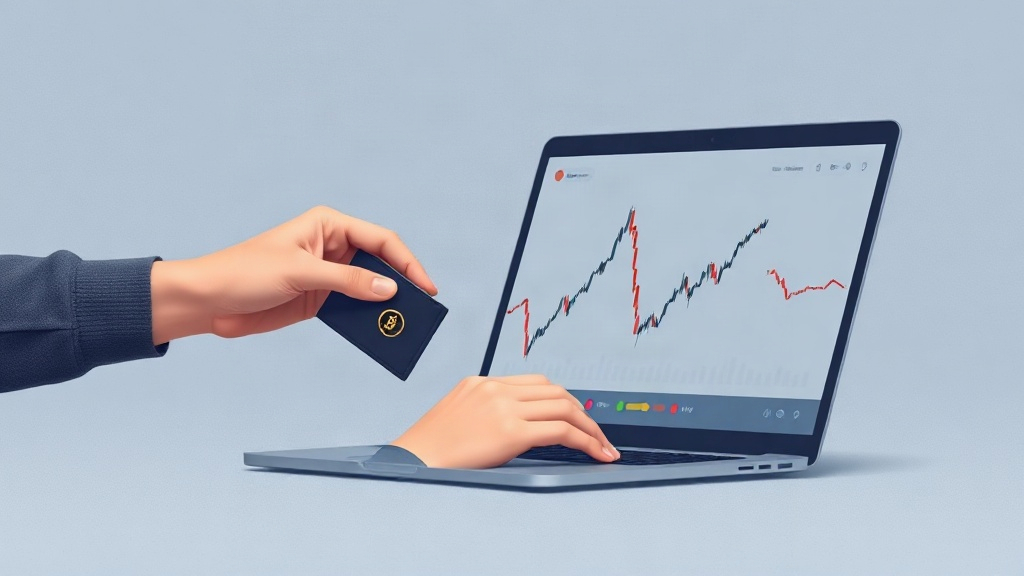
Public market data shows that as of November 2026, HERA has a circulating market capitalization of approximately $8.555 million and a fully diluted valuation (FDV) of about $18.45 million; its circulating supply is roughly 4.6 million tokens, with a maximum supply of 10 million. Market capitalization and supply figures fluctuate based on price and circulating supply metrics, and are for reference only.
What should be confirmed before buying or selling HERA?
Since HERA is primarily traded on Ethereum DEXs, three things should be verified prior to purchase: the token symbol, the contract address, and the underlying network. Assets with identical or similar symbols may exist on Ethereum, and the contract address is the key to distinguishing authentic assets.
- Verify that the asset is the Hera Finance-related HERA token rather than other projects with the same name.
- Cross-check the contract address displayed on official channels or market data platforms to avoid searching for counterfeit assets.
- Confirm that the asset is an Ethereum-chain token and that your wallet supports the corresponding token standards.
General procedure for trading HERA via a DEX
This procedure applies to EVM-compatible tokens and fundamentally involves connecting a self-custody wallet to Uniswap V3 to complete swaps.
- Prepare a Web3 wallet that supports Ethereum, and properly back up your seed phrase and private key.
- Transfer ETH into your wallet to cover gas fees, along with trading pair assets such as USDC.
- Open the official Uniswap frontend and connect your wallet.
- Select trading pairs such as HERA and USDC, input the amount, and check the routing, slippage, and estimated execution.
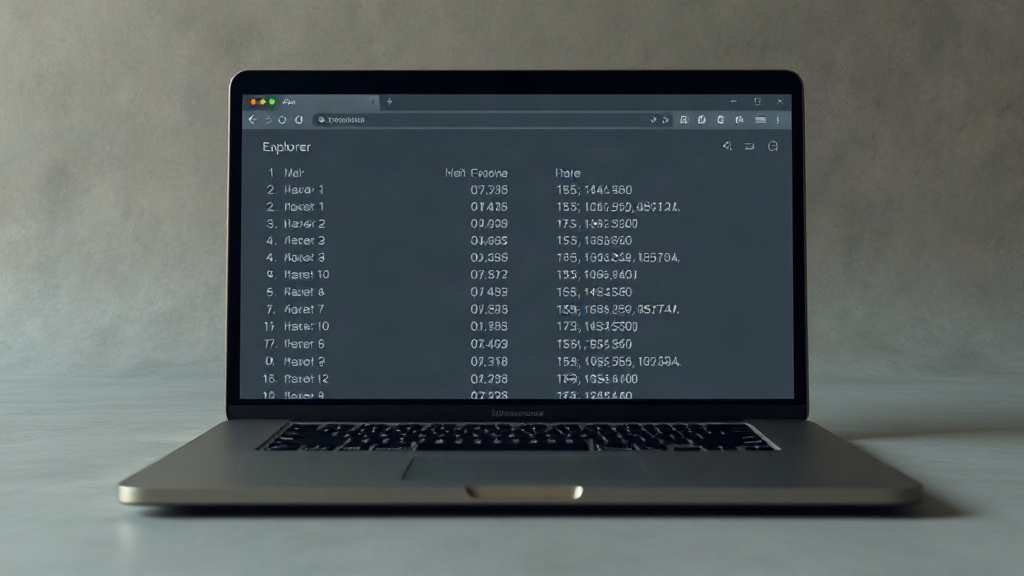
- Confirm the transaction to complete the swap on-chain; you can view transaction records on a block explorer.
If you are merely checking market data, you can search for Hera Finance or HERA on tracking platforms like CoinGecko and CoinMarketCap. However, market listings do not guarantee direct tradability, and actual orders must be based on currently available trading pairs.
Trading risks and considerations
- DEX trading relies on on-chain liquidity; slippage may be high when market depth is insufficient. For large swaps, it is advisable to conduct small test transactions or batch your operations.
- Approving smart contracts carries security risks; avoid granting unlimited approvals to unknown contracts and periodically revoke unused allowances.
- Gas fees, price volatility, and failed transactions may incur costs—always verify the network and your balance before operating.
- Certain jurisdictions impose different regulatory requirements on crypto asset trading; please comply with local laws and regulations.
This article only introduces publicly verifiable trading channels and general procedures, and does not constitute investment advice.