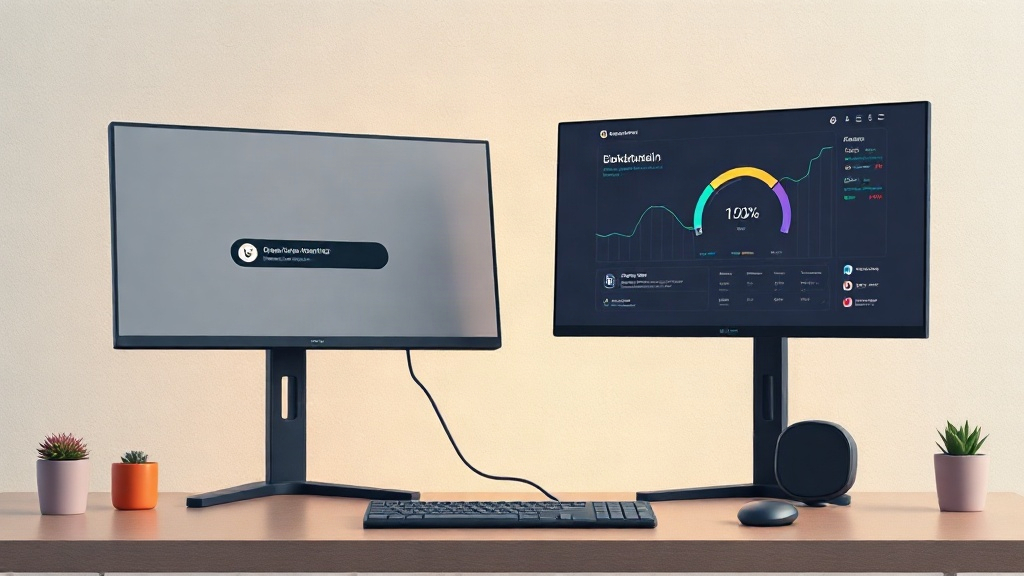
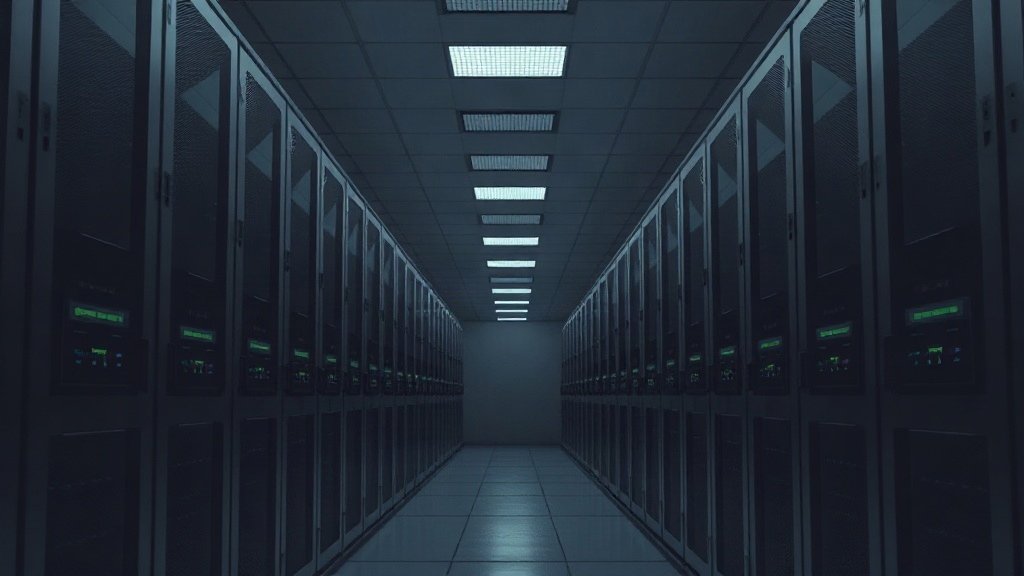
Computing power, in short, refers to computational capacity, which is a core metric for measuring how fast a computer, server, or data center processes data per unit of time. With the rapid development of artificial intelligence, blockchain, and scientific computing, computing power has become a key "new productive force" driving the development of the digital economy.
Definition of Computing Power: From Narrow to Broad
In a narrow sense, computing power usually refers to the hardware performance of computing cores such as central processing units (CPUs), graphics processing units (GPUs), or specialized artificial intelligence chips (such as NPUs). Its essence is the speed at which mathematical operations (such as floating-point operations) are executed.
In a broader sense, however, the concept of computing power goes beyond a single computing chip. As viewpoints put forward by industry players such as Huawei and Alibaba Cloud suggest, modern computing power is a comprehensive capability that integrates information computing capacity, network carrying capacity, and data storage capacity. It encompasses the overall performance ranging from chips, servers, and data centers to network transmission, serving as the cornerstone supporting complex applications such as cloud computing, big data, and artificial intelligence.
Units of Measurement for Computing Power
The magnitude of computing power is typically measured in Floating-point Operations Per Second (FLOPS). With the exponential growth of computing capacity, the units are constantly upgrading:
- KFLOPS/MFLOPS/GFLOPS: Representing thousand, million, and billion floating-point operations per second, respectively.
- TFLOPS: Trillion floating-point operations per second, which is a common magnitude for modern high-performance GPUs.
- PFLOPS/EFLOPS: Quadrillion and quintillion floating-point operations per second, typically used to describe supercomputers or the total computing power scale of a country or region. For instance, data shows that China's total computing power scale reached 369.5 EFLOPS in 2025.
Evolution and Key Scenarios of Computing Power
The history of computing power's development parallels the evolution of computing devices. At the birth of electronic computers in the 1940s, computing power primarily served specific complex calculations in fields such as military applications (e.g., ballistic calculations). Since then, computing power has gradually penetrated into scientific research, commercial, and personal computing domains.
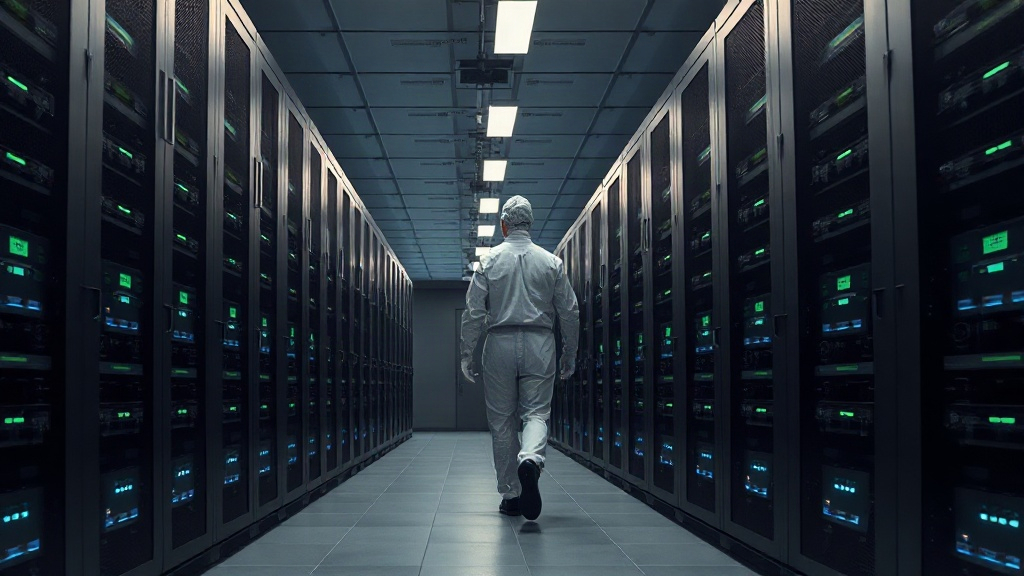
In recent years, two major scenarios have generated explosive demand for computing power:
- Artificial Intelligence and Large Models: Training and running large-scale artificial intelligence models, especially generative AI, require massive parallel computing capabilities, which has significantly driven the development of high-performance computing chips such as GPUs.
- Blockchain and Cryptocurrency Mining: In blockchain networks such as Bitcoin that adopt the Proof of Work (PoW) mechanism, "computing power" specifically refers to the speed at which mining machines perform hash calculations, directly determining the probability of obtaining bookkeeping rights (i.e., mining new blocks). This represents the application of computing power in a specific domain.
Computing Power Market Outlook
Computing power has become a key arena for global technological competition and investment. Several market research institutions have made predictions regarding this. For example, Inspur Information projected in a 2025 report that by 2029, the total global computing market scale will reach $200 billion, of which the AI computing market will account for approximately $90 billion, with an annual growth rate expected to outpace the general-purpose computing market. CCID Consulting similarly projected that by 2029, China's general-purpose computing and AI computing markets will also reach scales of tens of billions of dollars respectively.
These forecasts point to a common trend: the growth rate of computing power demand oriented toward intelligent computing scenarios such as AI is significantly surpassing traditional general-purpose computing, becoming the primary engine of market growth.
Conclusion
Computing power is the "engine" of the digital world, with its connotation expanding from chip performance to a comprehensive system of computing, storage, and network synergy. Understanding the measurement, evolution, and market dynamics of computing power helps us grasp the trajectory of the digital transformation process ranging from personal devices to national infrastructure. Whether running an AI application or participating in a specific blockchain network, computing power provides the most fundamental support behind the scenes.