Since its inception, Bitcoin (BTC) has been the focus of discussion among markets and scholars regarding its role in the financial system. It is widely regarded as “digital gold,” possessing the potential to serve as both a safe-haven asset and a reserve asset, yet it also faces significant volatility and regulatory challenges.
Bitcoin As “Digital Gold” and a Safe-Haven Asset

The term “digital gold” stems from the similarities between Bitcoin and gold, particularly in terms of scarcity, limited supply, and the ability to hedge against inflation.
- Scarcity and Limited Supply: The total supply of Bitcoin is capped at 21 million coins, and the rate of new coin issuance is controlled through a “halving” mechanism, ensuring its scarcity. This limited supply contrasts with the unlimited issuance of fiat currencies, making it more attractive during periods of inflation. Gold, too, derives its value from its scarcity in the Earth’s crust.
- Decentralization and Inflation Hedging: Bitcoin operates on a decentralized network and is not controlled by any central authority or government, which makes it a potential safe-haven asset during times of economic instability. Gold is also considered a safe-haven asset because its value does not depend on government institutions.
- Potential as a Store of Value: Many supporters believe Bitcoin has the potential to serve as a long-term store of value, particularly as a hedge against inflation. Institutions such as BlackRock even argue that Bitcoin should not be viewed as a risky asset, but rather as a safe-haven asset, with its scarcity, decentralization, and non-sovereign nature giving it a unique position in global markets.
However, the effectiveness of Bitcoin as a safe-haven asset remains controversial.
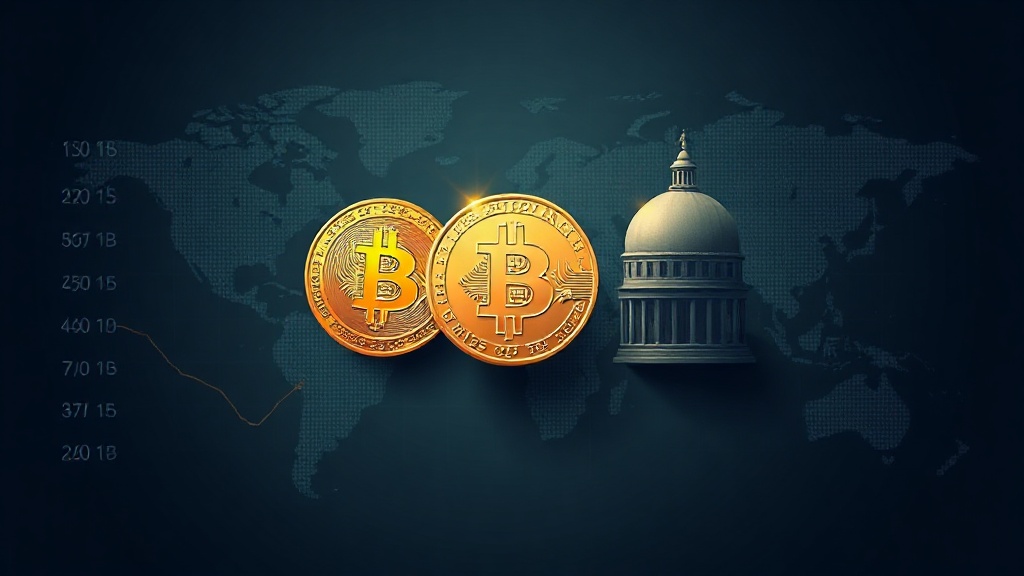
- Price Volatility: Bitcoin’s price volatility is extremely high, and it may experience sharp fluctuations in the short term—a marked contrast to traditional, stable safe-haven assets such as gold or U.S. Treasury bonds.
- Correlation with Stock Markets: During certain periods of market panic (such as the early stages of the 2020 pandemic), Bitcoin’s price fell in tandem with stock markets, undermining its role as a “contrarian asset” and safe haven. Data from March 2026 shows that the 30-day correlation between Bitcoin and the S&P 500 reached 0.74, indicating that their price movements tend to move in tandem.
- Limited historical data: Bitcoin has a history of only about a decade and has not yet experienced a full economic cycle, making it difficult to validate its long-term safe-haven status in the same way as gold.
- Impact of institutional capital: The launch of spot Bitcoin ETFs has brought more institutional investors into the market; their trading behavior may increase the correlation between Bitcoin and traditional financial assets, making it more akin to a high-beta risk asset.
Bitcoin Rise as a Reserve Asset
Despite the controversy, Bitcoin’s status as a reserve asset is gradually rising, particularly at the corporate and national levels.
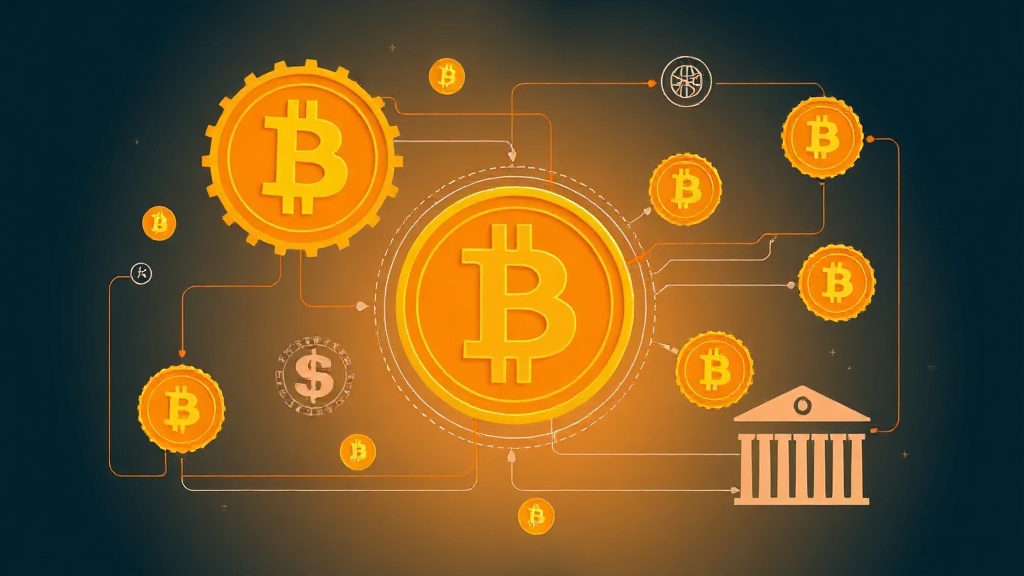
- Corporate and Institutional Adoption: An increasing number of companies and financial institutions are incorporating Bitcoin into their balance sheets or investment portfolios. For example, MicroStrategy has become a leading Bitcoin holder, holding a substantial amount of Bitcoin. The launch of the spot Bitcoin ETF has also provided institutional investors with a more convenient channel for allocation.
- National Strategic Reserves: Some countries have begun to view Bitcoin as part of their national strategic reserves to diversify assets, combat inflation, and enhance economic stability.
- United States: The United States has accumulated a large amount of Bitcoin through law enforcement seizures of illicit activities, and there are discussions about incorporating it into its strategic reserves.
- China: Although cryptocurrency trading is prohibited, the Chinese government has also confiscated large amounts of Bitcoin through crackdowns on illegal activities, making it part of the country’s asset reserves.
- El Salvador: El Salvador is the first country in the world to adopt Bitcoin as legal tender and is actively incorporating it into its national reserves.
- Bhutan: Bhutan has accumulated Bitcoin reserves through hydropower-powered mining.
- Other Countries: Switzerland, Germany, the United Kingdom, Ukraine, and other nations are also considering or have already acquired Bitcoin as reserves.
- Hedging Against Inflation and Financial Sovereignty: Bitcoin’s limited supply and decentralized nature lead some countries to view it as a tool for hedging against inflation and reducing dependence on traditional reserve currencies such as the U.S. dollar, thereby enhancing financial sovereignty.

Conclusion and Outlook
Overall, Bitcoin’s positioning as both a safe-haven asset and a reserve asset is complex and dynamic. It possesses the scarcity, decentralization, and anti-inflationary potential of “digital gold,” attracting the attention of certain investors and nations.However, its high volatility and correlation with traditional financial markets mean that it still faces challenges in serving as a purely safe-haven asset in the short term.
As institutional investors and sovereign nations increasingly embrace Bitcoin, and as related financial products (such as spot ETFs) become more widespread, Bitcoin is gradually transitioning from a speculative asset to an institutional-grade reserve asset. This transformation may profoundly impact the global monetary landscape and financial system over the next decade and beyond.

When considering Bitcoin, investors should fully recognize its high volatility and allocate their investments prudently based on their own risk tolerance. For more real-time quotes and market updates on Bitcoin, follow professional cryptocurrency news platforms such as Svmuu.