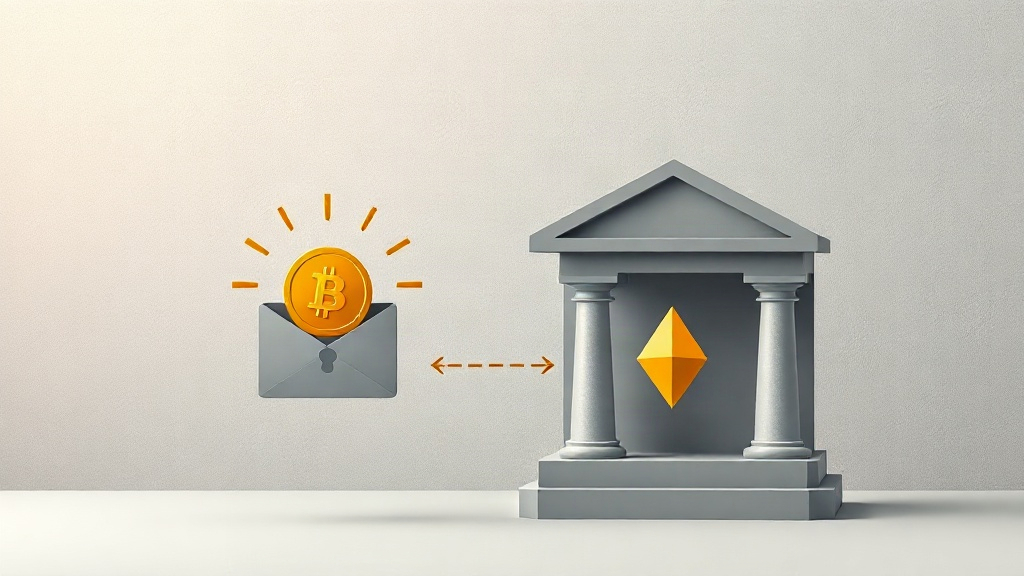
Distinguishing ENSA Coin from Ethena (ENA)
In the cryptocurrency space, similarly named projects often lead to confusion. When " ENSA Coin" is mentioned, it typically refers to a defunct project, while many people may actually be interested in the currently active Ethena (ENA) protocol and its governance token.

ENSA Coin: A Defunct Blockchain Project
According to public information, ENSA (ENSA) was once a cryptocurrency project operating on an independent blockchain. However, its official website (enschain.org) has been offline since October 2024 and is currently inactive. The token no longer has an active trading market, lacks available market data such as price charts, market capitalization, or circulating supply, and is generally classified as a "defunct coin."
Ethena (ENA): Synthetic Dollar Protocol and its Governance Token
Unlike ENSA, Ethena (ENA) is an active and highly-watched decentralized finance (DeFi) project. It is an Ethereum-based synthetic dollar protocol designed to provide a scalable and censorship-resistant crypto-native money solution independent of traditional banking infrastructure. Its core products are USDe, a synthetic stablecoin, and the ENA governance token.

Ethena Project Positioning and Goals
- Synthetic Dollar USDe: The Ethena protocol is dedicated to creating "Internet Bonds." Its main product, USDe, is a synthetic stablecoin designed to achieve value stability on-chain through financial engineering. It offers censorship resistance, global accessibility, and built-in yield mechanisms, positioning itself as a crypto-native alternative to traditional stablecoins (such as USDC, USDT).
Ethena Technology and Mechanism
- Delta Hedging Strategy: Ethena employs a "Delta hedging" strategy to maintain the value stability of USDe. When users deposit Ethereum (ETH) or staked ETH (stETH) as collateral to mint USDe, the protocol simultaneously opens equivalent ETH perpetual futures short positions on centralized exchanges to hedge against the price risk of the collateral.
- Yield Sources: USDe holders' yield primarily comes from staking rewards on ETH collateral and funding rates from short futures positions.
- Asset Security: The protocol utilizes specialized custody providers to secure collateral assets and collaborates with major crypto exchanges for derivatives trading.

ENA Token Role
- Governance Token: ENA is the ERC-20 governance token of the Ethena ecosystem. ENA holders can participate in on-chain voting to govern key protocol decisions, such as collateral types, risk parameters, fee structures, and more.
- Ecosystem Participation: ENA can also be used for trading, staking, and participating in the protocol's liquidity provision and collateral. Staking ENA can earn a portion of the protocol's revenue.
Ethena Market Data Overview
As of August 30, 2026, Ethena (ENA) has a market capitalization of approximately $1.52 billion, with a circulating supply of about 9.83 billion ENA. The token reached its all-time high of $1.52105 on April 10, 2024.

Ethena Stakeholders and Market Views
Ethena Labs is the development team behind the project. The project has received support from prominent figures and organizations in the cryptocurrency and finance sectors, including a $6 million seed round led by Dragonfly and backing from BitMEX founder Arthur Hayes.
The market generally views Ethena as a promising player in the DeFi space, with its USDe considered an alternative to traditional stablecoins due to its stability, scalability, and censorship resistance. However, investors should also be aware of potential risks, including a prolonged negative funding rate environment, exchange counterparty risk, and regulatory scrutiny of synthetic asset structures.
How to Acquire Ethena (ENA)

ENA, as an ERC-20 token, can be traded on trading platforms that still support it. Please verify its listing status before trading. Users can connect Web3 wallets (such as MetaMask) that support the Ethereum network to decentralized exchanges (DEXs) for swaps, or trade on centralized exchanges that support ENA.