IOEN Project Overview and Technical Foundation
Internet of Energy Network (IOEN) is a community-driven network built on Holochain technology, with the core goal of accelerating the global transition to a clean energy future by creating interconnected mini-grids. The project aims to empower households to operate as smart, cooperative power systems, thereby forming virtual microgrids for efficient energy distribution and management.

IOEN leverages Holochain's distributed ledger technology to provide underlying support for device interconnection. In its tokenomics model, IOEN tokens (ERC-20 standard) and local community points IOEC are used to cover costs and provide incentives, promoting energy transactions and collaboration within the network.
IOEN Market Performance and Circulation Status
The IOEN token was listed on the centralized exchange Gate.io and the decentralized exchange UniSwap in October 2021, following a dual IDO through TrustSwap and TrustPad. The project raised approximately $2.77 million across 7 funding rounds, including seed, equity, strategic, private, and IDO rounds, indicating early market recognition of its vision.
However, as of September 28, 2026, the market activity of the IOEN token has significantly declined. According to CoinGecko data, its 24-hour trading volume is approximately $51, Coinbase shows $29.97, while CoinMarketCap displays no trading data. The current price is around $0.0009343, a drop of over 99.8% from its all-time high of $0.5141 on November 15, 2021. Given its extremely low trading volume and market activity, the token currently has no active trading market.
Broad Concept of Internet of Energy (IoE) and Market Trends
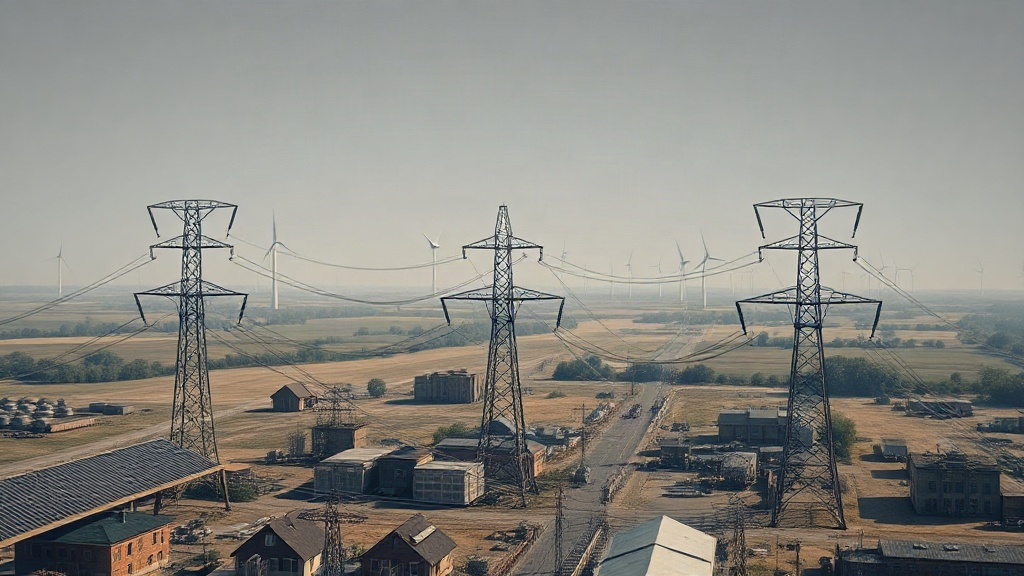
The IOEN project is situated within the broader concept of the “Internet of Energy” (IoE). The IoE is a smart energy infrastructure system that integrates IoT technology, connecting all nodes in the power grid, including generation, load, distribution, and storage. This concept relies on four pillars: "people, data, things, and processes," aiming to comprehensively upgrade and automate energy production and delivery, balance energy supply and demand, and facilitate the large-scale integration of renewable energy into existing grids.
The global IoT market in the energy sector is experiencing significant growth. For example, the U.S. federal government authorized $10.5 billion through the "Grid Resilience and Innovation Partnerships" program, with $3 billion allocated for smart grid grants. Increased data center power consumption and weather-related grid outages are driving investments in real-time monitoring, edge computing, and predictive asset management. Technology providers are also actively integrating IoT connectivity with AI-based grid orchestration, cybersecurity, and cloud platforms. In South America, led by Brazil, countries are transitioning to digitalized structured distribution networks, with smart meters, remote asset monitoring, and distribution automation becoming increasingly important. It is predicted that the global IoT in energy market valuation will reach $37.3 billion in 2025 and is expected to grow to $99.15996 billion by 2033, with a compound annual growth rate of approximately 13% from 2026 to 2033.

IOEN's Funding History and Core Team
The IOEN project received support from multiple parties during its initial phase. Its fundraising activities included:
- Seed Round: $400,000 (Q2 2021)
- Equity Funding: $100,000 (Q2 2021)
- Strategic Round: $100,000 (Q3 2021, price $0.02)
- Private Round: $1.7 million (Q3 2021, price $0.015)
- IDO (TrustSwap): $235,000 (October 9, 2021, price $0.025)
- IDO (TrustPad): $240,000 (October 13, 2021, price $0.025)

The core team members include Chief Architect Mike Gamble, and CTO and Co-founder Simon Wilson, who has extensive experience in financial services and blockchain technology. IOEN's predecessor was RedGrid, a clean energy technology company founded in 2017, which developed and deployed the key infrastructure behind IOEN's open-source technology. RedGrid and IOEN operate as independent entities, with the former being a for-profit enterprise and the latter a non-profit organization.
IOEN's Ecosystem Partners and Future Vision
IOEN's ecosystem is supported by strategic investors like SL2 Capital and has entered the market through platforms such as Gate.io, TrustSwap, TrustPad, and UniSwap. The project aims to create a new energy economy that maximizes the use of renewable energy in the grid and provides affordable clean energy for all. Its agent-based architecture is considered a differentiating advantage, designed to address issues of scalability, privacy, agility, and resilience in traditional software architectures.
Against the backdrop of immense transformation pressure in the global energy and utility industry, IoT technology is seen as key to improving grid efficiency and performance. Deloitte Insights points out that IoT can enhance grid resilience through three stages: collecting sensor data, actively managing resources, and optimizing decision-making. Investors remain confident in the long-term prospects of IoT startups, despite a general cooling in the venture capital market.

For the IOEN project, despite the promising outlook of the Internet of Energy sector it operates in, its token's current trading activity and market performance have almost stagnated. Investors considering related investments should fully understand the project's current status and verify the latest prices and project information on market platforms like Svmuu, carefully assessing potential risks.