



Binance Coin (BNB) is the native token issued by the cryptocurrency exchange Binance. It was initially launched in July 2017 as an Ethereum ERC-20 token and later migrated to its self-developed BNB Chain (formerly Binance Smart Chain). The value of BNB is reflected not only in its various functions within the Binance platform but also in its role as the core fuel for the BNB Chain ecosystem.
BNB's Core Functions and Market Position
The application scenarios for BNB have expanded far beyond its initial use for trading fee discounts. Users can now use BNB to pay for flights, hotels, and various goods and services. At the blockchain level, BNB is essential for transaction fees and smart contract execution on the BNB Chain network, and it is widely used in decentralized finance (DeFi), non-fungible tokens (NFTs), blockchain games, and infrastructure projects.
As of October 14, 2026, the price of BNB is approximately $736 to $750, with a market capitalization ranging from $98 billion to $100 billion and a circulating supply of approximately 133.1 million tokens. BNB Chain aims to reduce the total supply from 200 million to ultimately 100 million through automatic burning and the BEP-95 real-time burning mechanism, achieving a deflationary goal. As of May 2026, BNB Chain is considered one of the leading Layer-1 blockchains in terms of user engagement and network activity.
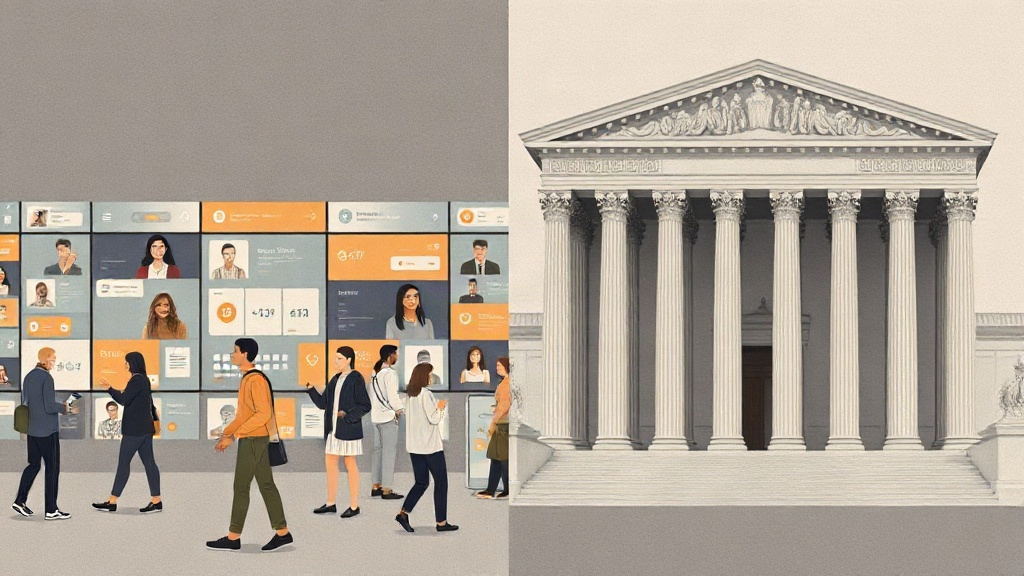
Global Market Acceptance: Opportunities in Emerging Markets
The Binance platform operates in over 100 countries globally, boasting a massive user base. BNB's adoption is particularly prominent in emerging markets such as Asia, Latin America, the Middle East, and Africa. These regions often have relatively flexible or developing regulatory frameworks for cryptocurrencies, and Binance actively expands its operations by establishing local entities and seeking local licenses.
For example, Binance regained operating licenses and resumed related services in India (August 2024) and Italy (May 2022). BNB Chain's high throughput and low transaction costs also make it a preferred choice for many developers and users in emerging markets to build and use decentralized applications.
Major Adoption Barriers: Regulatory Challenges
The biggest obstacle to BNB's global adoption comes from regulatory scrutiny and restrictions on the Binance platform in various jurisdictions. BNB's market acceptance is deeply tied to Binance's own compliance status.
- United States: Regulatory challenges are most severe. In November 2023, Binance admitted to violating U.S. anti-money laundering regulations, paying a $4.3 billion fine, and its founder Changpeng Zhao (CZ) pleaded guilty. As of October 2026, the U.S. Department of Justice is still reviewing whether Binance has fulfilled its settlement obligations. Binance.US, Binance's operating entity in the U.S., has a strictly limited scope of business.
- European Union: Regulatory pressure continues to mount. In May 2026, Binance was banned from operating in the EU, with EU officials questioning its use of "reverse solicitation" exemption rules. This ban directly affected EU residents' access to BNB and related services.
- United Kingdom: The UK Financial Conduct Authority (FCA) ordered Binance to cease all regulated activities in the UK in June 2021, and a full license has not yet been restored.
- Other Regions: Due to an inability to meet local regulatory requirements, Binance exited the Canadian and Dutch markets in 2023. In markets like Japan, Binance also faced operational restrictions, which it later addressed by establishing licensed local entities (e.g., Binance Japan).
Regulators' concerns primarily focus on anti-money laundering compliance, customer asset protection, the definition of securities (some regulators consider tokens like BNB to be securities), and platform operational transparency.

Summary and Outlook
BNB has secured a significant position in the global cryptocurrency market due to its extensive utility and robust underlying blockchain ecosystem. Its acceptance in emerging markets is high, showing significant growth potential. However, in mature markets such as North America and Europe, strict regulatory environments pose major adoption barriers, directly stemming from ongoing regulatory scrutiny of Binance's global operations.
In the future, BNB's global adoption path will largely depend on Binance's ability to continuously meet the complex compliance requirements of different jurisdictions, and on the BNB Chain ecosystem's capacity to demonstrate stronger decentralized value and resilience independently of centralized platforms.









