



Overview of the Digital Asset Deposit Process
Depositing digital assets into a cryptocurrency exchange is the first step users take to trade, invest, or manage their digital assets.This process involves transferring a specific digital currency from a personal external wallet or another trading platform to the user’s account on the target trading platform. Although the basic process is straightforward, key details within it—if mishandled—can result in the permanent loss of assets; therefore, exercising caution is crucial.
Core Deposit Steps
The basic process for depositing digital assets typically includes the following steps:
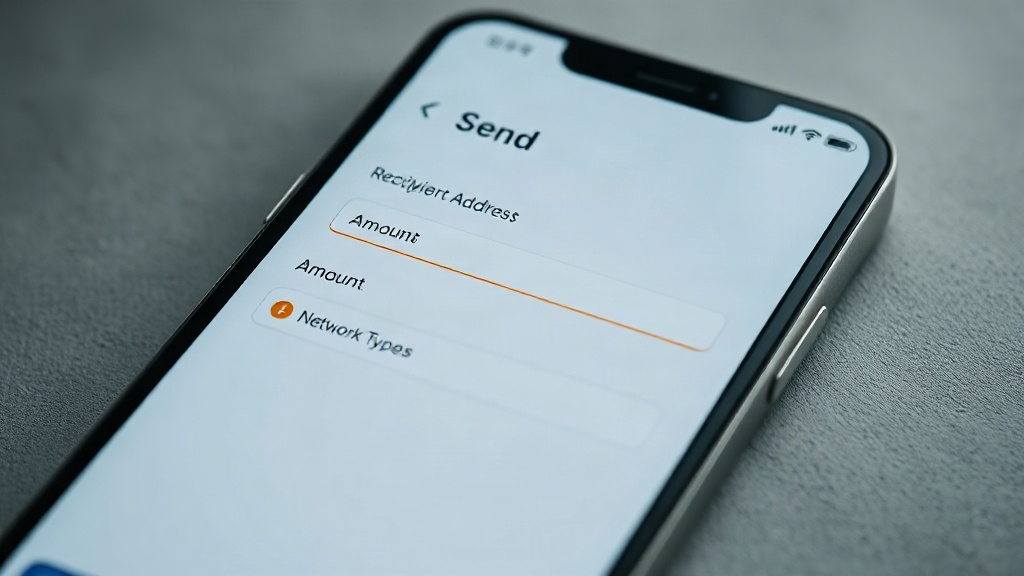
- Log in to the platform and select “Deposit”: First, users need to log in to their account on the target cryptocurrency exchange and locate the “Deposit” option.
- Select the Digital Asset and Network: On the deposit page, select the specific digital asset you wish to deposit, such as Bitcoin (BTC), Ethereum (ETH), or Tether (USDT). Next, a crucial step is to select the correct blockchain network.For example, USDT may support multiple networks such as ERC-20 (Ethereum network), TRC-20 (Tron network), or BEP-20 (Binance Smart Chain).
- Obtain the Deposit Address: The platform will generate a unique deposit address based on the cryptocurrency and network you selected. This address is typically displayed as text and accompanied by a QR code for scanning.
- Initiate the transfer: Copy or scan this deposit address, then paste it into your external wallet (such as a Web3 wallet like MetaMask) or the “Withdrawal” page of another cryptocurrency exchange. Enter the amount you wish to deposit and confirm the transfer.
Key Precautions and Risk Mitigation
To ensure a safe and smooth deposit process, users must pay close attention to the following points:
- Network Matching: This is the most critical step. You must ensure that the blockchain network selected by the sender (external wallet or another platform) and the recipient (target trading platform) are exactly the same. For example, if you select the TRC-20 network to deposit USDT on the trading platform, you must also select the TRC-20 network for the withdrawal on the sender’s end.Selecting the wrong network is one of the most common causes of permanent loss of digital assets.
- Memo/Tag Requirements: For certain digital assets, such as XRP, EOS, or XLM, you must include a Memo or Tag in addition to the deposit address.These identifiers are used to distinguish between funds from different users deposited to the same address. Omitting or incorrectly entering a Memo/Tag may result in the deposit not being credited, requiring additional manual intervention or even making the assets unrecoverable.
- Minimum Deposit Amount: Most trading platforms set a minimum deposit amount for each digital asset. Deposits below this threshold may not be credited, and the assets may be unrecoverable. Before depositing, be sure to verify the specific minimum amount on the deposit page.
- Address Verification: Before confirming the transfer, be sure to carefully verify every character of the deposit address to ensure it is correct. We recommend using the copy-and-paste function and verifying the first and last few characters.
Deposit Processing Time, Fees, and Security Measures
Since digital asset deposits involve blockchain networks, their processing times and fees differ from those of traditional bank transfers.

- Processing Time: Cryptocurrency deposits typically take anywhere from a few minutes to several hours to be credited, depending on the congestion of the selected blockchain network and the number of network confirmations required by the platform. For example, the Bitcoin network may require more confirmation time. Stay tuned to Svmuu for ongoing updates on this matter.
- Fees: Most cryptocurrency exchanges do not charge fees for deposits themselves. However, the sender (your external wallet or withdrawal platform) typically charges a network miner fee to cover the transaction processing costs on the blockchain network.
- Security Tips: To enhance account security, users are advised to enable two-factor authentication (2FA). Additionally, some platforms (such as Bybit) offer an address risk verification feature for VIP users to assess the risk associated with deposit source addresses. Depending on local regulatory requirements, some users may need to complete cryptocurrency Travel Rule verification before making a deposit.
By following the guidelines above, users can deposit digital assets more securely and efficiently, thereby better participating in the cryptocurrency market.









