



What is MCRT: The Utility Token in the MagicCraft Ecosystem
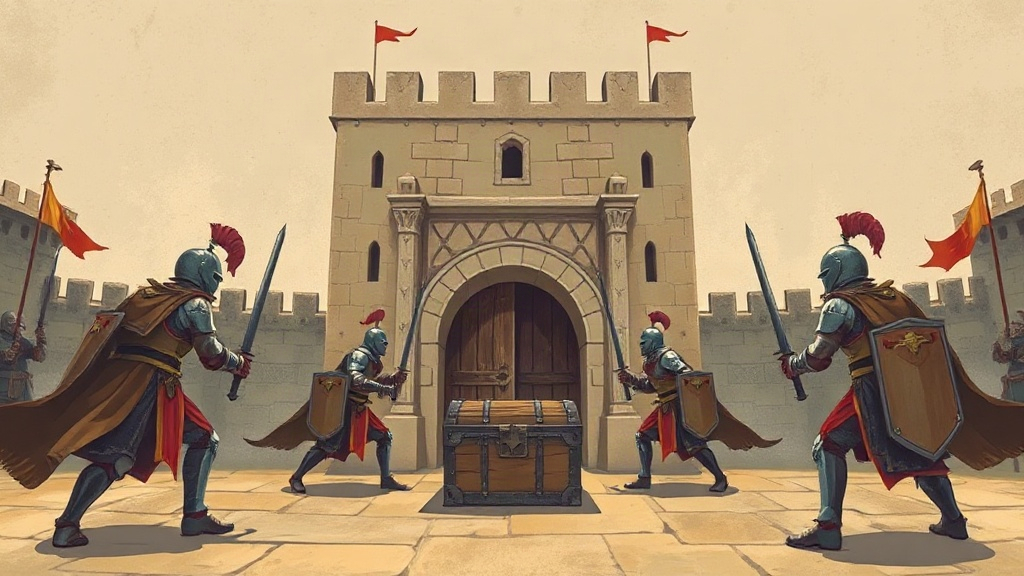
MCRT is the native utility token of MagicCraft. MagicCraft is positioned as a Play-to-Earn (P2E) multiplayer online battle arena (MOBA) game project where players can form clans, contend for castle control, and use MCRT for in-game transactions, NFT purchases, and reward distribution. The project launched in 2021, with its initial ICO starting in November 2021.
From a mechanism perspective, MCRT's value does not come from independent network payments but from the game's economy: the sustained use, trading, and consumption of characters, weapons, spells, armor, and NFT items by players determine the token's demand.
Current Market Data: Small Market Cap, Significant Volatility
As of October 16, 2026, public market data shows MCRT's price is around $0.0000876, with a circulating supply of approximately 5.038 billion tokens, corresponding to a market capitalization of about $440,000; the total supply is approximately 7.2 billion tokens, and the maximum supply is 10 billion tokens. There are discrepancies in reporting across different market platforms, with 24-hour trading volumes ranging from approximately $14,000 to $100,000, indicating limited overall liquidity. Before trading, you can verify the latest price, trading volume, and project information on Svmuu.
In terms of historical data, MCRT reached an all-time high of approximately $0.08385 on December 28, 2021; an all-time low of approximately $0.00005857 was recorded on August 10, 2026. Recent public market data shows that the price has fallen by approximately 31% over the past 7 days and about 72% over the past year. These figures indicate that it remains a highly volatile, small-cap asset, with prices easily influenced by small buy and sell orders.
What Drives MCRT's Value?
- Game Activity: Sustained player numbers, battle frequency, and retention rates, rather than solely relying on short-term rewards.
- NFT and Item Demand: Whether weapons, armor, spells, and other items have real use cases and trading depth.
- Token Consumption Mechanisms: Whether castle taxes, transaction fees, equipment upgrades, or burning can reduce selling pressure in circulation.
- Economic Model Transparency: Whether team, advisors, unlocking, and distribution are public, and whether supply cap and actual circulation are traceable.
MagicCraft's narrative is to connect traditional gamers with the crypto community, but the long-term value of such GameFi projects usually depends on "how fun the gameplay is" and "whether the economic model can be self-sustaining." If rewards primarily come from new players or new capital inflows, the token price is prone to correction as the hype fades.
Long-Term Investment Risks to Consider
MCRT currently has a small market capitalization, and factors such as bid-ask spread, trading depth, and platform support can significantly impact entry and exit costs. The GameFi sector itself is highly cyclical; project teams need to continuously update content, balance rewards with token inflation, otherwise, players and traders may be lost simultaneously.
Third-party models show significant divergence in MCRT price predictions, and most are based on historical trend extrapolation, which should not be used as investment advice. Evaluating whether MCRT is suitable for long-term allocation should return to verifiable facts: on-chain supply, token distribution, game operations, community governance, security audits, and liquidity changes.

How to Determine if MCRT Still Has Long-Term Value
MCRT may only have a use case beyond short-term speculation if MagicCraft can continuously attract players and establish stable NFT trading and item consumption; conversely, if game popularity declines, token unlocks increase, and trading depth is insufficient, price volatility will amplify holding risks.
For global readers, it is also important to confirm whether GameFi, NFT transactions, and crypto asset tax treatment comply with regulations in their respective jurisdictions. The long-term value of any token cannot be judged solely by narrative; gameplay data, economic models, and market liquidity need to be verified together.









